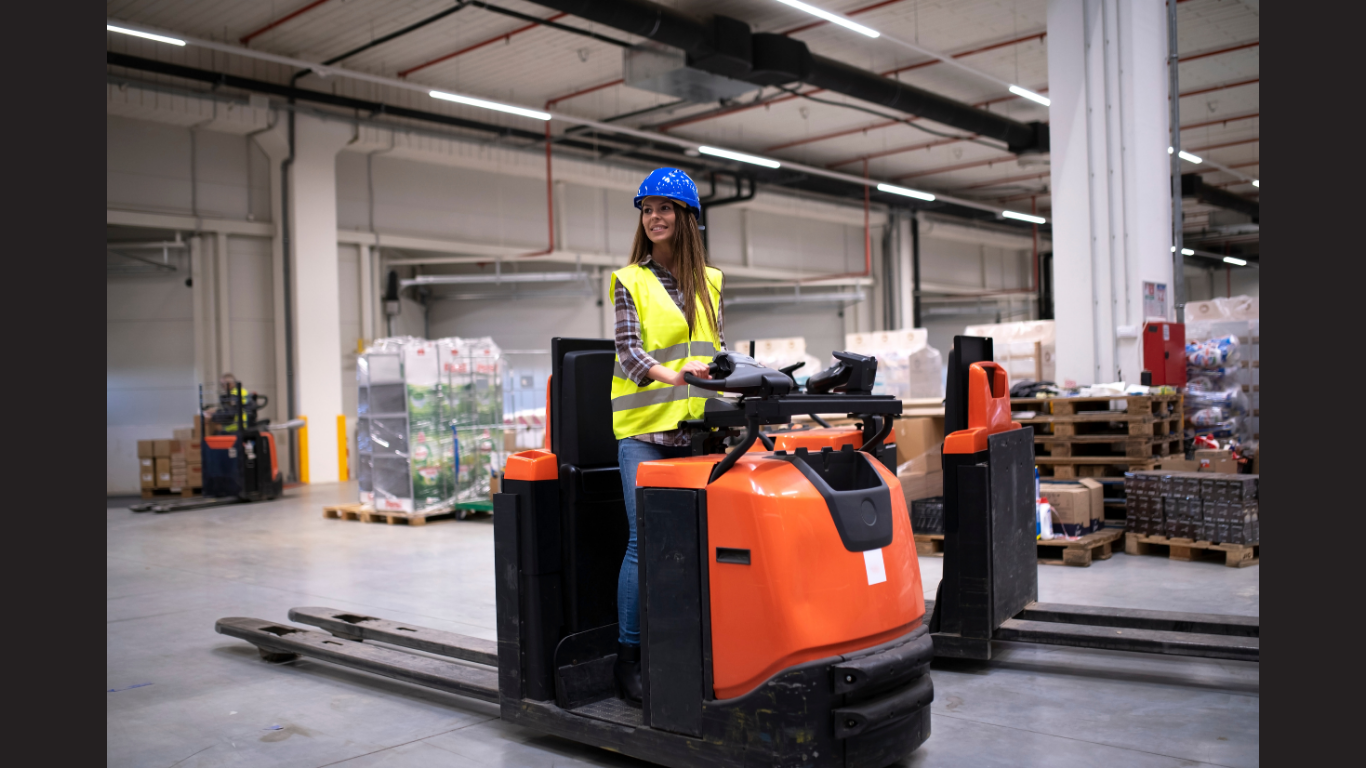
Construction sites, warehouses, and industrial yards all rely on heavy equipment to keep materials moving. Among the most practical machines for stacking goods, shifting pallets, and transporting bulky loads is the forklift. Buying one outright, though, rarely makes sense for short-term projects or tight budgets. Renting gives teams access to reliable, well-serviced machinery without the long-term financial commitment. These eight tips help project managers and business owners find the right rental arrangement while keeping costs and downtime to a minimum.
1. Assess the Job Requirements First
Start by mapping out what the project actually demands. Think about the heaviest load that needs moving, how high materials must be stacked, and what the ground surface looks like. Smooth warehouse floors suit electric units, while unpaved outdoor lots call for rough-terrain machines. Getting specific about these details early prevents overspending on features the crew will never use.
2. Compare Rental Terms and Pricing
Costs shift depending on contract length, equipment class, and local supply. A daily rental fits a weekend job, while a monthly agreement brings the per-day rate down for longer operations. Businesses managing seasonal inventory surges or warehouse expansions in the Midwest can rent a forklift in Kansas City, Missouri, through providers offering adaptable contract options. Collecting quotes from at least three suppliers before committing helps establish a realistic price range and uncovers hidden fees.
3. Choose the Right Forklift Type
Not every forklift does the same job. Counterbalance models handle standard warehouse tasks reliably. Reach trucks maneuver through tight aisles where space is limited. Telehandlers extend their booms high above ground level for elevated outdoor placement. Picking the wrong category slows everything down and increases the chance of on-site incidents. A clear match between machine and task keeps the project safe and productive.
4. Verify Maintenance and Inspection Records
Every rental unit should show up ready to perform. Request the supplier’s most recent service logs and safety inspection documentation. During the walk-around, examine tire wear, hydraulic lines, brake function, and fork condition. A provider that keeps thorough maintenance records is one that takes equipment reliability seriously. Skipping this step can lead to mid-project breakdowns, unplanned costs, and safety concerns no one needs.
5. Confirm Operator Certification
Occupational safety regulations mandate that anyone operating a forklift must hold proper certification. Well before the rental window opens, verify that each team member assigned to the machine carries valid credentials. Certain rental companies bundle brief training sessions or refresher courses into their packages. Addressing certification upfront eliminates compliance headaches and, more importantly, keeps people out of harm’s way.
6. Understand Insurance and Liability Coverage
Collisions, theft, and storm damage are all possibilities during a rental period. Go through the supplier’s insurance policy line by line. Find out whether it covers equipment damage, third-party liability, and losses tied to severe weather. Where the standard coverage falls short, a supplemental policy from an independent insurer can fill the gap. Sorting out liability terms in advance protects both parties from unwelcome financial surprises.
6.1 Ask About Damage Waivers
Several providers offer optional damage waivers that limit out-of-pocket exposure if the unit gets damaged. These typically add a modest daily charge but could save thousands in repair expenses. Compare that small recurring cost against the project’s overall risk level before opting out.
7. Plan for Delivery and Pickup Logistics
Transporting a forklift requires a flatbed truck or trailer. Schedule delivery so the machine arrives at least a day before work begins. Confirm whether hauling costs are included or billed separately. A late delivery can idle an entire crew, so adding a buffer day helps avoid schedule disruptions caused by minor shipping delays.
8. Negotiate Value-Added Services
Base rates are rarely final. Ask about bundled fuel packages, technical support, or a standby replacement if the primary machine fails. Suppliers seeking longer contracts often discount add-ons like specialty attachments, safety cages, or load scales. Spending a few extra minutes negotiating can reduce the total rental cost.
Conclusion
Securing the right forklift rental requires more effort than browsing a catalog and signing the first contract. Evaluating job demands, comparing supplier terms, and inspecting equipment help keep the project on budget. Pairing this with verified operator credentials and proper insurance reduces risk. Following these steps leads to dependable equipment, controlled spending, and a job site that runs efficiently.
Article received via email