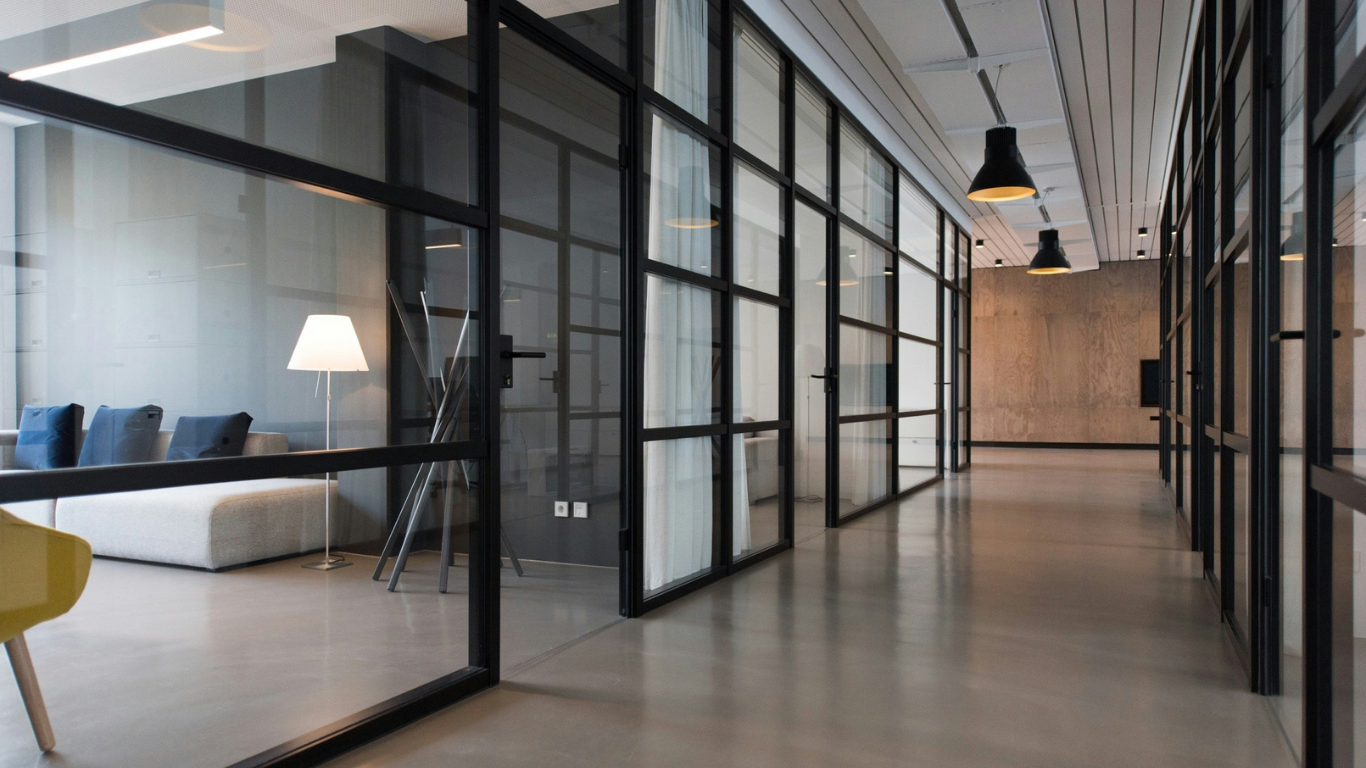
A clean office shapes how clients see your business and how your team feels about work. Fresh air, clear desks, and dust free surfaces support focus in a way that clutter never can. People move more confidently through hallways, touch shared equipment without hesitation, and feel more pride in the space they use every day.
You do not need a complete remodel to lift standards. Small, consistent habits create that polished feel far better than sporadic deep scrubs. With a clear plan, the right tools, and smart support, your office can look guest ready from the first arrival to the last meeting of the day.
Set Clear Standards for Every Workspace
Clean offices never happen by accident. Leaders define what “clean” means for each type of area and share those expectations with everyone. A reception desk needs a different level of polish than a storage room, and meeting rooms need to stay ready for visitors at short notice.
Start by walking through the space with fresh eyes. Notice fingerprints on glass doors, dust on monitor stands, and cables on the floor. Decide how often each zone needs attention. Desks might require daily resets, while storage closets might need weekly checks. Put those standards into simple checklists and share them with team members so everyone understands their role.
Tie standards to company culture. When managers keep their own offices neat, staff members take the message seriously.
Design a Practical Cleaning Schedule
A cleaning plan works best when it blends professional help with staff habits. Many companies partner with professional cleaning services for deep cleaning tasks while team members maintain daily order between visits. This mix keeps standards high without placing every responsibility on employees who already carry full workloads.
Map your schedule around natural rhythms. Quick resets at the end of each day also prevent messes from piling up. Weekly slots suit larger tasks such as wiping baseboards, cleaning inside microwaves, or dusting vents. Monthly or quarterly blocks work well for carpet cleaning, upholstery care, and window washing.
Tackle Clutter Before Dirt
Dust and crumbs matter, but clutter usually causes the biggest visual impact. Piles of paper, unused promotional items, and old equipment make any office look neglected. Dirt settles into these piles and becomes harder to remove. Clearing surfaces first makes actual cleaning faster and more thorough.
Encourage each department to review its space regularly. File or scan important documents, shred outdated papers, and recycle old brochures. Donate working equipment you no longer need and arrange secure disposal for broken items. Clear policy around digital storage often reduces paper build up as well.

Focus on High Touch and High Visibility Areas
Certain spots gather germs and grime faster than others. Door handles, elevator buttons, shared keyboards, copier panels, and break room surfaces see constant use. Visitors notice these points immediately, and staff health depends on their cleanliness.
Place disinfectant wipes near shared devices and encourage quick wipe-downs after use. Train staff to clean conference tables and chair arms after meetings. In restrooms and kitchens, check soap dispensers, paper towels, and trash levels frequently so the space always feels ready for the next person.
Equip Your Team With the Right Tools
People rarely maintain high standards if basic tools feel hard to access. A single sticky bottle of cleaner in a locked cupboard will not support daily habits. Make supplies visible, simple, and safe.
Stock gentle, surface-appropriate cleaners so staff do not worry about damaging equipment. Microfiber cloths lift dust way better than old rags and leave fewer streaks on screens and glass. Small desktop bins encourage employees to separate trash from recycling without extra effort.
Build a Culture That Protects Cleanliness
The cleanest offices treat tidiness as part of daily behavior, not a special event before big visits. Culture does the heavy lifting here. Short, clear guidelines help, such as leaving desks tidy at the end of the day, wiping spills immediately, and returning shared items to their spots.
Leaders can highlight positive examples during team meetings. Quick shoutouts for departments that keep break rooms neat or for teams that reset meeting rooms after use reinforce the message. Small rewards or friendly competitions sometimes spark enthusiasm, especially during seasonal cleanup drives.
Clients then walk into an environment that reflects professionalism and care. Staff move through their day with fewer distractions and a stronger sense of pride. With steady effort, your office can stay ready for every meeting, every visit, and every new opportunity that starts at your front door.
Article received via email