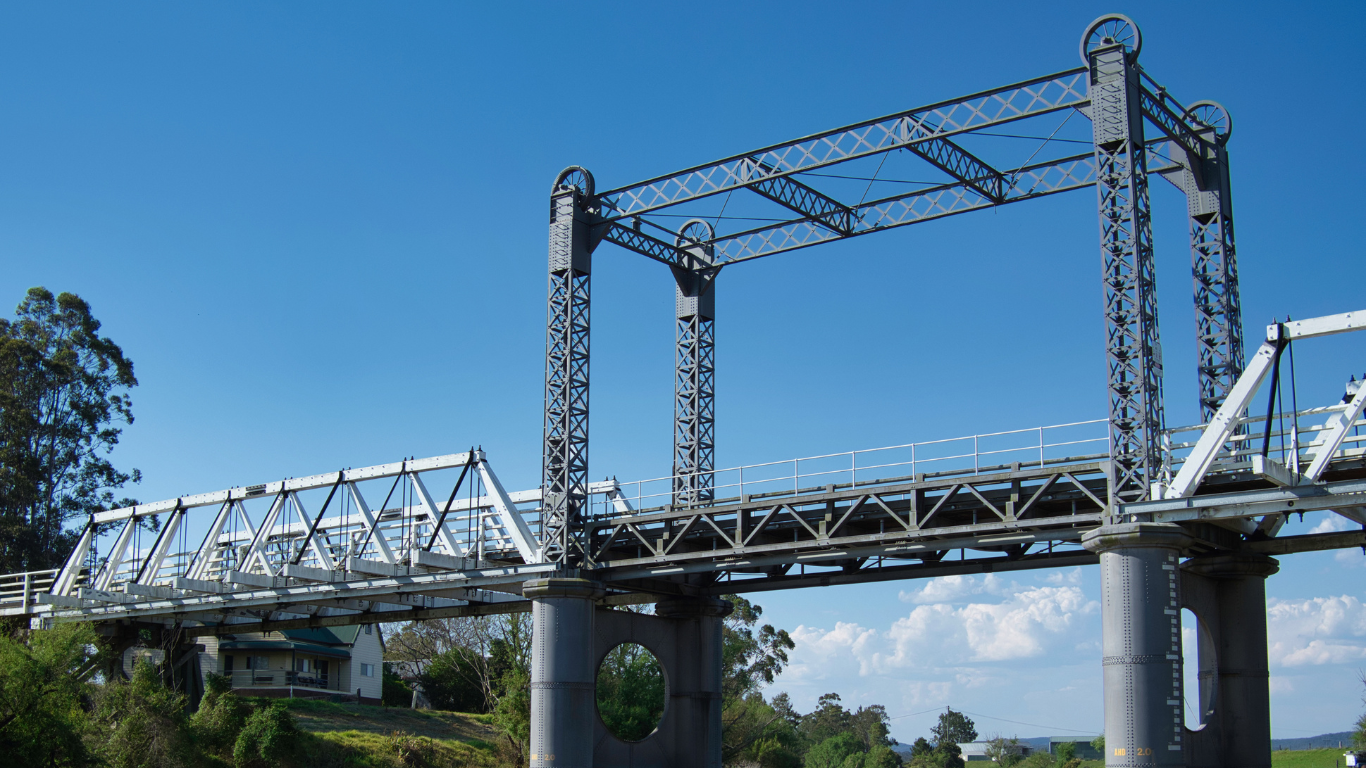
Bridge abutments are external features that help support infrastructure built into and outside the ground. They connect the bridge to the ground, which helps anchor the bridge span. Abutments assist in making the bridge secure and stable throughout its lifespan through their functions.
Why Bridge Abutments Are Used: Definitions
Abutment is a large structure at the end of a bridge. They are mainly intended to support the bridge deck load and transmit the load to the ground. Bridge abutments also act as retaining walls, holding earth behind them to prevent soil from falling.
Key Structural Functions
Besides providing support to the bridge deck, abutments perform other functions as well. They soak in vertical and horizontal forces caused by vehicles, pedestrians, and environmental phenomena. These structures also protect the bridge from movement or settlement that could undermine its integrity.
Types of Bridge Abutments
Different types of abutments fit different site conditions. Abutments that rely on their mass to resist the forces are termed as gravity abutments, while those that employ reinforced concrete, which goes in compression and stiffens under loads, are termed as cantilever abutments. Where site conditions or soil properties limit the use of full cantilever abutments, semi-gravity and spill-through abutments are alternatives.
Materials Used in Construction
The material selection affects the strength and durability of the abutment. Typical materials include reinforced concrete, stone masonry, and, infrequently, steel. Concrete is durable; it can also be molded into many designs, while stone masonry fits into natural landscapes and provides great weight.
Soil Interaction and Stability
Soil also under and behind abutments has a major influence on stability. Soil properties must be analyzed by engineers for compaction, drainage, and to bear loads. Proper soil preparation and selection minimizes the risk of settlement, tilting, or failure under heavy loads.
Protecting Against Erosion
Wet weather can wash out the soil supporting both the approaches and the abutments, forming a hazard to the structure. Ripraps, retaining walls, drainage systems, and other measures are used to control water and reduce soil erosion. Long-term stability, therefore, rests in having erosion control features periodically inspected and maintained.
Expansion Joints and Movement
Bridges change length with temperature, so abutments must allow expansion and contraction. Expansion joints accommodate movement between the deck and abutment, reducing cracking and keeping the structure intact. Without this design, bridges may struggle to hold up over time.
Load Distribution and Safety
They carry the bridge and the traffic loads effectively into the ground. They are well-designed so that no one place takes too much stress. Having an evenly loaded distribution minimizes the possibility of failure and maximizes the safety of the people.
Foundation Considerations
Abutment stability requires good foundations. The types of foundation will be selected by engineers based on the soil and water around the location. In soft soils, abutments are often supported on pile foundations, and where the ground is stable and firm, abutments can be supported on spread footings.
Maintenance and Inspection
This facilitates the detection of symptoms of deterioration and damage at an early stage. They maintain checking for things such as cracks, erosion, and settling. If specific issues are noticed early and repaired quickly, it helps in preventing larger needs from developing, and ultimately helps extend the life of the bridge.
Role in Seismic Zones
Abutments in earthquake-prone areas may need special design considerations. There, they use more rebar and more hinge joints in these structures, which allows them to absorb seismic forces. Such additional strength provides greater protection to the bridge and its users in the event of an earthquake.
Aesthetic and Environmental Impact
Abutments not only affect the stability of the structure but also have an impact on the appearance of a bridge. Careful design integrates the bridge into its environment, exposing minimal disruption to its surroundings while maintaining a sense of balance with nature.
Conclusion
Bridge abutments play an important role in stability and safety. They carry weight, resist movement, and protect against natural forces. With proper design and maintenance, abutments provide reliable support. Bridges remain essential for connecting communities and keeping transport networks moving safely.
Article received via email