For many business owners, a roof is often seen as a basic structural necessity rather than a strategic asset. However, upgrading your roof is increasingly being recognised as a smart business decision, particularly for commercial property owners looking to reduce long-term costs, improve efficiency, and protect the value of their assets.
In today’s competitive business environment, upgrading your roof is no longer just about repairs. Whether you’re completing a restoration or changing the roof from tiles to Colorbond, the end result is about future-proofing your investment.
Roofing as a Business Asset, Not an Expense
A commercial roof plays a critical role in protecting operations, inventory, employees, and customers. Ageing or outdated roofing materials can lead to ongoing maintenance issues, unexpected downtime, and higher operating costs. For businesses operating from older buildings, tiled roofs in particular can become a liability due to cracking, water ingress, and structural stress over time.
Modern roofing solutions offer businesses an opportunity to shift from reactive maintenance to proactive asset management. When business owners choose to replace tiled roofs with Colorbond, they are investing in durability, consistency, and long-term performance rather than short-term fixes.
Improved Durability and Reduced Risk
One of the key benefits of upgrading a business roof is risk reduction. Roofing failures can disrupt operations, damage equipment, and create safety concerns that impact productivity and compliance. Colorbond steel roofing is engineered to withstand harsh weather conditions, including heavy rain, high winds, and extreme heat, factors that frequently affect commercial properties.
Unlike traditional tiles, which can crack, slip, or deteriorate unevenly, steel roofing offers consistent performance across large roof areas. This reduces the likelihood of leaks and minimises the risk of unplanned repairs, helping businesses maintain continuity and avoid costly interruptions.
Lower Long-Term Maintenance Costs
While some businesses hesitate to upgrade due to upfront costs, a modern roofing system often delivers significant savings over time. Tiled roofs typically require ongoing inspections, replacements, and patch repairs, all of which add to maintenance budgets year after year.
By contrast, steel roofing systems are designed for longevity and low maintenance. Business owners who replace tiled roofs with Colorbond often experience fewer repair call-outs and lower ongoing maintenance requirements, allowing funds to be redirected toward growth-focused initiatives rather than building upkeep.
Energy Efficiency and Operational Savings
Energy efficiency is another important consideration for commercial properties. Older tiled roofs can contribute to heat absorption and poor thermal performance, increasing reliance on air conditioning and driving up energy costs.
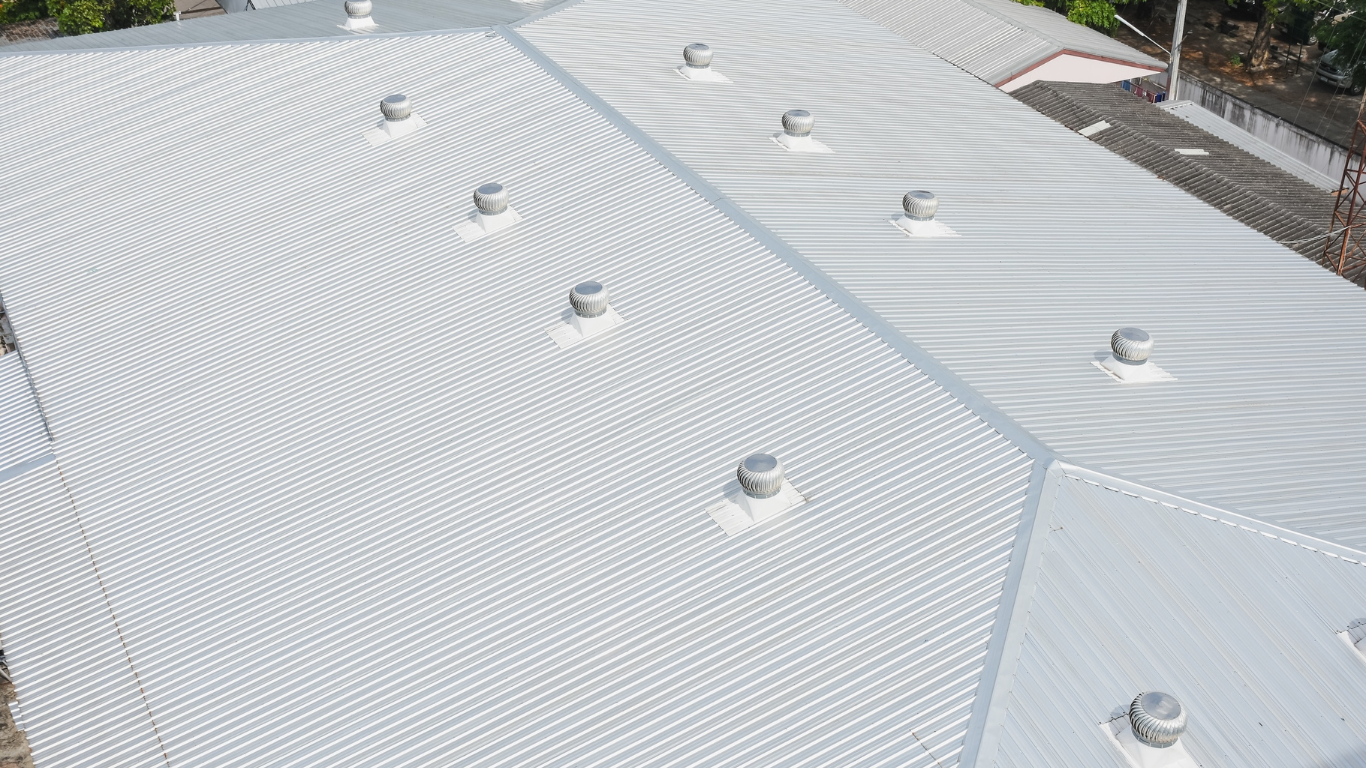
Modern Colorbond roofing is available with advanced coatings that reflect solar heat, helping regulate internal temperatures. For businesses operating warehouses, offices, or retail spaces, this improved thermal efficiency can result in noticeable reductions in energy consumption and operating expenses, particularly in warmer climates.
Enhancing Property Value and Market Appeal
From an investment perspective, a roof upgrade can directly influence property value. Commercial buildings with modern, well-maintained roofing systems are more attractive to tenants, buyers, and investors. A new roof signals reduced risk, lower maintenance requirements, and improved building performance, all key considerations in commercial property valuation.
For business owners planning to lease, sell, or refinance their property, a roof upgrade can strengthen their position in the market. A durable steel roof also enhances the building’s external appearance, contributing to a more professional and contemporary image.
Cost Considerations and Return on Investment
A common question among business owners is how much does it cost to change a tile roof to Colorbond. While costs vary depending on building size, roof complexity, and location, the decision should be assessed in terms of return on investment rather than upfront pricing alone.
When evaluating the cost, it is important to consider reduced maintenance expenses, lower energy bills, improved asset value, and decreased risk of operational disruption. Over the lifespan of the roof, these benefits often outweigh the initial investment, making the upgrade a financially sound decision for many businesses.
A Forward-Thinking Roofing Strategy
In a business environment where efficiency, resilience, and sustainability are increasingly important, infrastructure decisions matter. Upgrading a commercial roof is no longer just about compliance or repairs. It is about aligning physical assets with long-term business objectives.
Whether driven by cost control, risk management, or asset growth, investing in a modern roofing system can deliver tangible benefits across operations, finances, and property performance. For business owners seeking smarter ways to protect and enhance their assets, a strategic roof upgrade is an investment that delivers long-term value.
Article received via email