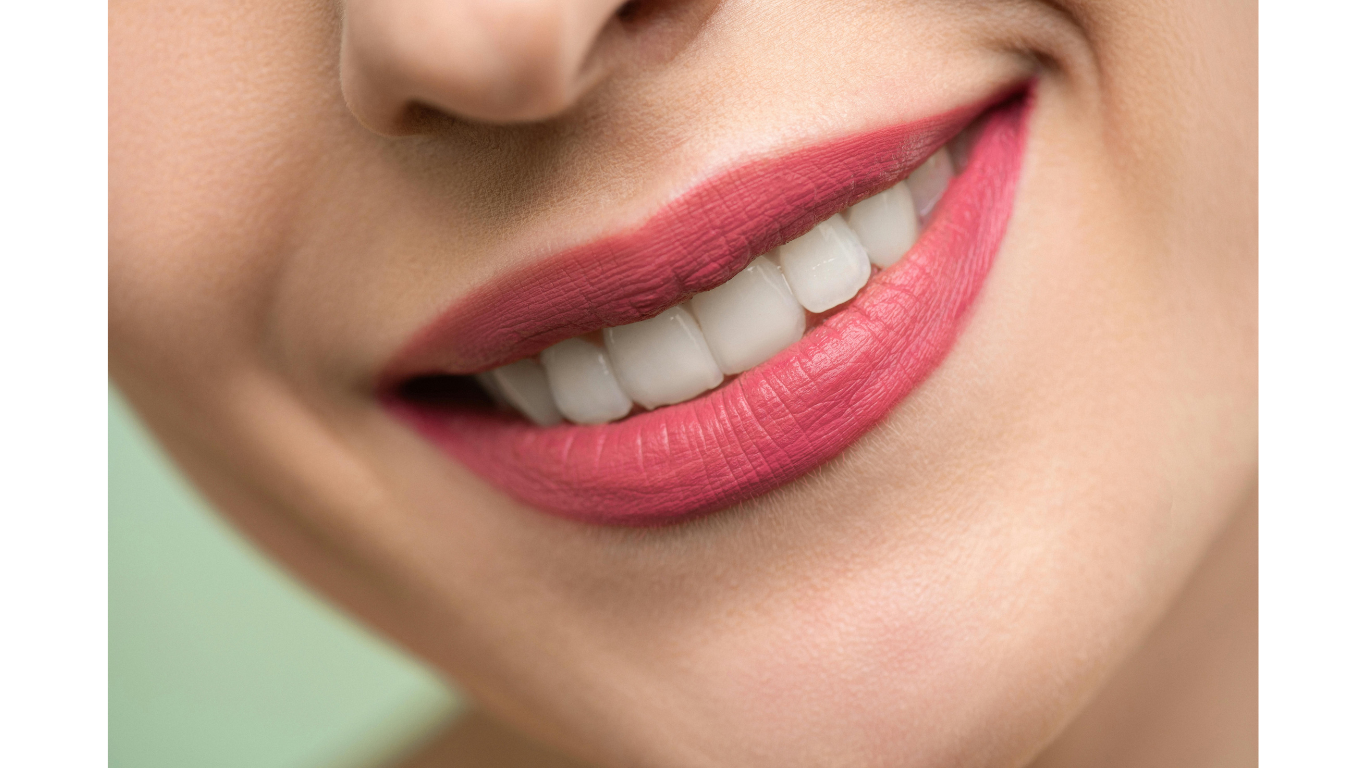
A healthy mouth takes more than just brushing and flossing. Oral health influences wellness, including digestion and heart function. Consistent care, a balanced diet, and preventive practices protect teeth, gums, and enamel while lowering the risk of decay and other dental issues.
A reliable oral care routine improves confidence and daily comfort. Using products that are effective and considering ingredients that strengthen enamel provides additional protection, supporting long-term dental health beyond basic hygiene practices.
Understanding Oral Hygiene Basics
Oral hygiene starts with a consistent routine of brushing and flossing. Brushing twice daily helps remove food particles and plaque buildup that can lead to decay. Using proper technique is important: short, gentle strokes along the gum line are more effective than harsh scrubbing.
Flossing gets to the spots your toothbrush misses. Regular flossing reduces the risk of gum inflammation and cavities between teeth. Even if it feels tedious at first, it becomes easier and more effective.
Mouthwash and rinses provide extra protection. They help wash away leftover debris, reduce bacteria, and leave a refreshing feeling. Selecting an alcohol-free rinse with fluoride or other protective agents ensures long-term oral health benefits.
Choosing the Right Toothpaste
Selecting toothpaste is more than picking your favorite flavor. Fluoride remains a widely recognized ingredient that strengthens enamel and prevents decay. Many options now include additional minerals that support remineralization.
Hydroxyapatite, an ingredient gaining popularity, mimics the natural mineral composition of teeth. Understanding what to know about HAp allows you to consider alternatives to traditional fluoride-based toothpaste. Using products with this ingredient can help restore enamel and reduce sensitivity.
Specialty toothpastes address specific concerns. Options for whitening, gum health, or sensitivity can be chosen based on individual needs. Consulting a dental professional ensures the best choice for your oral care routine.
Diet and Oral Health
What you eat directly impacts your teeth and gums. Sugary and acidic foods speed up enamel erosion and lead to cavities. Maintaining a balanced diet rich in vitamins and minerals strengthens your mouth naturally.
Calcium and phosphate are key minerals for healthy teeth. Dairy products, leafy greens, and fortified foods support enamel resilience. Drinking plenty of water helps wash away sugar and acid, maintaining a neutral pH in the mouth.
Snacking habits affect oral health. Frequent snacking on sugary items increases the risk of decay. Planning meals and choosing tooth-friendly snacks can prevent unnecessary damage and support a cleaner oral environment.
Regular Dental Checkups
Routine dental visits are critical for preventing and detecting issues early. Dentists can spot cavities, gum disease, and other issues before they get out of hand. Regular checkups include professional cleaning to remove tartar buildup that brushing alone cannot handle.
X-rays and examinations provide insights into areas hidden from view. Early detection of problems like cavities, infections, or misalignment improves treatment outcomes. Preventive measures are more cost-effective than reactive care.
Dental professionals offer personalized advice. They can recommend the best tools, techniques, and products for your specific needs. Incorporating these recommendations strengthens your daily oral hygiene efforts.

Protecting Your Enamel
Enamel is the outer layer of teeth and acts as a protective shield. Once enamel’s damaged, it won’t regenerate, so prevention is key. Brushing gently and avoiding acidic beverages protects this critical layer.
Hydroxyapatite toothpaste can help strengthen enamel. Using enamel-supporting products consistently improves resistance to decay and sensitivity.
Lifestyle choices affect enamel. Avoiding excessive grinding, limiting acidic foods, and wearing mouthguards during sports contribute to long-term protection. Simple steps can make a noticeable difference in durability.
Oral Health and Wellness
Oral health directly affects one’s well-being. Poor dental hygiene increases the risk of infections and chronic conditions, such as heart disease and diabetes. Maintaining a healthy mouth supports systemic health.
Gum disease is an early warning sign for other health issues. Swollen, bleeding, or tender gums indicate inflammation that may impact the body beyond the mouth. Prompt attention helps prevent complications.
Stress, sleep, and hydration influence oral health. Ensuring adequate rest, managing stress, and drinking water regularly all support a balanced oral environment. Caring for your mouth contributes to physical and mental wellness.
A healthy mouth requires a combination of proper hygiene, diet, regular dental visits, and informed product choices. Paying attention to habits and using tools can prevent common problems and support wellness. Ingredients like hydroxyapatite offer additional protection and can enhance traditional routines.
Taking a proactive approach ensures lasting oral health. Informing yourself about preventive care, monitoring changes, and making informed decisions allows you to maintain a strong, comfortable, and confident smile for years to come.
Article received via email