A lush lawn does not happen by accident. It grows from small, consistent choices that support soil life, turf density, and resilience. With a simple plan and a few smart habits, you can keep grass healthy through heat, rain, and foot traffic.
Mowing Habits That Build Strong Turf
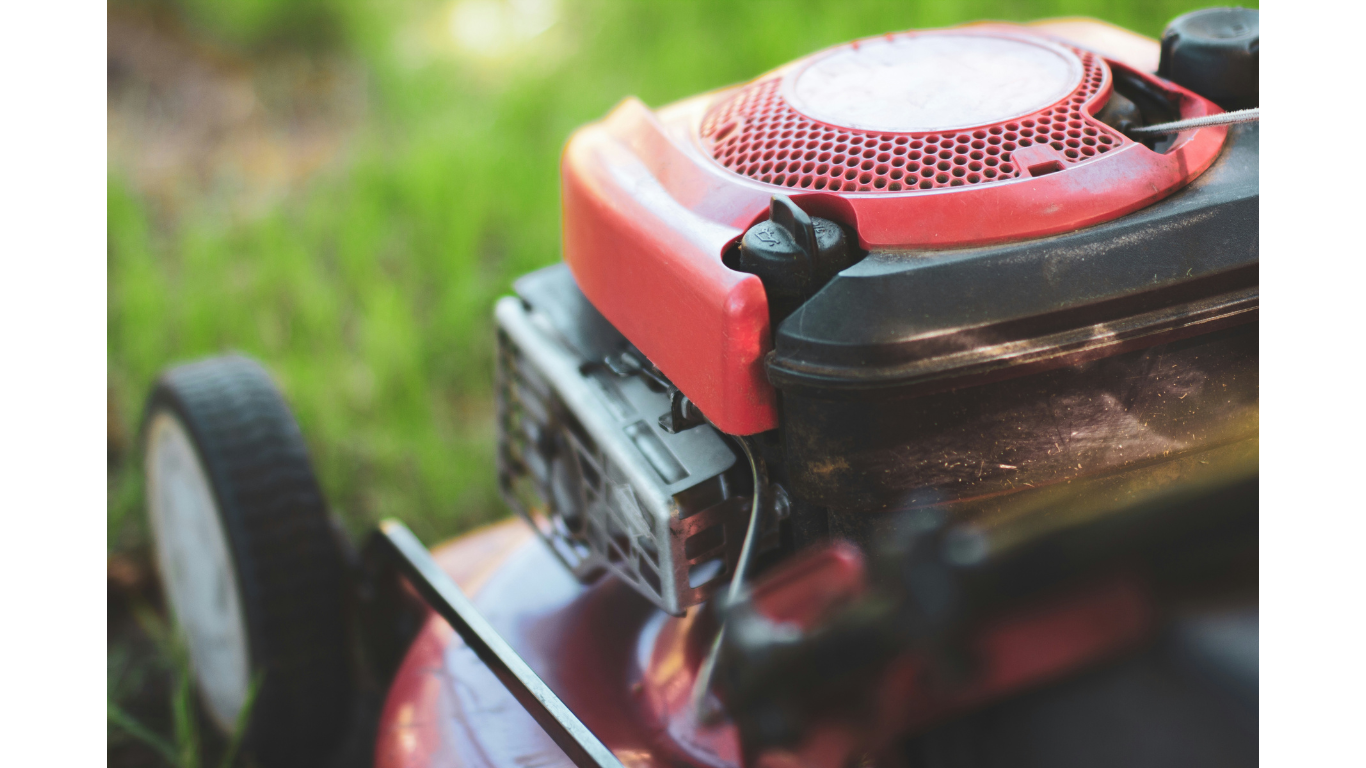
Regular mowing guides grass to grow thicker instead of taller. Keep blades sharp and set your mower high so the canopy shades the soil and protects roots from heat stress. Aim for steady trims rather than big cuts that shock the plant.
Taller grass helps outcompete weeds and holds water better. Educators with the University of Minnesota Extension note that maintaining a height of 3 inches or more supports a healthier lawn structure and stronger root systems.
This small setting change pays off with fewer bare spots and a steadier green color. Consistent mowing helps encourage even growth across the lawn, reducing patchy areas. Avoid mowing when the grass is wet, as this can lead to uneven cuts and increased disease risk.
Feed Your Lawn The Smart Way
Not all lawn nutrition has to come from a bag. Many yards miss free nitrogen when they remove clippings – those tiny pieces are a built-in fertilizer.
A balanced approach looks at what the lawn already provides before adding more. During weekly care, you might tidy storm debris or trim low branches that cast too much shade – this is a good time to think about tool choices like Worx electric chainsaws that handle quick cuts without the fuss of gas. Then return to the mower and let the clippings fall.
Specialists with the University of Maryland Extension explain that leaving clippings returns valuable nutrients to the soil and can supply a notable share of the lawn’s nitrogen for the season. The result is greener growth with less synthetic input.
Watering With Purpose
Watering is about timing and depth. Early morning is best since the winds are calmer and evaporation is lower. This helps water sink to the roots rather than disappearing into the air.
Focus on fewer, deeper sessions instead of frequent sprinkles. Deep watering trains roots to chase water downward, which makes turf more drought-tolerant. Watch for footprints that linger and blades that lose their spring – these cues tell you it is time to irrigate.
Soil Health Starts At The Surface
Leaves do not have to leave. When autumn arrives, mow them into small pieces and let them sift into the canopy. The fragments break down, add organic matter, and keep microbial life active.
Turf researchers at Virginia Tech have highlighted that mulching leaves directly into turf can improve soil health while maintaining turf quality. It is a practical win – less bagging, more nourishment. Over time, this habit helps loosen tight soil and builds a softer, richer root zone.
Aeration And Traffic Management
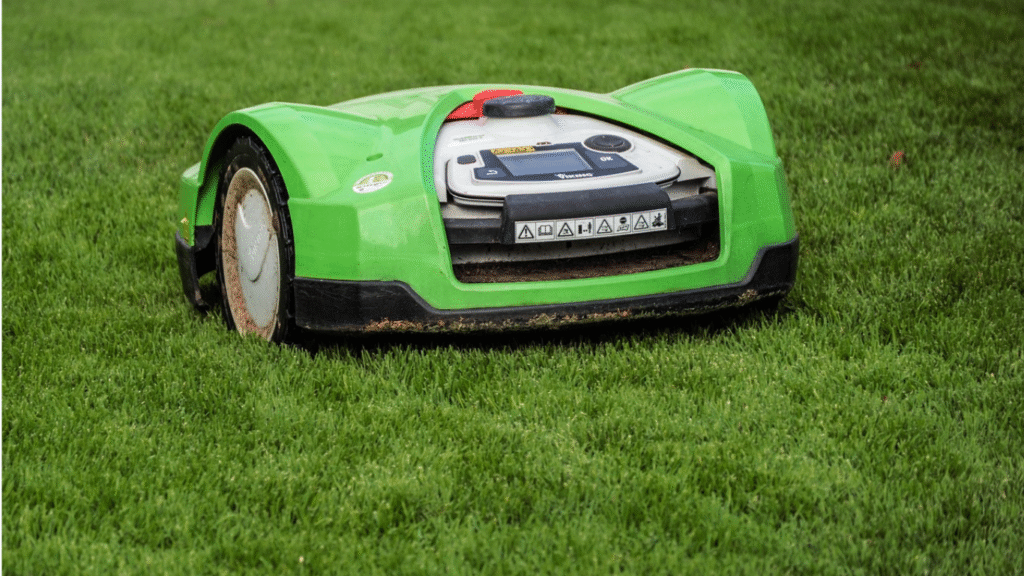
Compaction is a silent lawn killer. Heavy footfalls, pets racing along the same path, and mower wheels can press soil so tightly that roots struggle to expand. You can counter this by rotating play areas, shifting lawn furniture, and varying your mowing pattern.
If your soil feels hard and water pools after rain, schedule core aeration during active growth. Removing small plugs opens channels for air, water, and nutrients. Follow with mowing and a light topdressing of compost to settle organic matter into the holes and support new root growth.
- Rotate mowing patterns to prevent ruts
- Use boards or stepping stones in high-traffic zones
- Overseed thin spots after aeration
- Topdress lightly to feed soil life
Simple Seasonal Checkups
Thoughtful maintenance means quick seasonal checkups. In spring, walk the lawn to spot any winter damage, rake matted grass patches, and sharpen mower blades. Address drainage if you see puddles after storms.
Summer is for watching stress signals. Raise the mower during heat waves, water deeply when needed, and tidy tree limbs to balance sun and shade. In fall, mulch leaves, patch bare areas with seed, and consider aeration if the lawn feels tight underfoot.
Smarter Inputs, Easier Care
The healthiest lawns come from working with nature. High mowing, smart nutrition from clippings, and surface mulching build a living soil cushion under every step. When the root zone is strong, grass recovers faster from heat, kids, and pets.
You do not need complicated routines to keep a lawn thriving. Small choices, repeated over the seasons, create durable turf that looks good and feels good underfoot. Keep it simple, notice what the grass is telling you, and let steady habits do the heavy lifting.