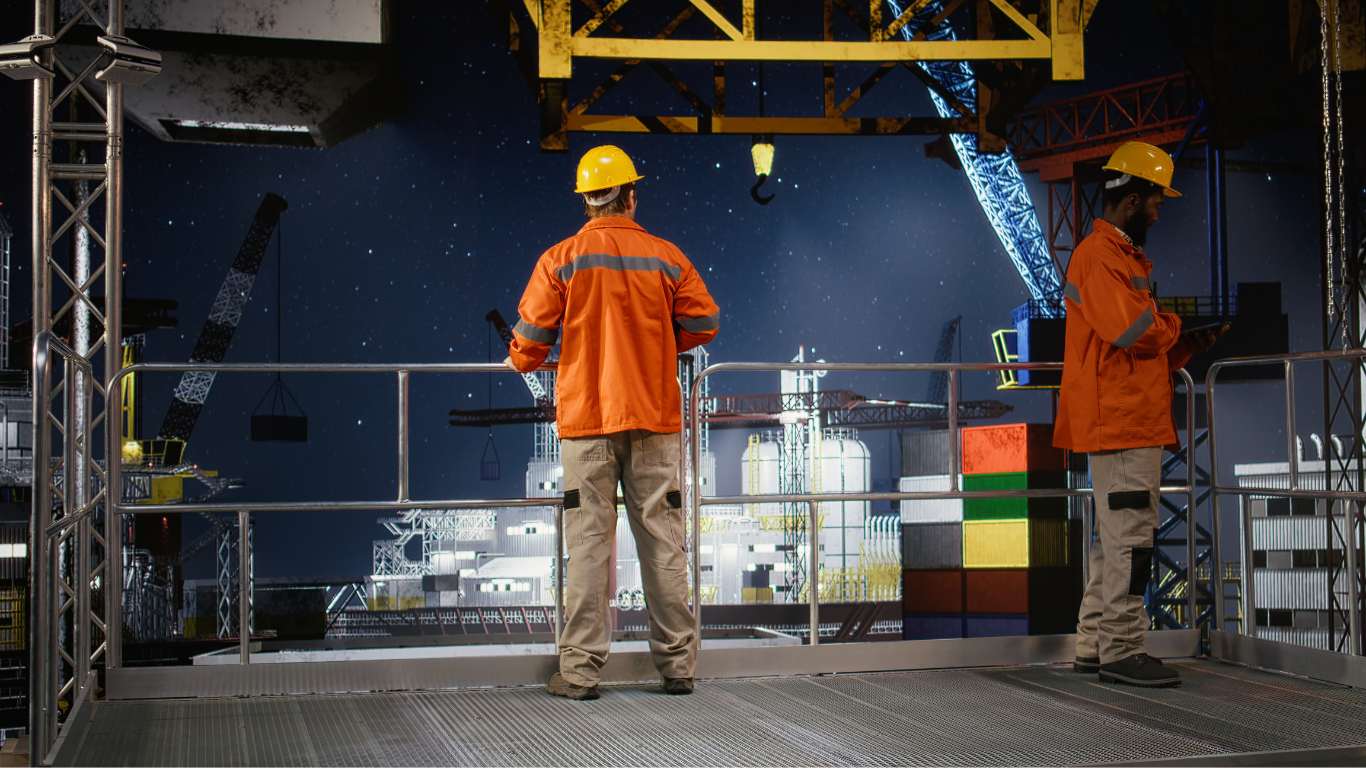
Steel erection is a precision operation, even if it doesn’t always look that way from the ground. Beams swing through tight airspace, crews work within inches of alignment tolerances, and cranes operate near capacity. When load control breaks down, the consequences extend far beyond a shaky lift. Delays stack up, materials get damaged, and safety margins shrink fast. Many of these issues trace back to overlooked fundamentals in rigging and lift planning, especially the absence of reliable hardware solutions for secure load handling that keep loads stable from pick to set.
Why Load Control Is the Real Risk Multiplier
While risk is managed in every steel erection project, load control dictates how quickly minor concerns escalate into serious ones. Crews are forced to stop, reset, and occasionally cancel the lift completely when a beam abruptly turns or drifts off line. Every disruption reduces schedule certainty and wastes time.
Additionally, inadequate load control exacerbates degradation of rigging hardware, components, and connection points. Hardware absorbs forces it was never designed to withstand when loads surge. This eventually results in early failures that cause additional delays and safety issues.
How Poor Load Control Shows Up on Site
Problems with load control rarely make a big splash. They typically manifest as small annoyances, such as sluggish placement, frequent tag line modifications, or trouble aligning bolt holes. Crews adjust on the go, but doing so increases exposure and takes time.
Over the course of erection, these minor inefficiencies add up. What ought to be a seamless lift sequence turns into a stop-and-start process. Instead of setting steel, operators struggle with load movement while the crane sits inert.
The Cost of Repositioning and Re-Lifts
The clock continues to run each time a load needs to be moved. Crane capacity, crew energy, and attention are all consumed during re-lifts. Additionally, they raise the possibility of coming into touch with adjoining structures, temporary bracing, or adjacent steel.
Although damage from uncontrolled movement is expensive, it is frequently not catastrophic. It is necessary to replace or repair bent plates, gouged coatings, and misaligned members. Individually, these improvements might not seem like much, but when multiplied across dozens of lifts, they quickly add up.
Safety Margins Shrink When Loads Aren’t Stable
Unpredictable situations for ironworkers are caused by uncontrolled loads. Workers adjust by moving closer to the load when a beam doesn’t function as intended, which raises the possibility of pinch spot and struck-by situations.
Although tag lines can be useful, they cannot replace appropriate rigging-level load management. Hardware that permits sliding, rotation, or unequal load distribution compromises the safety of even the most seasoned crew.
The Role of Rigging Hardware in Load Stability
The proper hardware is the first step towards secure load handling. Connection points, swivels, hooks, and shakers all affect how a load acts in the air. Loads move erratically when these parts are worn out or mismatched.
Properly engineered hardware solutions for safe load handling preserve alignment during the lift, minimize unwanted rotation, and distribute forces uniformly. Instead of wrestling loads into submission, crews may now guide them into position because of this steadiness.
Planning for Control, Not Just Capacity
Good planning takes into account not only whether the load can be lifted but also how it will travel. Here, hardware selection is crucial because it enables subtle adjustments that maintain a balanced and predictable load from the ground to the final installation.
How Poor Load Control Disrupts Project Schedules
On paper, load control problems rarely result in schedule delays. Crane reservations and lift plans continue to appear feasible. One slow set at a time, the delays occur gradually.
The project is behind schedule by the end of the week, and there isn’t a single incident to blame. Since this kind of delay is ingrained in day-to-day operations, it is challenging to recover from. Addressing the underlying cause prior to the onset of an erection is necessary to prevent it.
Final Thoughts
Steel erection risk management depends on more than crane capacity and crew experience. Load control is the factor that determines whether lifts progress smoothly or spiral into delays, damage, and safety incidents. Poor control magnifies risk at every stage of erection, while stable, predictable loads keep operations moving efficiently. By planning for movement, selecting appropriate rigging configurations, and investing in hardware solutions for secure load handling, project teams can reduce downtime, protect workers, and deliver steel on schedule.
Article received via email