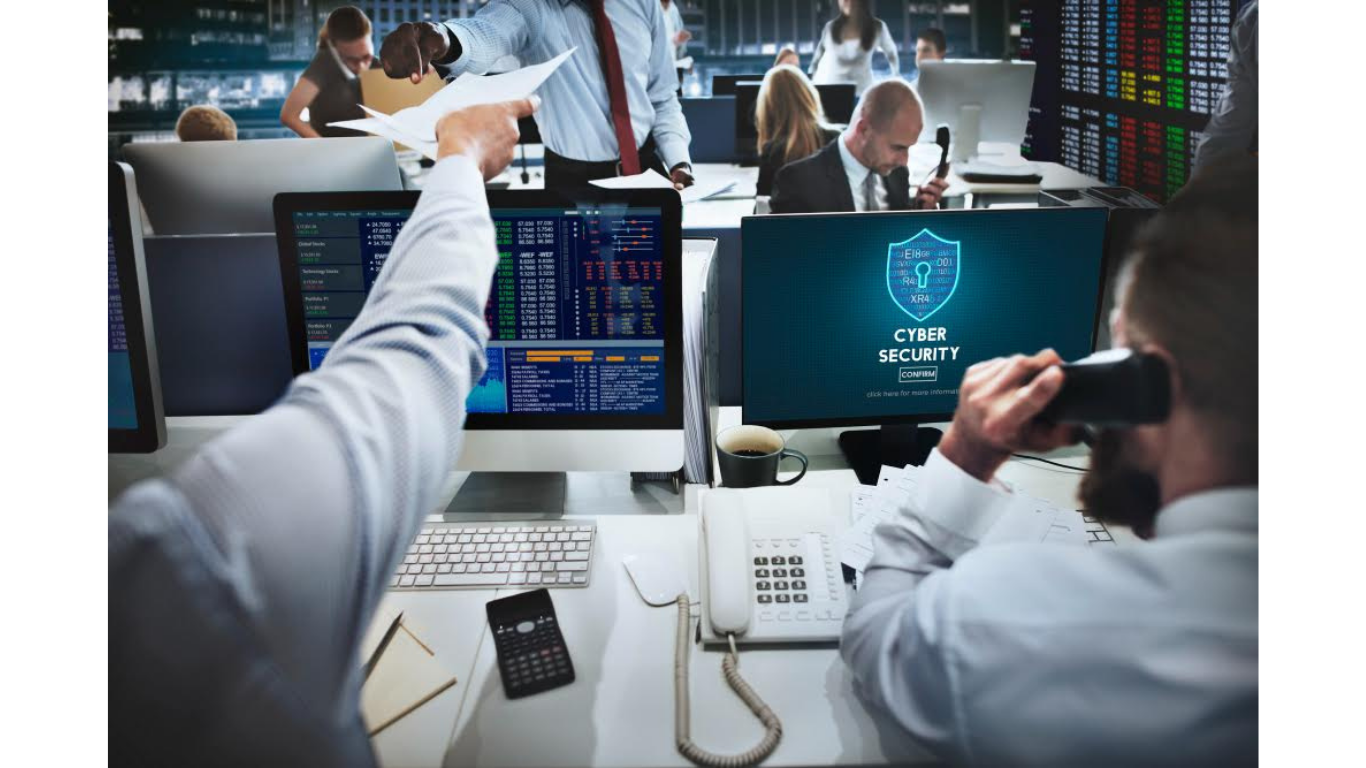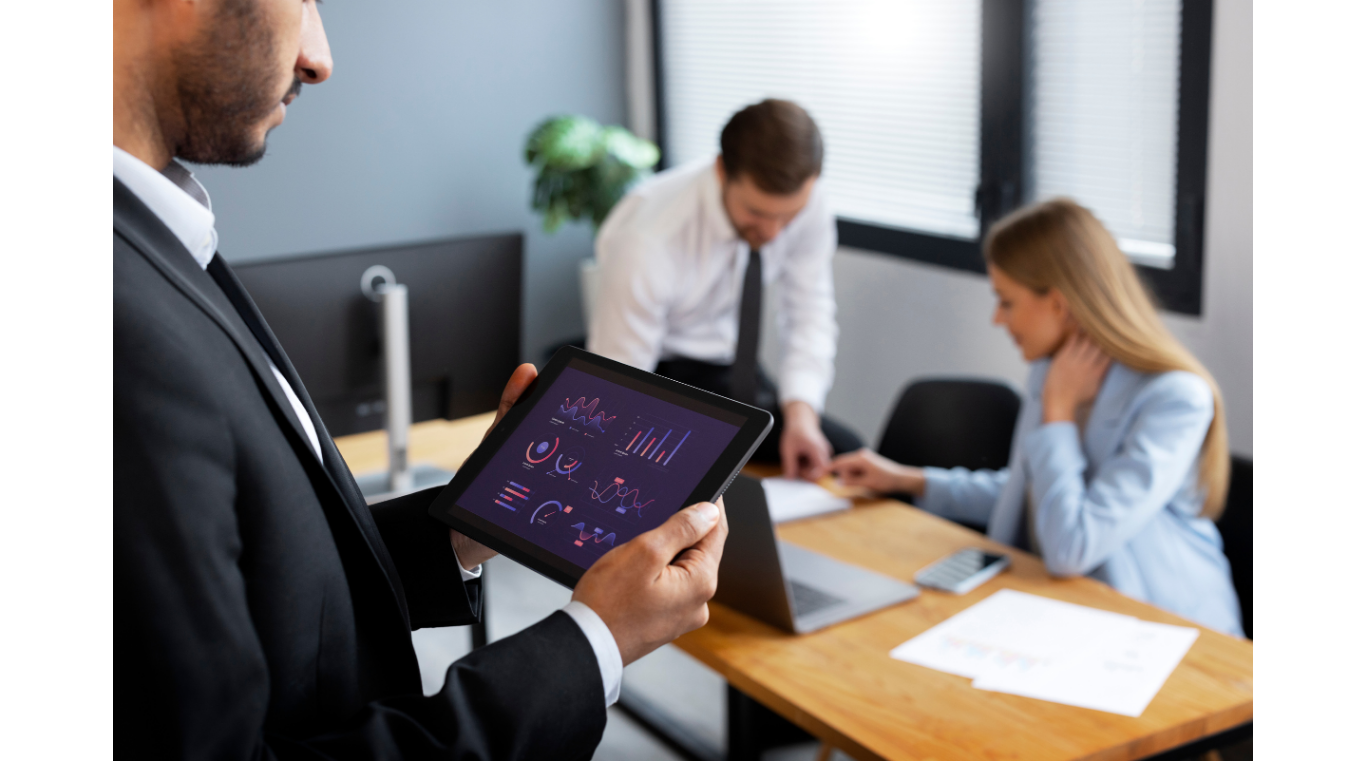
Employee monitoring did not become popular by accident. Remote work and global operations pushed leaders to search for visibility. AI-enabled monitoring tools promised clarity. They could track productivity and flag risks faster than any manager ever could. It sounds perfect on paper. Algorithms do not get distracted. They process massive amounts of data in real time. They help leaders make decisions based on evidence rather than gut feeling. AI monitoring feels like the missing piece in modern workforce management. But efficiency alone does not create a healthy workplace.
What AI Does Well and Where It Falls Short
AI thrives on patterns. It can spot trends across teams and highlight workload imbalances. It helps managers understand what is happening at scale when teams rarely meet in person. The problem appears when companies expect AI to understand people.
Work rarely follows a straight line. Some employees work in intense bursts. Others think deeply before producing visible output. AI struggles to interpret these differences. It sees numbers and not nuance. It cannot recognize emotional fatigue or moments of creative exploration that do not translate into metrics. It becomes crucial to choose the right one from the best picks of available software.
How Over Monitoring Damages Trust
Employees know when they are being watched. Constant tracking sends a clear message even when leaders do not intend it. It says control matters more than trust. That message changes behavior. People focus on looking productive instead of being productive. They avoid experimentation. They hesitate to take breaks. Morale declines over time and engagement fades. Trust does not disappear overnight. It erodes quietly.
Human intervention interrupts that pattern. Employees feel seen when managers use AI insights as a starting point for conversations. Questions replace accusations. Context replaces assumptions. Data becomes a tool for improvement rather than a source of fear.
Why Human Judgment Still Matters
AI does not understand context without help. It does not know that a top performer recently took on caregiving responsibilities. It cannot tell when a process slows output rather than employee effort. Only people can connect those dots.
Managers bring experience and situational awareness. They know team dynamics. They remember past challenges. They understand what success looks like in real life and not just in a report. Organizations avoid knee jerk reactions when humans stay involved. They correct faulty conclusions before damage occurs. They protect performance and relationships.
Transparency Changes Everything
Monitoring feels different when employees understand it. Clear communication builds acceptance. Leaders who explain what they track and how they use the data reduce anxiety. Transparency also invites collaboration. Employees can challenge inaccurate signals. They can suggest better metrics. They can use insights to improve their work. That openness transforms monitoring from surveillance into support.
Bottom line
The future of work will include AI monitoring. That reality is set. The question is how organizations choose to use it. The strongest companies treat AI like an assistant and not a boss. They combine analytics with empathy. They invest in manager training as much as technology. Balance does not weaken accountability. It strengthens it. Employees engage deeply and perform more honestly when they know a real person stands behind the data. AI provides insight. Humans provide wisdom. They together create workplaces that perform well without losing their soul.
Article received via email
![[10 Fixes] SD Card Not Showing up on Mac](https://worldbusinessoutlook.com/wp-content/uploads/2026/02/10-Fixes-SD-Card-Not-Showing-up-on-Mac.png "[10 Fixes] SD Card Not Showing up on Mac")