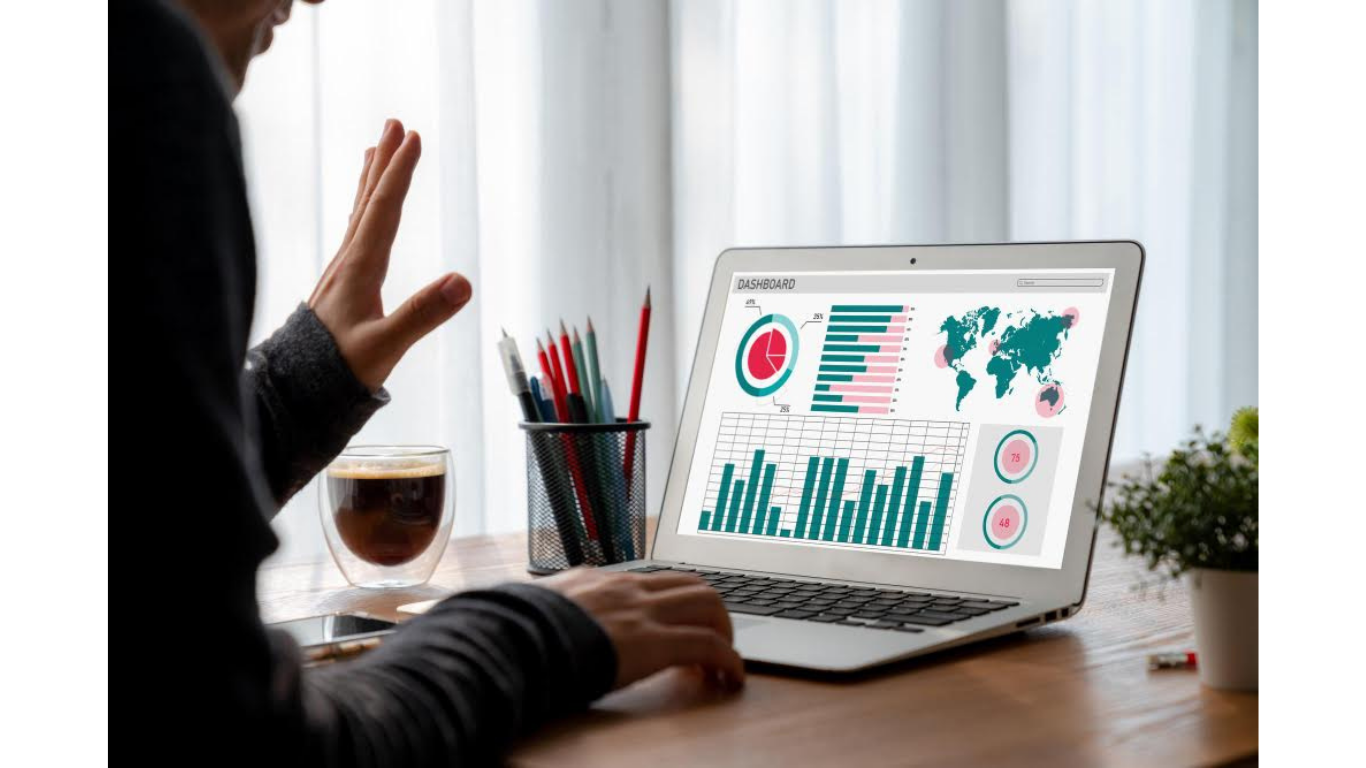
Business analytics tools play a vital role for any organization looking to gain greater decision-making power and efficiency. These solutions allow enterprises to leverage insights while remaining competitive. Enterprises should understand the benefits of using analytics tools to help them reach smarter strategies and sustainable growth.
Improved Decision-Making
Trusted analytics platforms like CoAmplifi Pro Business Analytics offer precise insights derived from data. It helps leaders identify the trends and patterns that can help them make better decisions. Such analysis eliminates guesswork and lowers the risk of expensive blunders. Decisions based on true data produce better results.
Enhanced Efficiency
Automation functionality found in analytics tools streamlines the collection and analysis of data. Manual processes take a lot of time and energy. By utilizing these systems, teams can spend more time focused on their core tasks. Doing so increases the productivity of all departments.
Accurate Forecasting
Predictive analytics augments the ability of organizations to predict future trends with more certainty. Drawing on historical data, companies can prepare for predictable road bumps. This foresight enables proactive planning and more efficient resource allocation.
Better Customer Understanding
This foresight translates into knowledge, which in turn fosters positive client relationships. Analytics platforms provide you with excellent reports on what customers prefer, like, and want to buy. Such data gives companies the ability to adapt products and services in relation to these insights. Most of the time, satisfied clients mean more retention and loyalty.
Cost Reduction
One of the crucial benefits that analytics brings to the table is minimizing waste and maximizing the use of available resources. Identifying all the inefficiencies helps businesses eliminate any unnecessary expenditure. You can then reinvest those savings to grow. At the end of the day, better budgeting translates into better overall financial health.
Risk Management
All organizations have uncertainties and threat vectors. That is why analytical tools identify risks initially. Timely alerts and comprehensive reporting enable firms to remediate vulnerabilities before they become critical. By doing this, people are able to avoid losses and help stabilize over the long term.
Competitive Advantage
Staying ahead requires quick adaptation to changing market forces. Analytics tools provide real-time data, which allows companies to promptly react to changes in demand. Those who move quickly often remain ahead of the competition and manage to capture a larger share of their respective markets.
Enhanced Employee Performance
Analytics make it easy to track employee productivity. Managers could identify strengths and weaknesses. Staff take the time to start with what the individual needs, providing targeted training and support to help them reach their full potential. Organizations achieve more when they have teams that perform well together.
Streamlined Reporting
It can take a while to run reports manually. Analytics platforms help to automate this process, which allows business stakeholders to obtain accurate summaries without much effort. Stakeholders receive the information in a concise, easy-to-read format for reviews and presentations. This information expedites processes and increases the transparency of the process itself.
Increased Return on Investment
You can quantify the results of investing in analytics. Organizations should view which strategies produce the greatest returns. The data in real time enhances the campaigns and resources, optimizing them to achieve maximum effectiveness. More efficient and targeted spending results in higher profits.
Scalability and Flexibility
With every organization, as they grow, their data requirements tend to expand, too. Analytics tools can handle scaling information. Flexible solutions accommodate changes in business needs without disruption. It also guarantees value as the company grows.
Data-Driven Culture
The practice of focusing on tangible outcomes fosters accountability. Easy access to performance data is valuable for employees at all levels. Teams collaborate more effectively when decisions rely on shared information. This transparency encourages trust and accountability between all.
Sustainability and Long-Term Growth
Businesses need to plan their resources effectively to achieve sustainable growth. Analytics tools are essential for long-term planning; they provide helpful details about when a project is nearing its end, what remains stable, and what is significant. It also traces the steps of organizations and keeps them aligned with their goals.
Conclusion
Business analytics tools offer many advantages, including better decision-making, increased efficiency, and cost savings. Such solutions help organizations to remain competitive, mitigate risk, and promote business growth. Data-driven approaches empower businesses to face both today’s challenges and those to come with confidence and transparency.
Article received via email