Industrial systems depend on consistency. Whether in chemical processing, water treatment, manufacturing, or energy operations, valve performance directly affects system stability. Among the most widely used components in these systems are ball valves, known for their durability and precise shutoff capabilities.
However, even the most reliable components require proper care. Following structured maintenance practices ensures commercial ball valves continue performing efficiently under demanding industrial conditions.
1. Schedule Regular Inspection Intervals
Routine inspection is the foundation of industrial reliability. Commercial ball valves operate under pressure, temperature changes, and continuous flow conditions. Regular visual and operational checks help identify early signs of wear.
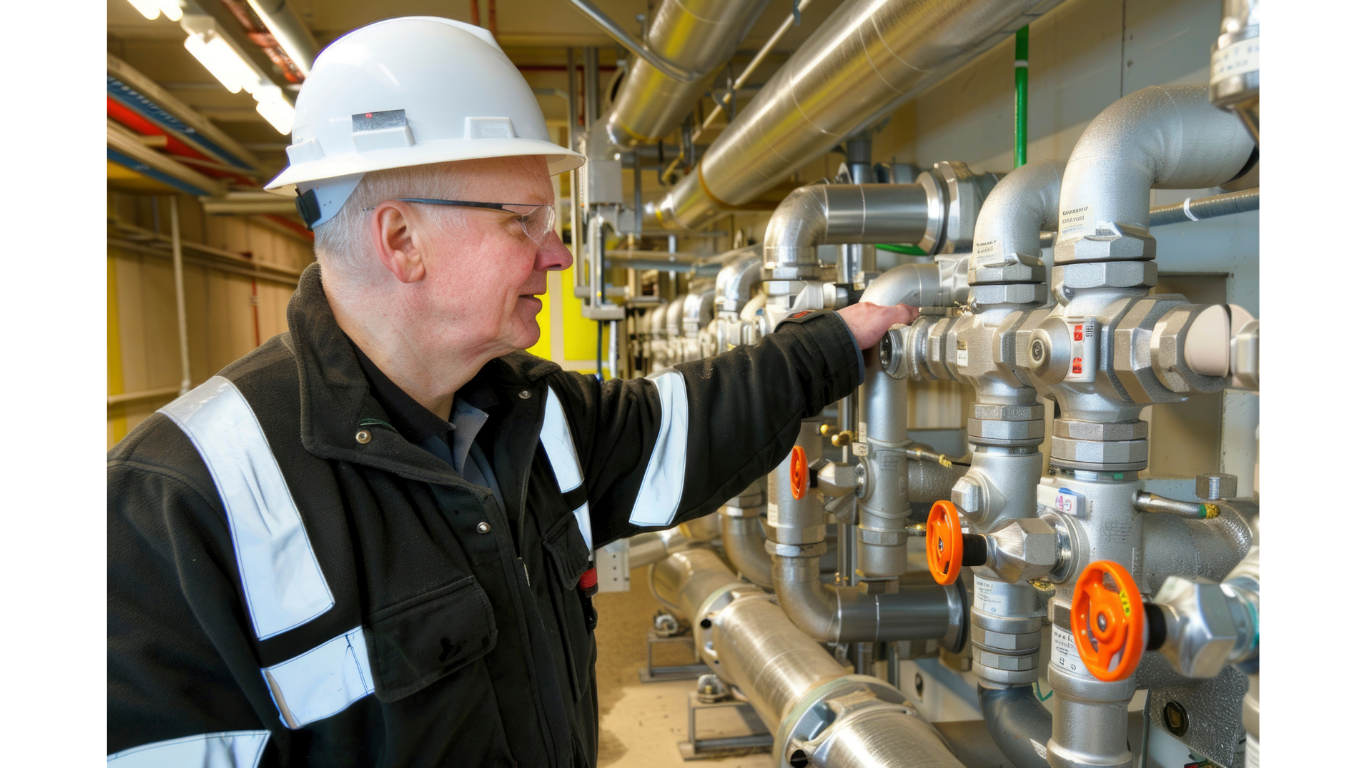
Inspect for leakage around seals, handle resistance during operation, corrosion on external surfaces, and unusual vibration. Establishing a documented inspection schedule improves consistency and helps prevent unexpected downtime.
2. Keep Valve Components Clean And Free From Debris
Industrial environments often involve particles, sediment, or chemical residues that can accumulate inside valves. Over time, debris may interfere with sealing surfaces and smooth rotation.
Flushing systems periodically and cleaning valve components during maintenance cycles supports long-term performance. Clean internal surfaces reduce friction and help maintain tight shutoff capability.
When facilities rely heavily on high-quality ball valves, cleanliness directly supports their reliability and service life.
3. Lubricate Moving Parts Properly
Proper lubrication reduces wear on internal components and supports smooth operation. Stems, seals, and actuators benefit from manufacturer-recommended lubricants applied at scheduled intervals.
Using correct lubrication techniques helps prevent stiffness, excessive torque requirements, and premature seal degradation. It also ensures operators can open and close valves without excessive force.
Maintaining smooth actuation contributes directly to operational stability in industrial systems.
4. Monitor Seal And Seat Condition
Valve seats and seals are critical for leak prevention. Over time, exposure to pressure and process media may gradually affect sealing materials.
Inspect seats for signs of wear, deformation, or chemical exposure effects. Replacing worn seals before performance declines ensures system integrity remains intact.
Preventive seal maintenance supports uninterrupted production and reduces long-term repair costs.
5. Verify Proper Alignment And Installation Support
Even well-built valves can experience stress if improperly aligned within a pipeline. Misalignment may create uneven pressure distribution and additional strain on valve bodies.
During maintenance checks, verify flange alignment, bolt torque consistency, and adequate pipe support. Proper alignment prevents unnecessary mechanical stress and promotes extended service life.
In systems where different valve types are used together, such as a butterfly valve in upstream flow control, ensuring consistent alignment across components supports balanced operation.
6. Test Valve Operation Under Real Conditions
Functional testing under normal operating pressure confirms valve performance. Open and close the valve fully to confirm smooth rotation and secure shutoff.
Operational testing allows technicians to detect minor resistance changes or internal friction before they become larger issues. Maintaining reliable shutoff performance is essential for safety and process control.
Documenting these performance tests builds a strong maintenance history that supports long-term reliability planning.
7. Maintain A Preventive Maintenance Strategy
Industrial reliability improves significantly when maintenance is proactive rather than reactive. A preventive strategy includes scheduled inspections, seal replacement planning, lubrication cycles, and operational testing.
Keeping detailed maintenance records also helps identify patterns and optimize service intervals. Over time, this structured approach reduces unplanned interruptions and strengthens system confidence.
When maintenance is consistent and methodical, commercial ball valves continue delivering dependable flow control performance across demanding industrial environments.
Final Thoughts
Commercial ball valves are built for durability, but their performance depends heavily on structured maintenance practices. Regular inspections, cleaning, lubrication, seal monitoring, alignment checks, and operational testing all contribute to industrial reliability. By implementing a preventive maintenance strategy, facilities can maintain steady flow control, protect system integrity, and support long-term operational efficiency.
Article received via email