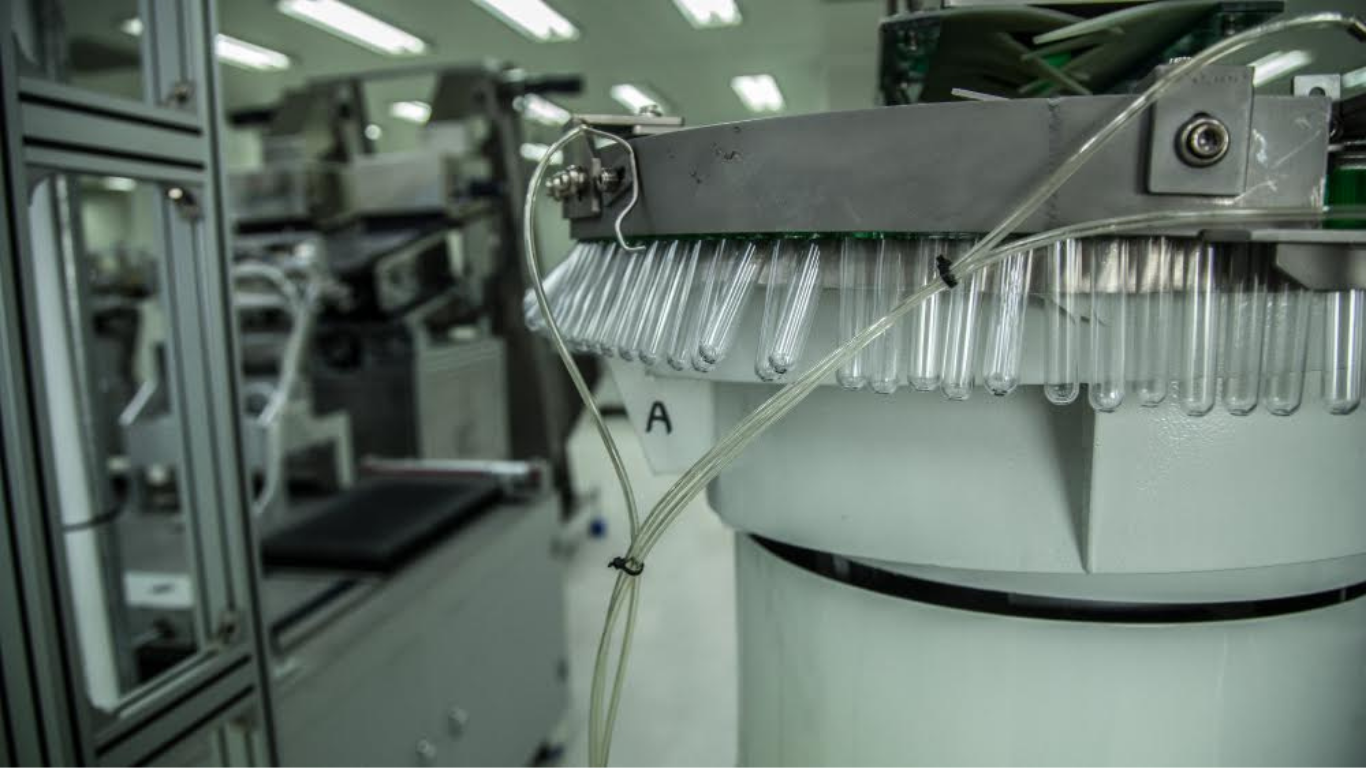
Plastic injection molding is a key process in modern-day manufacturing. This process forms a variety of daily items. Its efficacy, simplicity, and versatility have made it widely favored across several industries. This method enables manufacturers to manage high demand while producing the same or better-quality products.
Precision and Consistency
Injection moldings are parts that are accurate in size. Manufacturers require this accuracy to ensure the parts fit perfectly into their assemblies. One of the biggest benefits is consistency because you can produce items that adhere to rigorous guidelines during every cycle. This minimizes errors and thus the number of defective products and scrap. Such attention to detail caters to industries that need precision tolerances. This is why most manufacturers turn to providers like KS Plastic Injection Molding to get their tools built quickly.
Adaptability to Various Designs
The choice of manufacturing process allows for creativity and versatility. Manufacturers can easily create complex shapes and intricate patterns because changing the molds is simple, allowing for rapid alterations to product designs. This way, businesses can keep up with changing customer requirements. It accommodates the needs of both small and large businesses, facilitating the creation of prototypes as well as mass production. Brands do not need to abandon their established aesthetic standards or wait for the old model to become obsolete.
Material Efficiency
Plastic injection molding saves resources. The process uses only the minimum material required for each item. Unused plastic can be recycled, leading to less waste overall. Not only does this efficiency reduce the costs associated with production, but it also fosters environmental mindfulness. Along with this, manufacturers have a choice of plastics to select from, matching material properties to product demand.
Rapid Production Rates
Production time is crucial for manufacturing units, making injection molding beneficial in this aspect. Machines produce abundant items within a couple of short intervals. This speed enables businesses to respond readily to demand and dispatch products on time. Automation increases the efficiency of production, leading to lower labor costs and less human error. A short turnaround also allows for quicker succession to markets.
Strength and Durability of Parts
Items manufactured in this manner typically exhibit exceptional strength and durability. Engineers add reinforcements using fillers or specific plastics. The improvements also boost durability without weighing components down. From automotive to consumer electronics, stronger parts make for better performance in demanding applications. Longer product lifespans prevent the need for replacements.
Cost-Effectiveness
Plastic injection molding is a cost-effective option for manufacturers. This tool is an upfront investment. That pays for itself with continued use. Based on a defined volume of production, the cost per unit reduces. The process involves automation and minimal wastage, so it helps in saving costs. Customers can benefit from lower costs, and products can become more affordable in response to industry competition.
Supports Innovation
This process allows the formation of fresh concepts and innovative products. Prototype molds give engineers and designers a way to quickly test concepts. It allows them room to experiment with shapes, textures, and materials. It allows businesses to launch new products faster and stay ahead of their industry. Ultimately, innovation becomes easier, and each one helps the other products to grow.
Sustainability Considerations
A lot of manufacturers emphasize lowering the effect on the environment. Injection molding is an environmentally friendly process that reduces waste and utilizes recyclable plastics. Some operations use biodegradable materials, thereby reducing ecological footprints. Additionally, energy-efficient machinery assists in conservation. High trust and customer loyalty are directly impacted by a company’s focus on green practices.
Widespread Applications
Plastic injection molding is used across many industries, including medical devices, automobile components, packaging, and consumer goods. The process is customized for specific needs, from sterile environments to high-impact applications, making it valuable across sectors.
Reliable Quality Control
Maintaining high standards is key for manufacturers. Injection molding allows constant monitoring of each step. With sensors and automation, parts meet quality guidelines, and early defect detection prevents faulty production. Routine checks strengthen trust, ensuring customers receive reliable products.
Conclusion
Modern manufacturing relies on plastic injection molding for many tasks. Its accuracy, speed, and versatility have transformed production across industries. This technology lowers costs, supports rapid development, and drives innovation. As sustainability gains focus, this method continues meeting current and future business needs.
Article received via email