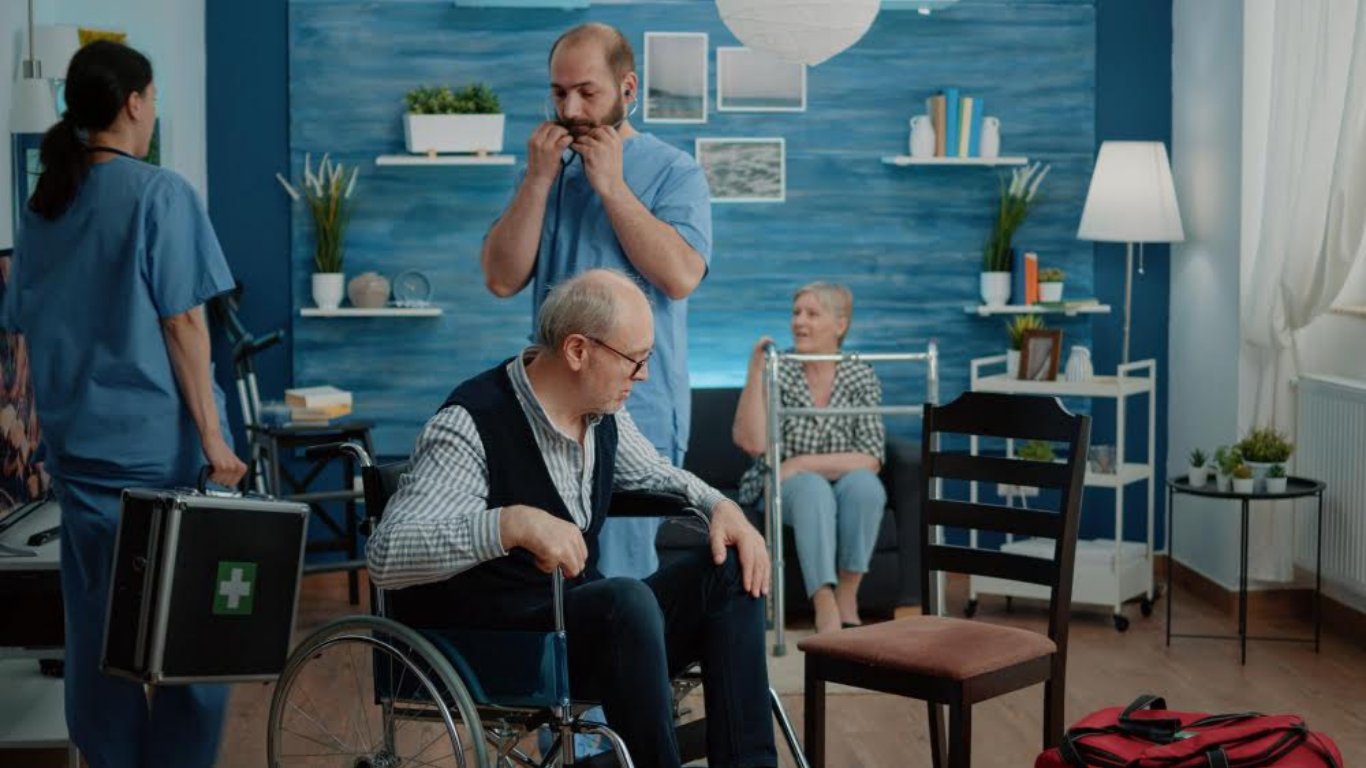
Assisted living provides important care for seniors or individuals with low mobility. Receiving the right support can prevent setbacks while maintaining independence and safety. Examining the connection between support and mobility might assist families in making smart decisions for the ones they love.
Aging and Mobility Challenges
Many people notice a decline in strength, balance, and flexibility as they age. They are more likely to fall or get hurt. A sense of isolation or irritation can be brought on by lessened mobility. Families haggle over compromises that honor safety and personal sovereignty.
The Benefits of Assisted Living
Assisted living communities offer a slightly more structured support option for anyone who may face difficulty with daily tasks. They are there to assist with bathing, dressing, medication management, and other activities. In Assisted Living in Tucson, these services enable people to interact with others and follow their interests. Assistance with activities of daily living also helps prevent falls and injuries that require hospital treatment.
Maintaining Independence with Support
Accepting assistance doesn’t equate to losing independence. Instead, the right support enables people to do what is important to them. Well-trained staff encourage residents to engage in activities according to their capacity. It helps develop confidence and encourages a more active approach to life.
Preventing Falls and Injuries
Falls are one of the most common causes of injury for older adults. Proper assistance reduces these risks. Staff evaluate areas of the home for potential hazards, like loose rugs or inadequate lighting. This means people are encouraged to use their mobility aids as intended and to track health changes over time. Constant monitoring coupled with immediate health solutions ensures that both residents and their families have peace of mind.
Social Engagement and Emotional Well-being
Having limited mobility can lead to social withdrawal. These subtleties are supported by the assisted living environment, where residents are encouraged to participate in group activities and community events. It is one of the best practices of emotional health. Social engagement helps to avoid loneliness. Social bonds and connections with peers and caregivers establish a sense of belongingness, meaning, and purpose.
Customized Mobility Solutions
Personal mobility plans are often available at assisted living communities. These may include physical therapy, exercise classes, or walking groups. Personalized therapy helps residents in maintaining and recovering their physical functions. Adjusting care plans when needs change helps guarantee comfort and safety.
Family Involvement and Communication
Open communication with families is a must. Continuous care updates help families stay engaged and receive status updates on their loved one. Families can visit, attend family-oriented events, or engage with care management planning. Involvement also builds trust and ensures that everyone knows that their family member is being looked after as well as possible.
Technology’s Role in Assisted Living
Technological developments make assisted living safer and more mobile. It monitors residents through emergency call systems, motion sensors, and wearables. They help in responding to any issue quickly. They enhance hands-on care while providing protection.
Choosing the Right Setting
There are factors to consider when looking for the right assisted living community. When choosing, families need to weigh up the level of care, staff qualifications, and amenities available. Visiting several communities and asking questions can help find a setting that fits and is comfortable for you. An effective environment strikes a balance among autonomy, protection, and activity.
Planning for Mobility Needs
Early planning helps prevent major setbacks. Working with families to discuss mobility and care preferences sooner helps families create a plan that reflects individual wishes. By anticipating changes, support is continually available when needed. The people who live at Patton Village and those who love them will sleep a little better at night if they are ready.
Conclusion
For people with mobility limitations, assisted living with the right support can make all the difference. The type of help that is most carefully chosen to prevent setbacks, injuries, and social isolation. This gives families and residents confidence that their needs will be met with dignity and compassion in the future.
Article received via email