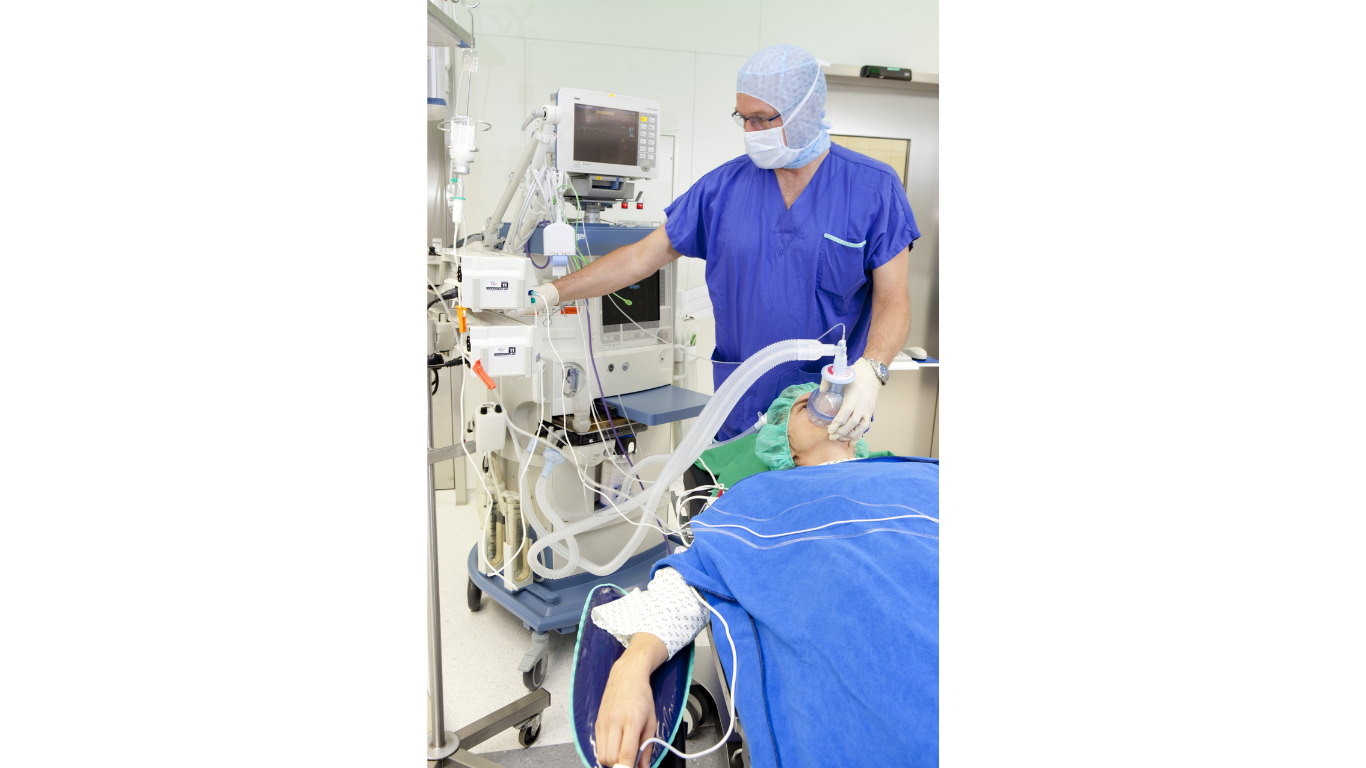
Patients deserve a space that feels safe and clean during their recovery journey. A well-designed clinical environment reduces stress and helps medical teams work with greater efficiency.
Modern facilities now prioritize patient comfort without sacrificing strict sanitation protocols. Focusing on the right materials and design elements creates a healing atmosphere for everyone involved.
Prioritize Natural Light And Biophilic Design
Connection to the outdoors impacts how a person recovers in a hospital room. Natural sunlight regulates sleep cycles and provides a morale boost for both patients and nursing staff. Biophilic touches do more than improve recovery: they create a deep sense of peace by linking patients to the natural world.
Large windows or even nature-themed art pieces can reduce anxiety during long stays. Choosing colors that mimic the sky or forest helps a room feel less clinical and more welcoming. This strategy makes the environment feel more organic and less like a sterile box.
Manage Patient Privacy And Layout
Room layouts must balance the need for medical access with the patient’s right to seclusion. Standard room layouts rely on high-quality healthcare privacy curtains that provide personal space for every individual. The right dividers allow doctors to perform exams and keep the patient shielded from the rest of the ward.
Keeping these barriers in good repair helps maintain a professional look in the facility. Soft dividers muffle sounds when multiple people share a single room. Privacy is a top concern for people who are feeling vulnerable.
Maintain High Standards For Textile Hygiene
Fabric surfaces in medical settings require constant attention to prevent the spread of germs. High-touch items harbor bacteria if they are not swapped out or cleaned on a rigid schedule. Global infection control resources found that 92% of curtains in a study showed contamination within just one week of use.
Switching to antimicrobial fabrics will keep the environment safer for vulnerable individuals. Facilities should establish a clear tracking system for laundry and replacement to guarantee that every surface stays fresh. Frequent washing at high temperatures kills pathogens that might otherwise linger on soft materials. Any hygiene program needs proper textile management.
Implement Smart Lighting And Window Solutions
Lighting needs change throughout the day based on the type of care being provided. Soft, dimmable lights help patients rest, and bright task lighting is necessary for medical procedures. Blackout blinds are a key part of settings where total darkness is needed, including sleep study centers.
Adjustable blinds give patients control over their own environment, which improves their experience. Motorized shades help staff manage light levels without needing to enter the room. Controlling the light regulates circadian rhythms for people who cannot leave the building.
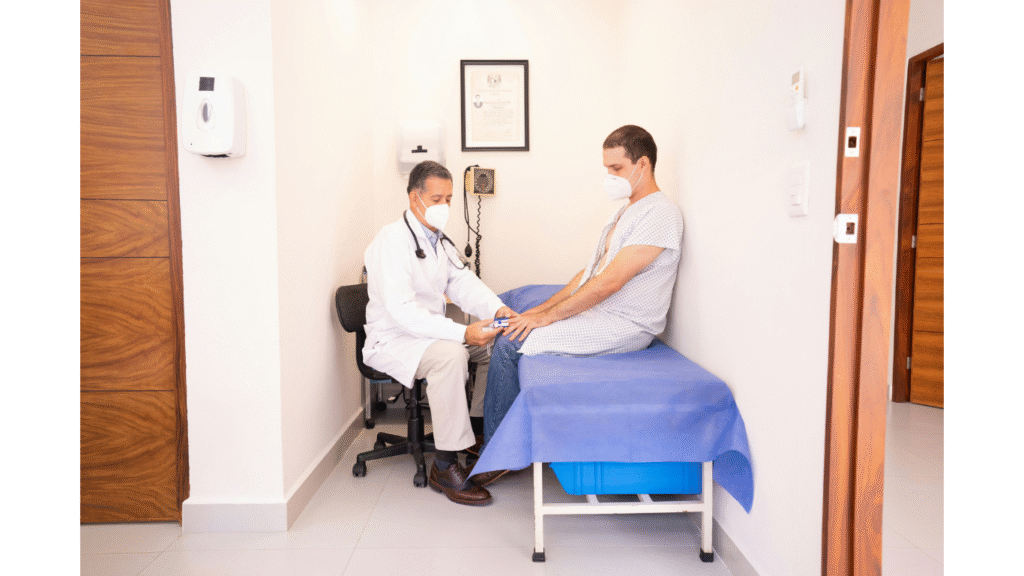
Choose Furniture With Non-Porous Surfaces
Waiting areas and patient rooms need chairs and tables that can withstand heavy scrubbing with harsh chemicals. Furniture with seams or cracks can trap dirt and become a breeding ground for unwanted microbes. Selecting materials like high-grade vinyl or solid plastics makes the cleaning process much faster for janitorial crews.
- Opt for chairs with antimicrobial coatings
- Pick tables with rounded edges to prevent dust buildup
- Use metal or composite frames instead of wood
- Select moisture-resistant fabrics
Smooth surfaces allow disinfectants to work effectively across the entire piece of furniture. Keeping the aesthetic simple and clean builds trust with visitors and families. High-quality furniture stays in good condition even after years of use. Investing in durable pieces reduces replacement costs.
Focus On Acoustic Comfort And Noise Control
Constant beeping and loud conversations can interfere with the rest needed for healing. Sound-absorbing ceiling tiles and specialized wall panels help keep noise levels under control in busy hallways. Designers suggest using rubber flooring or soft-close doors to minimize the sharp sounds that wake sleeping patients.
A quieter atmosphere lowers heart rates and helps people feel less on edge during their treatment. Providing a peaceful setting shows that the facility cares about the mental well-being of its guests. Medical staff benefit from a quieter workplace since it helps them stay focused on critical tasks. Reducing noise pollution creates a calmer space for everyone.
Creating a top-tier patient environment requires a mix of smart design and strict cleaning habits. Balancing the physical comfort of a guest with the safety needs of a medical clinic is a 24-hour job.
When facilities invest in quality materials and thoughtful layouts, the results show in patient satisfaction scores. A clean and cozy space helps people focus on getting better. Every detail, from the lighting to the furniture, will impact the healing process.
Article received via email