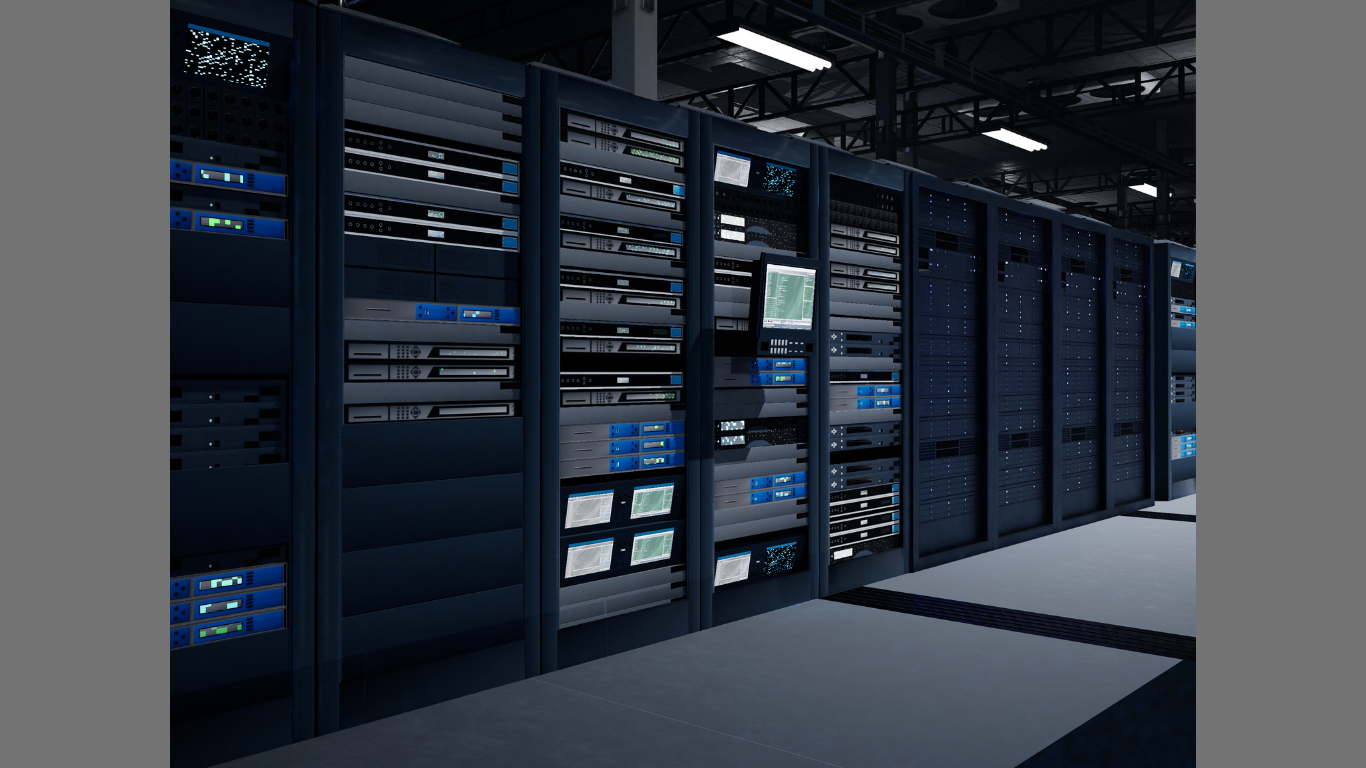
The first wave of AI competition was visible.
Companies raced to adopt new tools. Headlines focused on model performance, capabilities, and breakthroughs. Organizations evaluated which platforms to use, how quickly to implement them, and where immediate efficiencies could be gained.
That phase is still ongoing.
But a quieter shift is already underway.
The next phase of competition is moving beneath the surface.
From Adoption to Advantage
Adoption is no longer the differentiator.
Across industries, organizations now have access to similar AI capabilities. Tools that were once cutting-edge are becoming standard. Features that once signaled innovation are now expected.
As access expands, the question changes.
Not whether a company is using AI.
But how effectively it is integrating it.
This is where advantage begins to separate.
AI Is Becoming Infrastructure
In its early stages, AI was treated as a layer added onto existing systems.
A chatbot here. An automation workflow there. A feature integrated into a product.
But as capabilities mature, AI is becoming embedded into core operations.
It influences how decisions are made. How data is interpreted. How workflows are executed.
At this point, AI is no longer a tool.
It is infrastructure.
And infrastructure is where long-term competitive advantage is built.
The Competitive Layer Is Structural
When multiple organizations use similar AI tools, differentiation shifts away from the tools themselves.
Instead, it emerges from:
- how data is structured
- how systems are connected
- how workflows are defined
- how outputs are validated
Two companies can deploy the same model and achieve very different results.
One builds reliable, scalable systems.
The other struggles with inconsistency and inefficiency.
The difference is not capability.
It is structure.
Recent thinking on this shift highlights how the competitive layer in AI is increasingly determined by system design rather than model selection.
Data Quality Becomes Strategic
AI systems are only as effective as the data they rely on.
Inconsistent, fragmented, or poorly structured data limits what AI can do. It introduces ambiguity, reduces accuracy, and increases the likelihood of error.
Conversely, well-structured data enables:
- more reliable outputs
- faster automation
- better decision-making
- stronger integration across systems
This elevates data quality from a technical concern to a strategic priority.
Organizations that invest in their data foundations will extract more value from AI over time.
Integration Defines Scale
AI does not create value in isolation.
Its impact grows when it is integrated across systems.
When AI can move between platforms, connect workflows, and operate across datasets, it begins to influence entire business processes rather than isolated tasks.
This is where scale is achieved.
But integration requires discipline.
APIs must be well-defined. Systems must communicate consistently. Data must be standardized.
Without this, AI remains fragmented.
With it, AI becomes a force multiplier.
Governance Is Part of the Equation
As AI becomes embedded into core operations, governance becomes inseparable from strategy.
Organizations must consider:
- how decisions are made
- how outputs are validated
- how risk is managed
- how accountability is maintained
Without governance, AI introduces uncertainty.
With governance, it enables controlled growth.
This is particularly important in global contexts, where regulatory environments, compliance requirements, and operational complexity vary significantly.
The Risk of Surface-Level Adoption
Many organizations are still focused on surface-level AI adoption.
They implement tools quickly, generate early results, and move on.
But without deeper structural changes, these implementations remain limited.
They create short-term gains, but not long-term advantage.
Over time, the limitations become clear.
Systems do not scale. Outputs become inconsistent. Integration challenges slow progress.
What initially appears as momentum eventually becomes friction.
The Organizations That Will Lead
The companies that will lead in this next phase of AI are not necessarily the fastest adopters.
They are the most structured.
They invest in:
- data architecture
- system integration
- workflow design
- governance frameworks
They treat AI as part of a broader system, not a standalone capability.
And in doing so, they build foundations that support sustained growth.
A Shift in Leadership Perspective
This evolution requires a shift in how leaders think about AI.
Instead of asking: “How can we use AI?”
They must ask: “How do we build systems that allow AI to operate effectively?”
This is a different kind of question.
It moves the conversation from tools to infrastructure, from features to systems, from experimentation to strategy.
The Next Competitive Divide
As AI continues to mature, the gap between organizations will not be defined by access.
It will be defined by implementation.
Companies that treat AI as infrastructure will build systems that improve over time.
Companies that treat AI as a feature will struggle to scale beyond initial use cases.
This is the next competitive divide.
And it is already forming.
The Advantage No One Sees
The most important changes in technology are often the least visible.
They happen in how systems are structured, how data flows, and how processes are defined. AI is no exception.
The next phase of competition will not be decided by what is most visible.
It will be decided by what is most foundational.
And for organizations that recognize this early, the advantage will not just be measurable. It will be compounding.
Article received via email