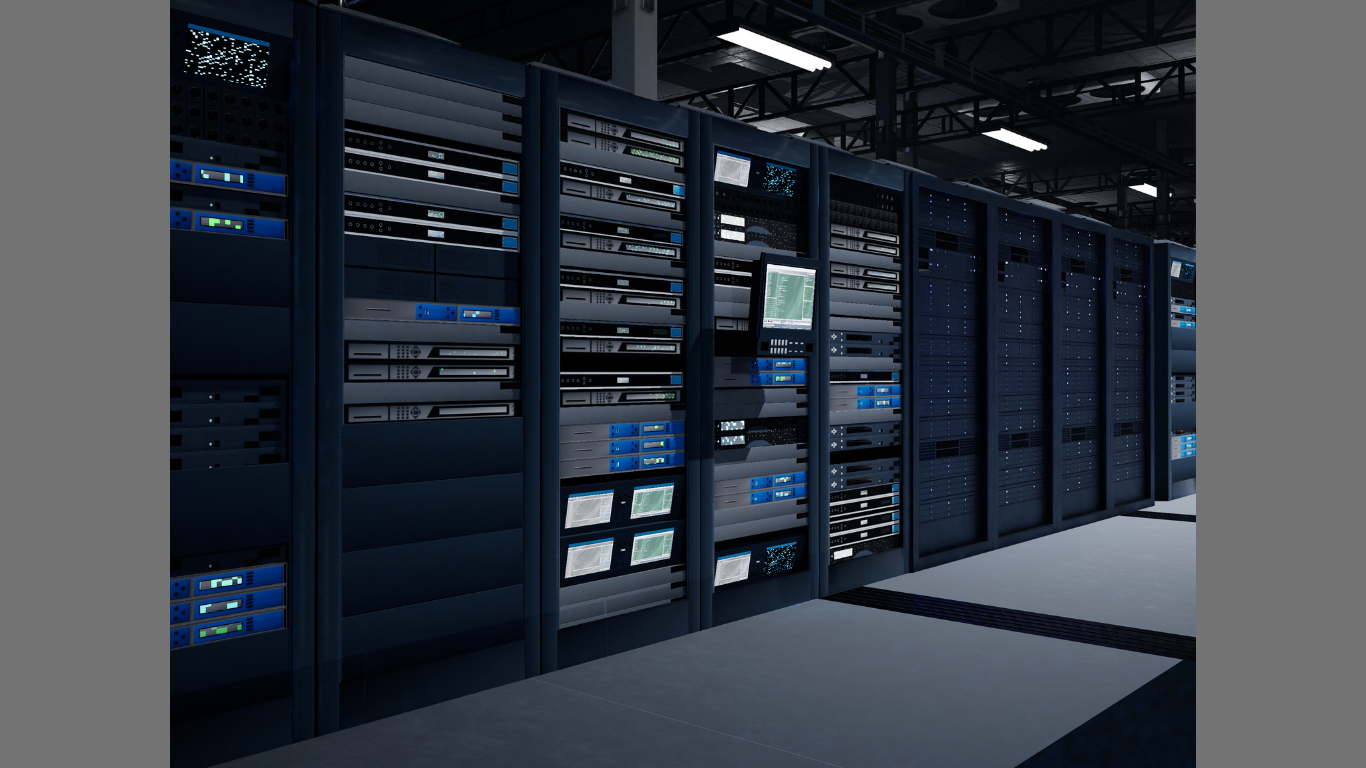
For small businesses, daily operations depend on a chain of equipment, systems and services. A restaurant relies on functioning refrigerators, a laundromat depends on washing machines, an office needs reliable computers and printers.
When one part breaks, the effects spread fast.
Operational downtime, when equipment, systems or facilities stop working, is not just a temporary inconvenience. For small businesses with limited resources, even a short disruption can drain revenue, damage customer trust and hurt the business long after the problem is fixed.
What Causes Unexpected Operational Disruptions
Most downtime has early warning signs, but many businesses only notice the problem once operations stop completely.
Common causes:
Equipment failure
Aging or poorly maintained equipment fails without much notice. Hardware failure accounts for about 45% of unplanned downtime incidents across businesses.
Software or system issues
Incompatible updates, outdated software or system crashes can stop operations, especially for businesses that depend on digital tools for scheduling, payments or communication.
Human error
Accidental misconfigurations, deleted files or improper equipment use can lead to avoidable outages.
External factors
Power outages, cyberattacks, internet disruptions or supply chain interruptions can also trigger downtime.
Many small businesses underestimate how often these issues occur. Between 73% and 80% experience downtime, often without a recovery plan.
How Equipment Failures Affect Revenue and Customer Experience
When operations stop, the most immediate impact is lost revenue. If a point-of-sale system fails or a key piece of equipment stops working, sales stop until the issue is resolved.
The financial impact adds up fast. Studies estimate downtime costs small businesses between $137 and $427 per minute depending on the type of disruption.
The visible revenue loss is only part of it. Downtime also creates hidden costs:
Interrupted customer service
If a business cannot fulfill orders, deliver services or respond to requests, customers move on. Reliability is hard to rebuild once lost.
Lost productivity
Employees who cannot access systems or equipment cannot work, creating backlogs that take time to clear after operations resume.
Reputational damage
Repeated disruptions give customers a reason to question whether the business can be counted on.
Recovery expenses
Emergency repairs, overtime and rushed replacements typically cost significantly more than routine maintenance.
Even brief outages can compound these problems, especially for small teams where every hour of productivity matters.
Why Preventive Maintenance Is Part of Smart Business Strategy
Many businesses operate under a “fix it when it breaks” mindset. This approach seems cost-effective in the short term but tends to lead to larger expenses later.
Preventive maintenance is a better approach. By inspecting and servicing equipment before failure occurs, businesses can reduce downtime and avoid emergency repair costs.
Research shows that proactive maintenance can cut operational disruptions and their costs substantially.
“In our experience, downtime rarely happens without warning. Equipment usually shows small signs of wear or performance changes first, but they often go unnoticed until the failure affects daily operations. Regular inspections and timely repairs help businesses avoid disruptions and keep critical equipment running reliably,” say experts at Best Solution Appliance Repair.
For businesses that rely on appliances and equipment, such as restaurants, property managers and service providers, routine inspections and timely repairs reduce the risk of unexpected failures.
Preventive maintenance protects more than the equipment. It protects the business that depends on it.
The Real Value of Staying Operational
Small businesses focus heavily on growth, but operational stability deserves the same attention.
Downtime hits revenue, customer trust and productivity at the same time. Preventive maintenance, monitoring and professional repairs reduce that risk before it becomes a crisis.
The real cost of downtime is not just lost minutes. It is lost customers, lost trust and lost ground that takes time to recover.
Article received via email