Executives attend numerous meetings each week, where a physical handshake can decide the fate of a multi-million-dollar contract. Digital tools often fail to transmit the subtle cues of commitment that high-value partners require.
When a leader appears on-site at a moment’s notice, it sends a ripple through the client organization that no video call can replicate. This physical arrival acts as a tangible hard asset, transforming a standard business relationship into a prioritized strategic alliance.
Presence eliminates the distance between a problem and its resolution. Clients see a leader’s travel as an investment in their success. It shows their account is worth the executive’s time.
Strategic Mobility as a Trust Signal
Executive mobility is not just about transportation; it is about the ability to act decisively when a window of opportunity opens. In the current landscape, the speed of a response often dictates the depth of the partnership.
When a client faces a crisis or a sudden expansion, the executive who arrives first often wins the largest share of the future budget. This creates a cycle of reliability where the client knows they are never more than a few hours away from a face-to-face consultation.
Trust is built through these repetitions of reliability. By mapping out critical engagements and embedding flexible planning into the corporate culture, organizations can convert simple presence into long-term revenue growth.
Accelerating the Deal Lifecycle
High-value transactions hinge on troubleshooting with the client in real-time. This approach reduces friction from delays or miscommunication. On-site visits demonstrate commitment, boosting retention and deal size.
Securing these outcomes requires a logistical framework that matches the speed of modern business. Traditional commercial travel often introduces variables that jeopardize these strategic windows.
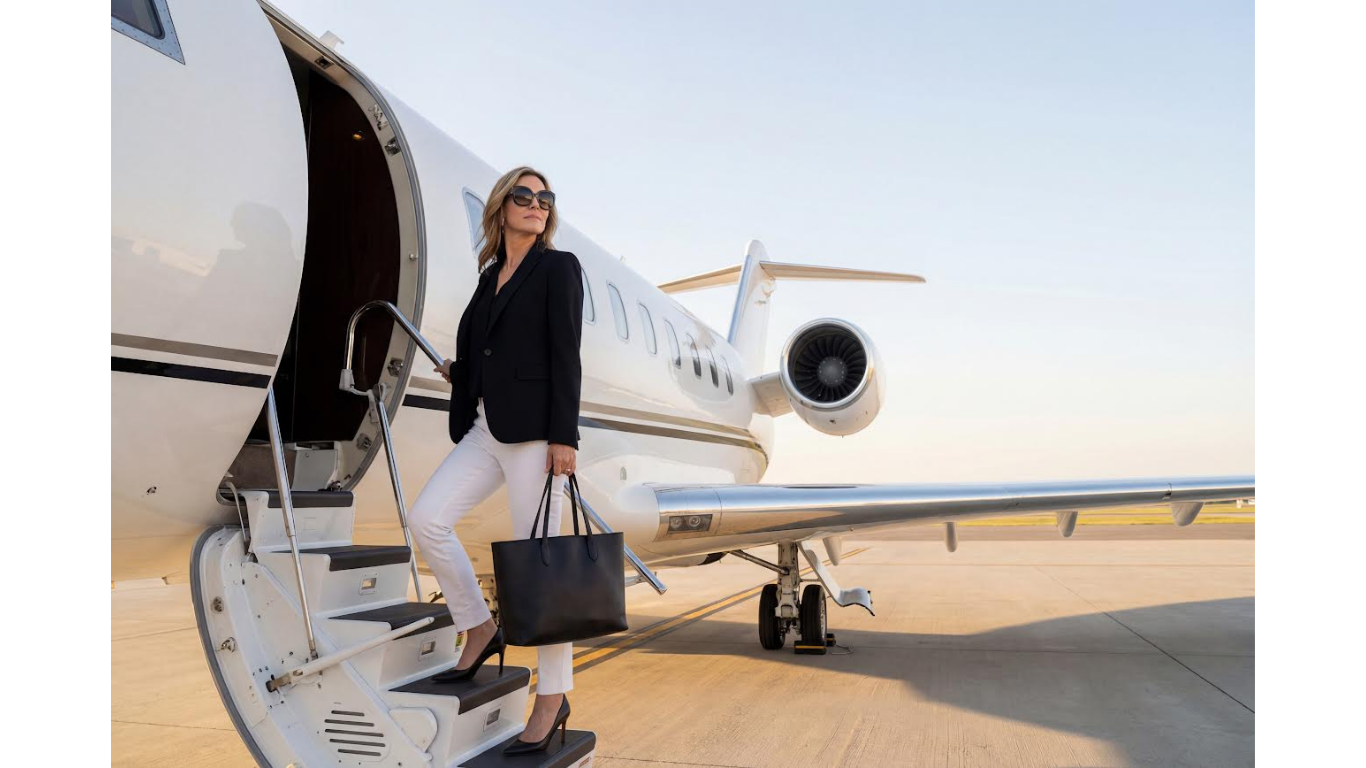
To maintain a competitive edge, many firms utilize private jet rental to bypass the delays of major hubs and land closer to client headquarters. This level of responsiveness ensures that the executive is not just present but arrives focused and prepared to negotiate from a position of strength.
Converting Presence into Measurable Outcomes
Vendor-to-partner transitions happen during unscripted site visits. They allow spontaneous brainstorming and reveal needs missed in formal Zoom calls. Physical presence lets executives observe the client environment and provide relevant solutions.
To maximize the impact of these visits, leaders should focus on a few key areas of engagement:
- Conduct deep-dive strategy sessions that address the client’s three-year roadmap
- Perform joint site inspections to identify operational bottlenecks in real-time
- Host informal executive dinners to strengthen the personal bonds between leadership teams
Reclaiming Executive Time for Deep Strategy
Efficiency on the move is the hidden engine of executive mobility. When leaders travel via on-demand aviation, they reclaim hours of productive time that would otherwise be lost to security lines and terminal waiting areas. Combined with the right tools, productivity is possible in any context.
Private cabins serve as mobile centers for work, allowing for confidential briefings and high-level strategy sessions while in transit. This ensures that the time spent traveling is just as valuable as the time spent in the boardroom.
Operational Resilience Through On Demand Aviation
Strategic presence requires a “go-now” capability that traditional aviation cannot provide. Whether it is a sudden contract signing or a necessary facility tour, the ability to launch a flight within hours is a massive competitive advantage. These go-now air charters keep business moving when every second counts toward a quarterly goal or a partnership milestone.
This flexibility enables more proactive client engagement. Leaders can respond to trigger events the next morning instead of waiting for quarterly reviews.
Measuring the Return on Strategic Mobility
Executive mobility boosts existing partnerships. Consistent visibility encourages referrals and co-marketing participation. These benefits translate into revenue by lowering acquisition costs and increasing account value.
Presence differentiates organizations amid digital noise, demonstrating respect and dedication competitors may overlook. Using travel strategically builds trust resilient to market changes and competition.
Enhancing Client Retention with Strategic Presence
Long-term success requires anticipating client needs before complaints arise. On-site presence helps executives notice morale shifts or priorities that reports may miss. This insight supports a proactive model that prevents churn.
Client awareness of leadership travel builds a psychological safety net. They feel valued and understood. This connection often decides contract renewals, even against lower-priced competitors.
If you found these insights on executive mobility helpful, explore the rest of our guides on business topics for more actionable strategies.
Article received via email