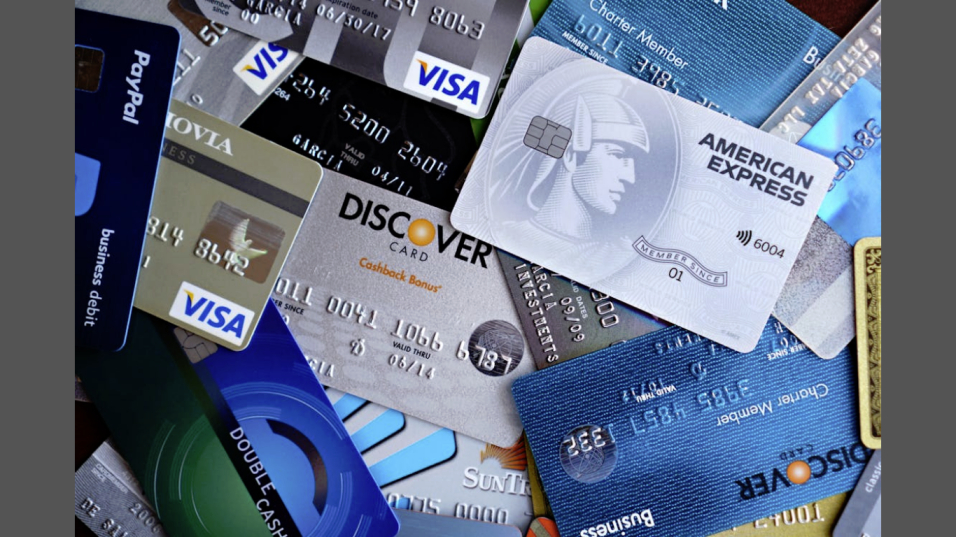
The credit card industry in 2026 is no longer just about plastic and interest rates. It is a high-speed data ecosystem where real-time underwriting, AI-driven fraud prevention, and the convergence of flexible lending models like BNPL are redefining how we move money. There are 2.8 billion credit card accounts used globally as the transition from physical wallets to digital-first stacks accelerates.
This shift means that the barriers to entry for those with limited credit history are finally dissolving through open banking. Whether you are an institution looking to retain deposits or a consumer trying to navigate a high-rate environment, understanding these nine shifts is the only way to stay ahead of the curve.
Credit-Builder Cards for Thin Files
The rise of the “thin file” consumer has created a massive market for specialized entry-level products. Unlike the predatory secured cards of the past, today’s credit-builder options focus on path-to-graduation models that reward consistent behavior with higher limits and lower rates.
For many individuals, the most effective way to establish a footprint is to request a credit card from 118 Money to access a manageable line of credit designed for those looking to improve their standing. These cards often serve as the bridge between having no financial identity and accessing traditional mortgage or auto loan products.
The modern credit-builder landscape relies on three primary pillars of support:
- Automated reporting to all major credit bureaus
- Educational tools integrated directly into the mobile app interface
- No-interest buffers for small accidental overages
BNPL and Card Convergence
The line between Buy Now, Pay Later (BNPL) and traditional credit cards has vanished. We are seeing “Installments at the Point of Sale” become a standard feature on nearly every major card network. You no longer need a separate third-party app to split a purchase; your existing credit card now offers a toggle switch to convert any transaction over a certain amount into a fixed-fee loan.
This trend is largely driven by the EU Consumer Credit Directive (CCD II), which has brought BNPL under the same regulatory umbrella as traditional credit. This ensures that affordability checks are just as rigorous for a four-payment split as they are for a standard revolving balance.
Virtual Cards for B2B Spend
In the corporate world, the physical company card is becoming a security liability. Businesses are migrating toward virtual card stacks for every department, vendor, and recurring software subscription. These single-use or merchant-locked numbers provide a level of control that traditional accounts simply cannot match.
Because these cards are digital-native, they integrate directly with accounting software. This allows virtual cards to reduce payment cycle times by 80% through zero-touch automation, meaning finance teams no longer have to chase down receipts or manually reconcile spreadsheets at the end of the month.
Network Tokenization Gains
Security is moving away from the “vault” model and toward the “token” model. Every time you save a card to a merchant site or a mobile wallet, it is replaced by a unique digital token. If a hacker breaches the merchant’s database, they find useless strings of code rather than your actual card details.
The adoption of “Click-to-Pay” is the primary engine behind this growth. Estimates suggest that global tokenized payment transactions will exceed 1 trillion by the end of 2026. This technology creates a frictionless checkout experience where you can pay securely across any device without ever typing in a sixteen-digit number.
AI Fraud and Behavioral Biometrics
Fraudsters are now using deepfakes and generative AI to bypass traditional security questions. In response, banks have pivoted to behavioral biometrics. This technology monitors how you hold your phone, the pressure of your thumb on the screen, and even your typing cadence to verify your identity.
It is a silent layer of security that works in the background. As synthetic identity fraud losses hit $40 billion annually, these invisible markers have become the most reliable way to distinguish a human user from an automated bot or a sophisticated impersonator.
AI can also help prevent fraud, although the risks posed by the tech should not be underestimated. More research and precautions are required.
Subscription Management within Card Apps
Most people are suffering from subscription fatigue. Between streaming services, gym memberships, and software-as-a-service, it is easy to lose track of where the money is going. Card issuers have responded by building “command centers” directly into their banking apps.
These tools allow you to see every recurring charge in one list and, more importantly, cancel them with a single tap. Over 70% of consumers want subscriptions bundled through their financial provider to simplify their monthly outgoings. This turns the credit card app into a central financial hub rather than just a place to view a statement.
Future Proofing Your Payments
The common thread across all these trends is the demand for more control and higher transparency. The days of opaque credit decisions and “set it and forget it” security are over. For the consumer, this means more power to build credit and protect their identity. For the merchant and the bank, it means a race to provide the most seamless, data-rich experience possible.
As you look at your own wallet, consider whether your current card is actually working for you or just sitting there. Staying informed on these shifts ensures you aren’t paying for yesterday’s technology with today’s money. To learn more about the trends and market forces altering consumer behavior right now, read more of the insightful posts on our site.
Article received via email