A few years ago, a mid-size electronics company in Texas found itself stuck. A design flaw had slipped through on a batch of injection-molded housings. Their tooling was overseas. The fix? Eight weeks and a flight to Asia — or a costly scrapped run. “We couldn’t even get someone on the phone in a reasonable time zone,” their operations director later recalled. That experience pushed them to rethink where they sourced their plastic components.
They’re not alone. Across the south-central U.S., a quiet but steady shift is underway as manufacturers move injection molding operations closer to home. The reasons aren’t purely emotional or patriotic — they’re financial, logistical, and in many cases, competitive.
The Supply Chain Wake-Up Call Nobody Wanted
The disruptions of the early 2020s hit injection molding particularly hard. Port bottlenecks, raw material shortages, and extended lead times exposed a vulnerability that had been easy to ignore when everything was running smoothly. Manufacturers that had offshored tooling and production to chase lower unit costs suddenly found themselves unable to respond when something went wrong — and in manufacturing, something always eventually goes wrong.
The south-central United States has quietly positioned itself as a serious alternative. The region benefits from a dense industrial base, established resin supply chains, and a large cluster of OEM customers in electronics, energy, life sciences, and consumer goods — industries where precision and reliability aren’t optional.
Texas Injection Molding is one example of the regional custom manufacturers benefiting from this shift. Their pitch isn’t simply “made in America” — it’s engineering depth, ISO-certified quality systems, and the kind of responsiveness that geography makes possible.
What Separates a Good Molder From a Great One
The injection molding market is fragmented. There are hundreds of operations across the country, ranging from small job shops running a handful of presses to large-scale facilities handling millions of cycles a month. Not all of them are built to handle the complexity that modern OEM applications demand.
Engineering talent, not just machine count. The quality of a molded part is as much about the people running the process as the equipment. Engineers who genuinely understand material behavior, mold design trade-offs, and process optimization can catch problems early — during DFM review, not after tooling has been cut. That expertise compresses development cycles and reduces defect rates on complex applications.
Process discipline, not just certifications. ISO 9001:2015 is a baseline, not a differentiator. The molders that consistently deliver on quality do so because they’ve built rigorous systems around it: documented process controls, in-line monitoring, traceability through every batch, and the operational culture to maintain standards when production is under pressure. Audits can verify the paperwork; customer experience reveals whether the systems actually hold.
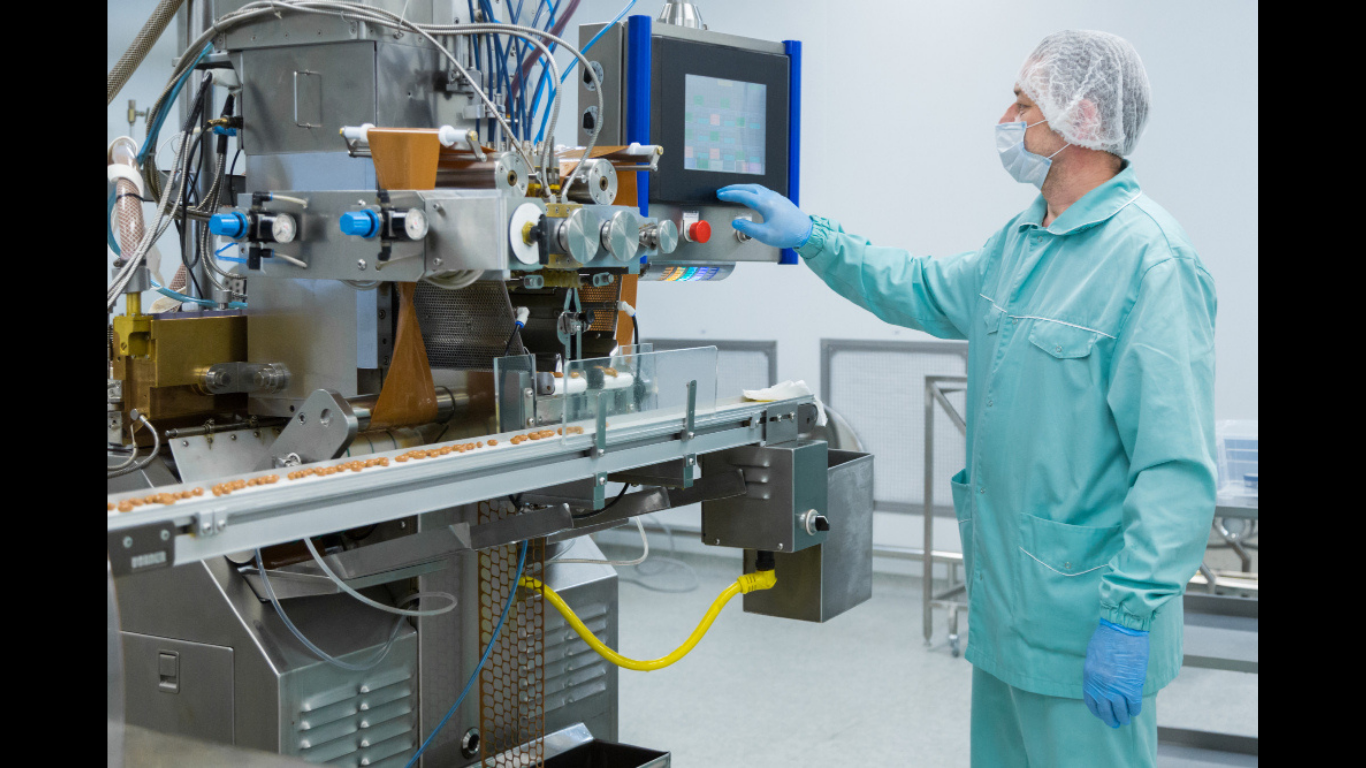
Machine range that matches real-world requirements. OEM portfolios rarely fit neatly into one press tonnage. A supplier running equipment from small precision presses up through large-format machines above 1,000 tons can accommodate a broader range of part sizes and geometries — and handle portfolio growth without forcing a customer to source a second vendor. Robotic handling, centralized material management, and in-house quality lab infrastructure reduce cycle variation and support the volumes that make regional sourcing economically defensible.
The Real Advantage of Working With Someone Nearby
Proximity isn’t just a feel-good factor. For middle-market manufacturers, it has direct financial implications that compound over the life of a supplier relationship.
Engineering change orders that once required weeks of international coordination — emails across time zones, drawings lost in translation, tooling adjustments handled by a contact you’ve never met in person — can now be resolved in days with a regional partner. First article inspections that previously required expensive overseas travel can happen with a quick drive. Inventory strategies built around 12-week ocean freight windows can be redesigned around domestic replenishment cycles that are measured in days, not months.
The less tangible benefit is harder to quantify but often more valuable: a collaborative relationship built over time. A supplier who understands your product roadmap, has visited your facility, and is a phone call rather than a 14-hour time zone difference away will respond differently when an urgent issue surfaces. That responsiveness has real dollar value — in avoided downtime, in faster launches, in problems caught before they become crises.
A Note on Materials: Where Expertise Quietly Becomes Critical
Engineering resin selection has gotten significantly more complex. PEEK, PPS, glass-filled nylons, liquid crystal polymers, high-impact polycarbonate, specialty compounds — each material has its own processing window, its own failure modes, and its own demands on tooling geometry and machine parameters. Getting it wrong doesn’t just mean a bad part; it can mean degraded performance in the field, accelerated failure, or regulatory issues in applications like medical devices or aerospace components.
Molders with established relationships across resin manufacturers and compounders, and with documented production experience across a broad material portfolio, offer something that commodity operations genuinely can’t: informed material guidance early in the design process, when changes are still cheap.
For OEMs operating in sectors where the component material directly determines product performance — not just aesthetics — this expertise often proves to be the difference between a partnership that works and one that creates recurring headaches.
The Reshoring Calculus Isn’t Finished
Offshoring plastic production isn’t going away entirely. For high-volume, low-complexity parts with stable designs and long lead time tolerance, it still makes economic sense for many companies. But the calculation has shifted. Total cost of ownership now has to account for responsiveness, flexibility, and risk in a way it didn’t before the disruptions of the last few years.
Regional manufacturers like Texas Injection Molding are well-positioned to serve the segment of the market where those factors matter most: product companies with complex or evolving designs, demanding material requirements, and operations teams that need a supplier who can move when they need to move.
The Texas company that got burned by the overseas tooling problem? They’ve been working with a regional molder for the past two years. Their last engineering change took four days start to finish. “We don’t think about lead times the same way anymore,” their operations director said. For a growing segment of U.S. manufacturers, that’s starting to sound like the point.
Article received via email