Business owners tend to invest heavily in digital security and insurance, but the physical environment often gets far less attention than it deserves. That gap is increasingly costly. From retail stores and hospitality venues to commercial buildings and logistics hubs, the absence of proper physical safety infrastructure is showing up in injury claims, liability exposure, and reputational damage that no insurance policy can fully offset.
The encouraging news is that addressing this gap doesn’t require a major overhaul. For most businesses, it starts with understanding two foundational categories: how to manage the movement of people within and around a space, and how to protect that space from external vehicle and perimeter threats.
Key Takeaways
- Physical safety infrastructure is one of the most overlooked risk management tools available to businesses of any size
- Crowd management solutions reduce liability, improve customer experience, and create orderly flow in high-traffic environments
- Perimeter protection through bollards and vehicle barriers is increasingly essential for commercial and public-facing businesses
- The right safety equipment pays for itself through reduced incidents, lower insurance risk profiles, and stronger WHS compliance
- Both crowd management and perimeter security work best when planned proactively rather than installed reactively after an incident
The Real Cost of Getting Physical Safety Wrong
Slip-and-fall incidents remain one of the highest sources of premises liability claims across almost every industry. When crowds are unmanaged, when pedestrian zones aren’t clearly defined, or when vehicle access isn’t controlled, the consequences can be significant. Injuries cost money directly in workers’ compensation and legal fees, but also indirectly through downtime, reputational damage, and the operational disruption that follows any serious incident.
For businesses that attract significant foot traffic, including retail stores, event venues, hotels, and public service facilities, the risk is especially pronounced. Without thoughtful physical controls in place, a single busy trading period or large event can expose a business to hazards that a structured queue line or a clearly defined pedestrian zone would have prevented entirely.
Managing People Flow as a Business Strategy
Crowd management is often framed purely as a safety obligation, but the businesses that handle it best understand it as a customer experience strategy too. An orderly, well-managed environment communicates professionalism and care. It makes customers feel looked after rather than herded. And it makes staff more efficient by reducing the chaos that comes from unstructured movement in a shared space.
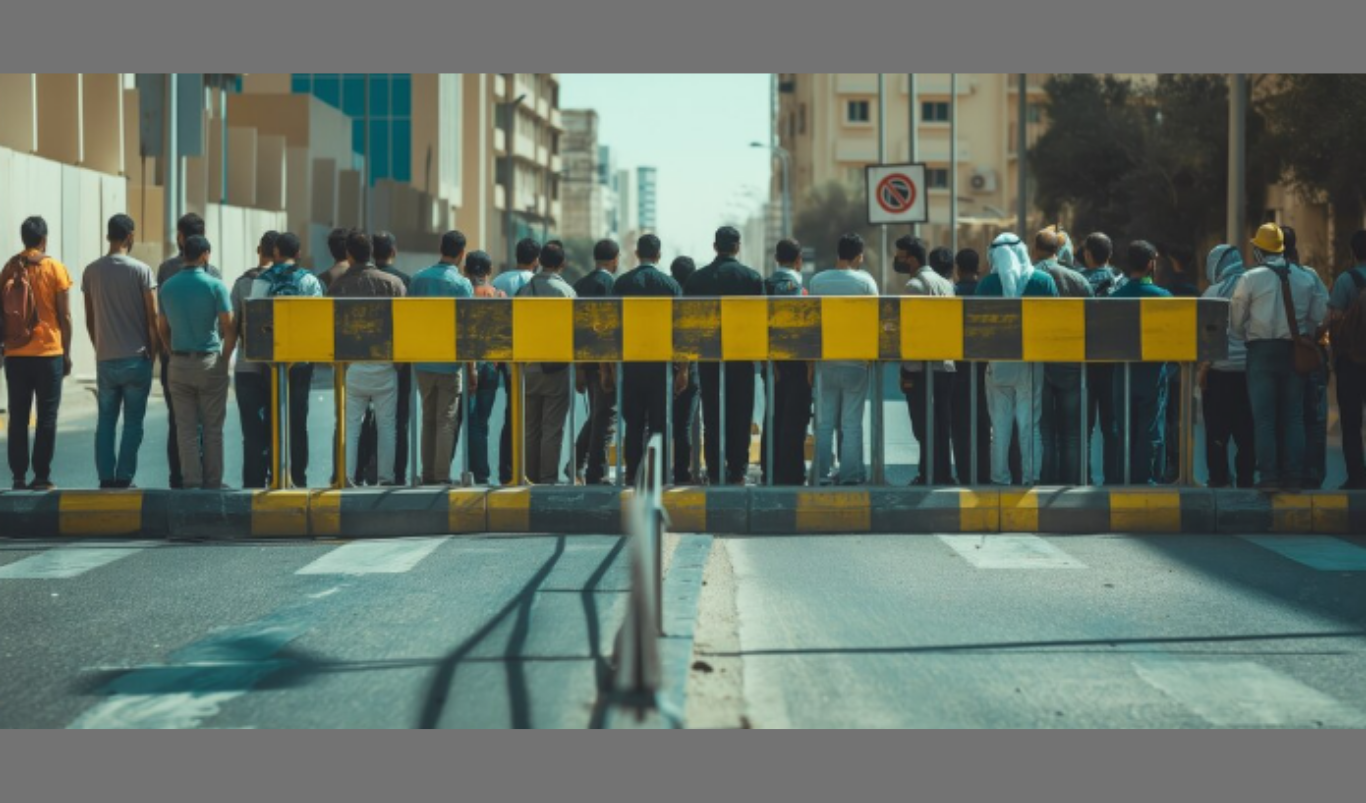
This thinking applies whether you’re running a bank with a single teller queue, a festival with multiple entry points, or a retail store during a sale event. The principles of structured flow are consistent: define the path, communicate the expectation, and use physical tools to guide behaviour without confrontation.
For business owners looking to understand how physical safety fits into the broader picture of operational risk and strategy, exploring resources on business operations can provide useful context on how safety investments align with overall commercial performance.
What Effective Crowd Management Looks Like in Practice
A queue managed well is almost invisible. Customers move through it naturally, without confusion or frustration, because the physical environment makes the intended path obvious. That’s the goal. Poor queue management, by contrast, creates bottlenecks, arguments, staff intervention, and in extreme cases, injuries from pushing and crowding.
The most effective crowd management setups are designed with the customer journey in mind from entry to service point or exit. They account for peak periods, not just average traffic. They create dedicated lanes where needed, keep emergency exits clear, and are reconfigurable quickly when conditions change.
Getting there doesn’t require a large budget or a specialist consultant. For most businesses, it means selecting the right barrier type for the environment, deploying enough units to define the path clearly, and reviewing the setup after the first few busy periods to refine what’s working and what isn’t.
Choosing the Right Crowd Control Solution
The range of crowd control products available has expanded significantly. Retractable belt barriers, rope barriers with premium chrome posts, and configurable stanchion systems all serve different environments and aesthetic needs. A luxury retail setting has different requirements to a stadium concourse or a hospital waiting room, and choosing the wrong product for the context can undermine both the safety and the brand impression you’re trying to create.
Retractable belt barriers are the workhorses of crowd management: affordable, flexible, and reconfigurable in seconds. Rope barriers with velvet or twisted ropes and polished posts project a premium aesthetic that suits high-end retail, hotels, and exclusive event environments. Wall-mounted options work well where floor space is limited. Whatever the context, the principle remains the same: the barrier should guide people naturally, without requiring signage or staff intervention to make it work.
Retail Display Direct offers a well-stocked range of crowd control barrier posts that includes both retractable and rope barrier options, with same-day dispatch available on most orders. For businesses managing everything from a single reception queue to a complex multi-lane setup, having access to a supplier that carries real depth of range and ships quickly across Australia makes the procurement process considerably simpler.
From People Flow to Perimeter Protection
Once foot traffic inside and around a building is managed, the next layer of physical safety planning turns to the external environment. Vehicle incidents involving buildings, storefronts, and pedestrian areas are more common than many business owners realise. Whether the cause is an accident, a driver error, or a deliberate act, the consequences for an unprotected commercial property can be catastrophic.
This is where perimeter security infrastructure, and specifically bollards, enters the conversation. Bollards do a job that barriers and signage simply cannot: they create a physical barrier capable of stopping a vehicle. And they do it in a form that, depending on the product selected, is barely noticeable in the day-to-day environment.
It’s also worth noting that perimeter protection and crowd control systems often work in tandem. Bollards define the vehicle exclusion zone. Barriers manage where pedestrians walk within it. Together, they create a layered approach to site safety that covers both the internal and external environment comprehensively.
Understanding Bollard Options for Different Business Needs
The range of bollard types available reflects the diversity of business environments that need them. Not every application requires a permanent, ground-anchored installation. Not every environment suits an industrial-looking galvanised steel post.
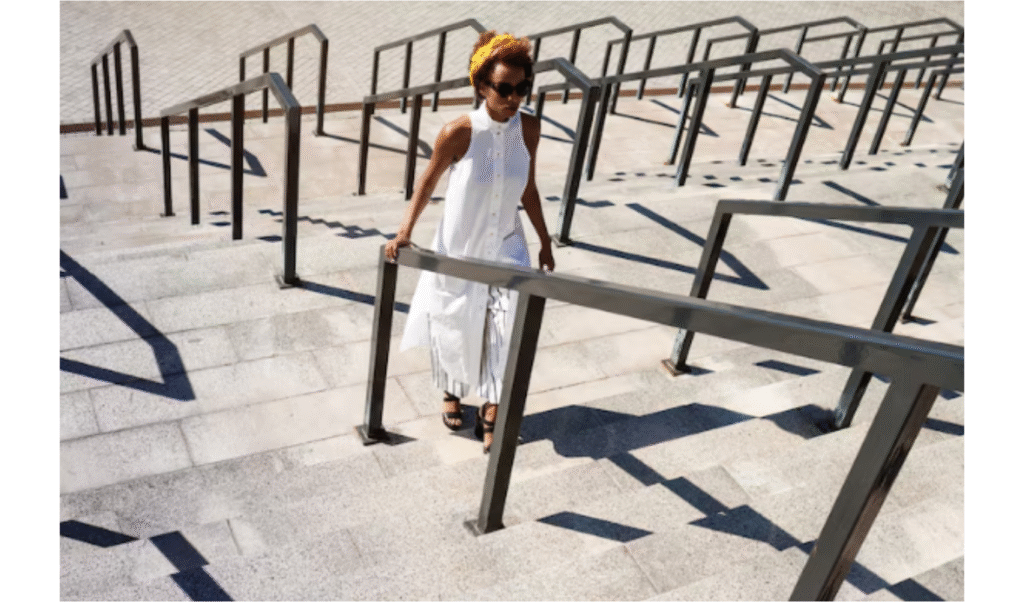
Surface-mounted bollards can be installed without core drilling and work well for businesses that rent their premises or need a solution that doesn’t require significant structural work. Removable security bollards offer flexibility for businesses that need to allow periodic vehicle access while maintaining security at other times. Stainless steel options provide a polished, low-maintenance finish that suits commercial and architectural applications. Fold-down bollards can be used to manage access without requiring removal and storage.
Safety Sector supplies a comprehensive range of bollards designed for commercial and industrial applications across Australia, including surface mounted, removable, permanent, and fold-down variants. Their product range covers the full spectrum from functional galvanised posts to high-finish stainless steel options, which means businesses can match both the protective performance and the aesthetic requirements of their specific site.
The Compliance and Liability Case for Acting Now
Beyond the obvious safety benefits, there’s a clear compliance and liability argument for getting physical infrastructure right. Work health and safety regulations in Australia require businesses to take reasonably practicable steps to eliminate or minimise risks to the health and safety of workers and others. A documented risk assessment that identifies vehicle access as a hazard, followed by no action, is a difficult position to defend if an incident occurs.
The cost of installing appropriate barriers and bollards is almost always far lower than the cost of a single incident that could have been prevented. Insurance premiums, legal defence costs, compensation claims, and the human cost of a serious injury all dwarf what even a comprehensive physical safety installation would cost. Framed this way, physical safety infrastructure isn’t an operational expense. It’s risk management that pays for itself.
Making Physical Safety a Planned Investment
The businesses that handle physical safety best treat it as a proactive, planned investment rather than a reactive patch applied after something goes wrong. They audit their spaces annually, they think about both normal operations and peak traffic scenarios, and they upgrade their equipment as the business evolves.
This doesn’t have to be an expensive or complex process. Many businesses can meaningfully improve both crowd management and perimeter security for a fraction of what they spend on digital security tools. The key is starting with an honest assessment of where the risks actually are, then matching the right product category to each identified hazard.
Physical Safety Is a Business Decision, Not Just a Compliance Box
The strongest argument for investing in physical safety infrastructure isn’t the regulatory one, though that matters. It’s the business one. Customers who feel safe in your environment trust you more. Employees who work in well-managed spaces have better morale and fewer injuries. A commercial property with proper perimeter protection is less vulnerable to incidents that can disrupt operations for days or weeks.
Physical safety infrastructure is one of those investments that quietly pays dividends across multiple areas of the business simultaneously, without ever announcing itself unless something goes wrong and it isn’t there.
Frequently Asked Questions
What types of businesses most benefit from crowd control barriers?
Virtually any business that experiences queuing or high foot traffic can benefit. Retail stores, banks, airports, hospitals, hotels, event venues, and government service centres all regularly use barrier systems to manage pedestrian flow safely and efficiently. Even smaller businesses with occasional peak periods can benefit from a modest, reconfigurable system.
What is the difference between a retractable barrier and a rope barrier?
Retractable barriers use a belt that extends and retracts from a cassette inside the post, making them fast to set up, easy to reconfigure, and practical for everyday use. Rope barriers use a detachable rope between posts and are generally chosen for aesthetic reasons in premium environments like luxury retail, hotels, and fine dining venues, where the look and feel of the barrier matters as much as its function.
What’s the right bollard type for a retail shopfront?
Surface-mounted or removable bollards are popular for retail shopfronts, as they don’t require permanent ground installation and can be adjusted if the layout changes. Stainless steel variants are a common choice for their low maintenance requirements and clean appearance. The best option depends on your specific site, including the surface type, vehicle access requirements, and aesthetic preferences.
Are bollards required by law for commercial properties?
There is no universal mandate requiring bollards for all commercial properties, but work health and safety obligations require businesses to assess and manage foreseeable risks. Where vehicle access to pedestrian areas is a realistic hazard, failing to take action after identifying the risk creates significant legal exposure. Many local councils also have requirements for specific types of public-facing commercial properties.
How often should businesses review their physical safety infrastructure?
A formal review at least annually is good practice, with additional reviews triggered by changes to the premises, significant changes in foot traffic patterns, or any near-miss or incident. Businesses that expand their operations, relocate, or undergo renovation should treat the new configuration as an opportunity to assess safety infrastructure from scratch.
Can physical safety products be purchased and installed without specialist contractors?
Many crowd control barrier products require no installation at all and are simply positioned and repositioned as needed. Surface-mounted bollards typically require basic drilling and anchoring, which is within the capability of a competent handyperson. Permanent embedded bollards generally require professional installation. Most reputable suppliers provide clear installation guidance with their products.
Article received via email