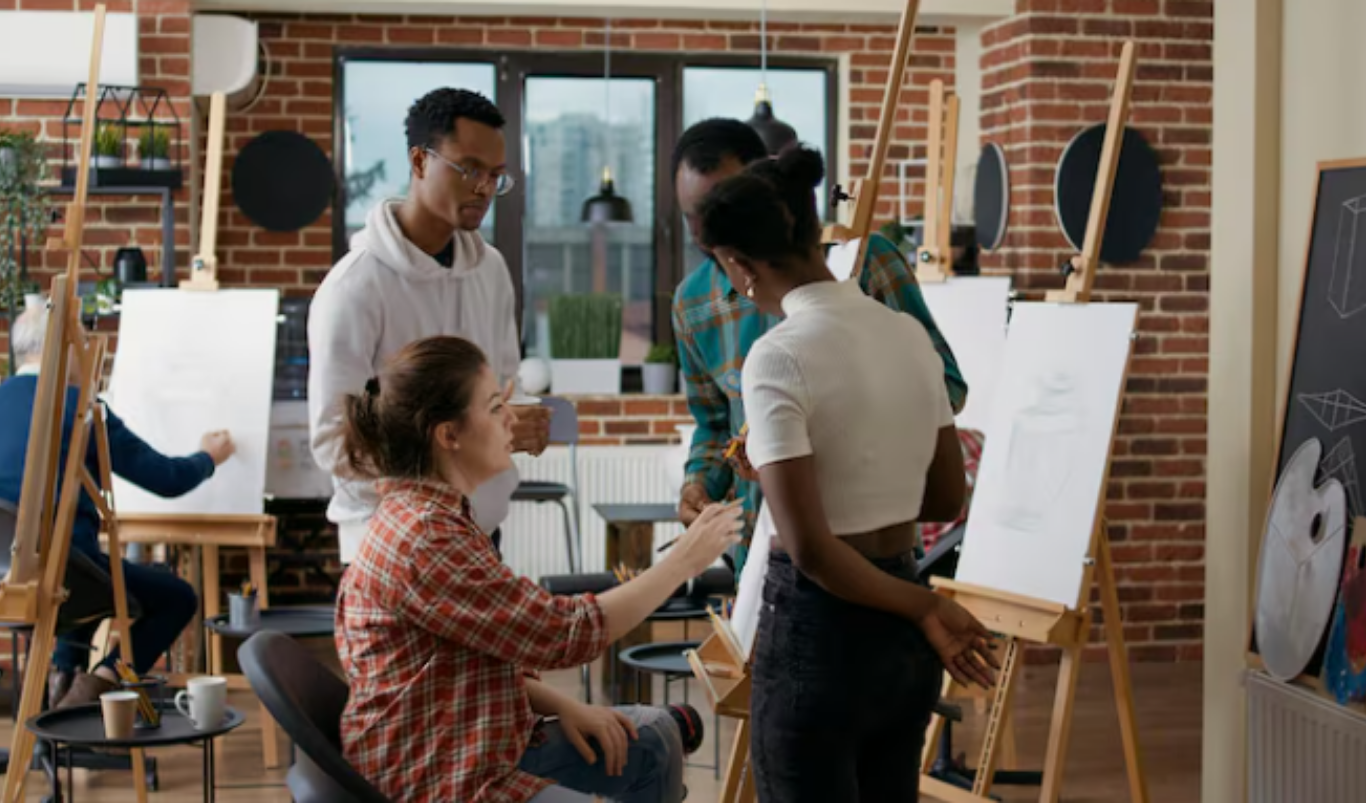
Something unusual has been happening in workplaces, homes, and community spaces across the globe. People who never considered themselves artists are buying brushes, stretching canvases, and spending their evenings making things with their hands. It’s not just a hobby trend. It’s an economic movement with serious market numbers behind it, and businesses are starting to take notice.
The creative wellness sector has quietly grown into one of the most dynamic corners of the global wellness economy, which the Global Wellness Institute now values at over USD 5.6 trillion and expects to reach USD 8.5 trillion by 2027. Understanding what’s driving the demand for creative pursuits, and how that demand is reshaping markets from art supplies to workplace design, has become genuinely relevant for business leaders and investors alike.
Key Takeaways
- The global wellness economy exceeded USD 5.6 trillion and is projected to reach USD 8.5 trillion by 2027, with creative wellness among its fastest-growing components
- Creative hobbies like painting, drawing, and textile crafts have seen significant participation growth, particularly since 2020
- Research consistently links regular creative practice to reduced cortisol levels, improved focus, and measurable gains in workplace productivity
- The global art supplies market is expanding steadily, driven by both amateur participation and the professional maker economy
- Businesses that support employee creative pursuits are seeing returns in retention, morale, and innovation performance
From Fringe to Mainstream: The Creative Economy’s Quiet Surge
Not long ago, creative hobbies occupied a very specific cultural space: they were for art students, retired hobbyists, and a fairly defined niche of enthusiasts. That picture has changed substantially. Post-pandemic shifts in how people think about leisure, wellbeing, and the use of time at home accelerated a trend that had already been building for years.
Participation in crafting, painting, and other creative pursuits grew sharply from 2020 onwards as people sought meaningful, tactile activities during extended periods at home. What’s significant from a market perspective is that the participants who discovered these hobbies during that period largely continued them. Hobby adoption patterns typically decline once the initial stimulus passes, but creative pursuits proved unusually sticky.
The Science Behind the Resurgence
The growing body of research on creativity and brain function helps explain why. Engaging in a creative task, particularly one that requires focus and produces a tangible result, activates neural pathways associated with reward, flow states, and stress reduction. Studies have shown that creative practice can measurably reduce cortisol, the primary stress hormone, even after relatively short sessions.
This has direct implications for workplace productivity. Employees who engage in regular creative hobbies outside work demonstrate improved problem-solving ability, greater cognitive flexibility, and lower reported burnout rates. These aren’t soft anecdotal claims. They’re showing up in peer-reviewed research across psychology, occupational health, and organisational behaviour journals.
Where This Fits Into the Broader Business Picture
The financial and commercial implications of this shift run deeper than the art supply aisle. Companies in sectors as diverse as corporate wellness, workspace design, retail, education, and tourism are all adapting their offerings to meet rising demand for creative engagement. Wellness retreats now routinely incorporate painting workshops. Corporate team-building budgets increasingly fund creative sessions rather than traditional activities. Art therapy services are being integrated into employee assistance programmes.For business professionals tracking where meaningful growth sectors are emerging, the intersection of creativity and wellbeing is worth a close look. Exploring coverage of business trends across industries reveals how broadly this shift is influencing commercial strategy, from product development to employee benefits design.
Watercolour’s Particular Resurgence
Within the broader creative movement, watercolour has earned a notable place. Its appeal spans demographics in a way that few other mediums match. It requires minimal setup, produces immediate visible results, and has a quality of unpredictability that experienced practitioners find endlessly engaging. For beginners, that same unpredictability means a certain pressure is removed: the medium almost always produces something interesting, even before technical skill develops.
Social platforms have amplified its visibility considerably. Watercolour content performs strongly on Instagram, Pinterest, and YouTube, where time-lapse painting videos regularly attract millions of views. This social visibility has accelerated participation particularly among younger demographics who might not have encountered the medium through traditional art education channels.
The global art supplies market, valued at approximately USD 9.5 billion as of 2024, has registered consistent growth with watercolour and general painting supplies among the strongest performing sub-categories. Specialist retailers across Australia and internationally have seen meaningful uplift in both the volume and average spend per transaction, with consumers increasingly willing to move from budget to quality materials as their interest develops.
The Quality Question in Art Supplies
One of the more commercially interesting dynamics in the art supplies market is the pattern of quality migration. Beginners typically start with the most accessible, affordable option available. But as engagement deepens, there’s a well-documented tendency to upgrade. The dissatisfaction that comes from working with materials that don’t respond predictably, that produce muddy colours or inconsistent washes, is often what prompts the move to better products.
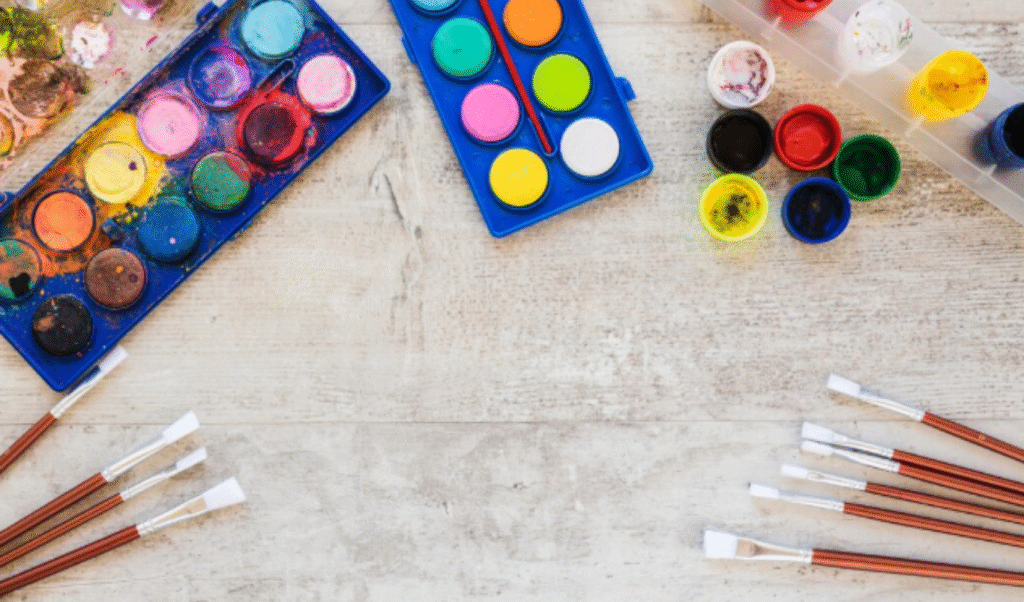
For retailers, understanding this cycle changes how you think about the customer relationship. The person buying a beginner set today is potentially a high-value repeat customer within six to twelve months. Building loyalty at the entry level, through good advice, reliable stock, and a clear upgrade path, converts a transactional sale into a long-term relationship.
This upgrade cycle is significant for both consumers and retailers. A well-curated watercolour paints range that caters to multiple levels of experience, from student-grade starter sets through to professional artist pigments, is positioned to capture this journey rather than just the entry point. Craft Online provides this kind of depth, offering a broad Australian selection that serves both the curious beginner and the committed practitioner with the range and accessibility to make the right choice at each stage.
What Smart Businesses Are Doing With This Data
Forward-thinking employers are already acting on the research. Companies like Google, Nike, and various Australian enterprises have incorporated creative programming into their workplace culture, not as an aesthetic gesture but as a measured investment in employee performance metrics. The results are being documented: teams that engage in structured creative activities report higher psychological safety, better collaborative output, and lower voluntary turnover.
For smaller businesses, the investment doesn’t need to be large to be meaningful. A monthly creative session for staff costs a fraction of what a single resignation and replacement process does. And the benefits, in terms of team cohesion and individual resilience, compound over time in ways that are increasingly well supported by data.
The Retailer and Supplier Opportunity
From a pure commercial standpoint, the growth in creative participation creates a layered market opportunity. At one end, there’s the volume play: more participants means more entry-level product sales. At the other, the quality migration pattern creates margin opportunity as engaged hobbyists invest more per purchase in better materials.
The most successful specialist retailers in this space have understood that their competitive advantage isn’t just range. It’s knowledge. Customers who feel genuinely guided by a retailer, who trust that the recommended product will actually improve their experience, are customers who return and refer. In a market growing as consistently as art and craft supplies, building that trust early represents a significant long-term commercial position.
Creative Wellness Is Here to Stay
The data points in one consistent direction: creative engagement is not a passing trend. It’s responding to genuine psychological and social needs that aren’t going away, and the commercial infrastructure around it continues to mature and professionalise.
For businesses across the spectrum, whether you’re a workplace benefits manager, a product retailer, a wellness operator, or an investor scanning for growth sectors, the creative economy represents a meaningful and expanding opportunity. The fact that it’s rooted in something as fundamental as the human need to make things gives it a durability that trend-driven markets rarely sustain.
The world is picking up a paintbrush. That’s a business story as much as it is a personal one.
Frequently Asked Questions
What is the global art supplies market worth?
The global art supplies market was valued at approximately USD 9.5 billion in 2024 and has been growing steadily, driven by rising participation in creative hobbies among both recreational users and professional makers. Painting supplies, including watercolour, are among the strongest performing segments within that market.
Why are employers investing in creative wellness programmes?
Research consistently links creative practice to reduced stress, improved problem-solving, and lower burnout rates. Employers are increasingly recognising that supporting creative engagement outside work, or building it into workplace culture, delivers measurable returns in productivity, employee retention, and team cohesion.
Is watercolour suitable for complete beginners?
Yes. Watercolour is considered one of the more accessible mediums for beginners because it requires relatively little equipment, produces visible results quickly, and is forgiving in the sense that its characteristic softness and blending make imperfections part of the aesthetic. Most people who try it produce something they’re happy with much sooner than they expect.
What’s the difference between student-grade and professional watercolour paints?
Student-grade paints use lower pigment concentrations and may include fillers that affect colour vibrancy and lightfastness. Professional-grade paints use higher pigment loads, which produce richer, more layered washes and colours that remain stable over time. The difference in experience is significant, and most serious hobbyists move to professional or artist-grade paints as their practice develops.
How is the wellness economy connected to the art supplies market?
The wellness economy encompasses a broad range of practices and products that people use to manage mental, physical, and emotional health. Creative hobbies including painting, drawing, and crafting have been formally recognised as wellness practices due to their documented stress-reducing and cognitive benefits. This classification is driving crossover investment and marketing strategies between the wellness and art supply sectors.
What should a business consider before investing in employee creative programming?
Start with a simple pilot: a single session or short series rather than a committed ongoing programme. Measure participation rates and gather qualitative feedback from attendees. Cross-reference with any existing engagement or wellbeing survey data to look for signal. The investment threshold is low enough that most businesses can generate real data before making a larger commitment.
Article received via email