Orthodontic care in Australia no longer means one standard set of metal braces. Clear aligners, ceramic brackets, lingual systems, and digital scans give patients more control over appearance and appointment load.
Choice helps, but it can also blur the real question. The best option depends on the bite problem, patient follow-through, and total cost, including retainers.
A clinical assessment matters more than brand marketing. In Brisbane, a local dentist or specialist orthodontist can compare aligners and braces against your bite, budget, and treatment goals. For patients exploring discreet fixed options, understanding lingual braces costs and clinical expectations before the first appointment is a practical starting point.
Key Takeaways
The right treatment matches the diagnosis, the daily routine, and the budget you can sustain, particularly when hidden fixed options raise questions about speech, cleaning access, case complexity, public-facing work, likely comfort, review frequency, retainer demands, overall fees, and timelines.
- No single appliance is best for every case. Fixed braces still handle the toughest bite changes.
- Active treatment usually lasts one to three years. Retainers are essential after that.
- Clear aligners work best for mild to moderate cases. They need consistent wear to stay on track.
- Lingual systems are the most discreet fixed option. They cost more and can affect speech early on.
- Remote monitoring can cut routine visits and support hygiene. It does not reliably shorten total treatment time.
- Extras coverage may offset part of the fee. Waiting periods and lifetime limits still apply.
What Modern Orthodontics Actually Means
Modern orthodontics combines digital planning with several appliance types, so the treatment plan matters more than the brand name.
Patients usually see five common options, each with different strengths in control, appearance, and maintenance.
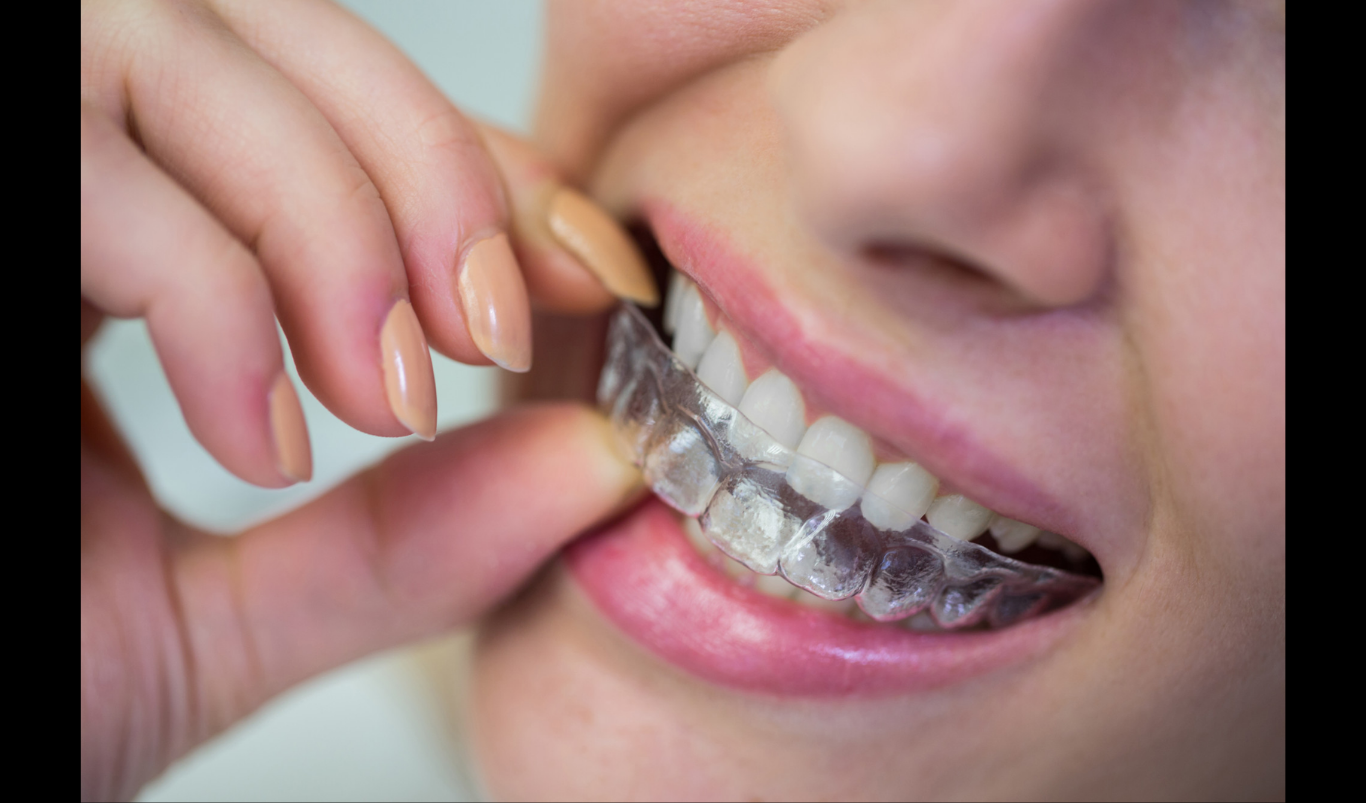
- Clear aligners: Removable trays planned from a 3D scan. They suit mild to moderate crowding or spacing, but success depends on wearing them as directed.
- Ceramic braces: Tooth-coloured brackets that work like metal braces while drawing less attention in photos and conversation.
- Metal braces: The most durable fixed option and usually the best value for complex movements, deep bites, or strong rotations.
- Self-ligating braces: Brackets with a built-in clip instead of elastic ties. Studies have not shown a clear advantage in pain or total treatment time.
- Lingual systems: Fully custom brackets placed on the tongue side of the teeth. They are discreet, but the tongue needs time to adapt.
- Digital workflow: Intraoral scans, 3D-printed models, and app-based check-ins that can reduce office visits and simplify records.
A Decision Framework: Case, Lifestyle, Budget
Diagnosis comes first, then appearance, routine, and price.
A clinician looks at tooth movement, bite correction, gum health, and growth stage before talking about aesthetics. Compliance means how reliably a patient can wear aligners for the required hours or keep fixed braces clean.
| Factor | Clear Aligners | Ceramic Braces | Metal Braces | Lingual Systems |
|---|---|---|---|---|
| Mild crowding | Excellent | Good | Good | Good |
| Complex bite correction | Limited | Strong | Strongest | Strong |
| Visibility | Near invisible | Subtle | Most visible | Hidden |
| Compliance demand | High | Low | Low | Low |
| Indicative AU cost | $4,500-$8,000+ | $5,000-$8,500 | $4,500-$8,000 | From $9,000 |
Clear aligners can deliver strong results in simpler cases, but complex corrections still favor fixed appliances. Reviews that pool multiple studies also show aligners may finish with slightly less precision when small bite details need fine control.
Patients in Brisbane’s southside considering lingual or ceramic options can book a clinical comparison with a Mt Gravatt dentist to weigh treatment fit and total cost against their specific bite and budget before committing.
The Digital Workflow Changing Everyday Care
Digital tools make treatment easier to monitor, but they do not replace chairside diagnosis.
Intraoral scanners have mostly replaced putty impressions, which improves comfort and reduces remake risk. In-house 3D printing can speed up models and retainers, and early pilot work suggests directly printed aligners may be workable for mild cases, though evidence is still limited.
Remote monitoring is the change patients notice most. A 2024 systematic review found it cut in-office visits by about two to four appointments, with no consistent proof of shorter treatment, and prospective clinical data found better plaque control than standard follow-up alone.
Costs, Cover, And Getting Started In Australia
The sticker price is only part of the cost, because cover limits and retainers shape the final bill.
Australians do not need a referral to book a private orthodontic assessment. Before signing up, confirm the provider is listed as a specialist orthodontist on the AHPRA register.
The Australian Society of Orthodontists recommends a first specialist check between ages eight and ten. That does not always lead to early braces, but it can catch growth or bite issues early.
Private extras cover for orthodontics usually includes a 12-month waiting period and a lifetime cap, while Medicare does not cover treatment. Ask for the full fee, the payment schedule, and the retainer plan before you start.
Australian regulators and the ADA have warned against unsupervised direct-to-consumer tooth movement, and the ACCC has acted over misleading insurance claims in this area. A safe plan includes in-person exams, X-rays when needed, and clear rules for what happens if treatment stalls. Brisbane readers still deciding should confirm the provider is listed as a specialist orthodontist on the AHPRA register before booking.
FAQs
Most final questions are about time, funding, and what happens after active treatment.
Are aligners faster than braces?
Not by default. Treatment time depends more on case complexity and wear time than on appliance type, and both commonly run one to three years.
Does Medicare cover orthodontics in Australia?
No. Payment usually comes through private extras cover, which may include a 12-month wait and a lifetime benefit cap.
What is the real commitment for retainers?
Retainers are a long-term obligation, usually worn nightly after active treatment. Skipping them increases the risk of relapse.
Article received via email