Retirement planning has gone through a quiet reckoning over the past few years. The old formula of stocks and bonds, balanced according to age, has been bruised by simultaneous losses on both sides of the portfolio during inflation shocks. More retirees and near-retirees are looking at alternative allocations than at any point since the 1970s, and precious metals have returned to the conversation. The current silver price on a chart like SD Bullion’s is now being evaluated not just by active traders but by readers thinking about their sixties and seventies, which is a very different analytical exercise.
Why Retirement Changes the Math
A retiree’s relationship with volatility is different from a thirty-year-old’s. Drawdowns cannot be offset by future earnings because earnings have ended. Sequences matter enormously: a bad decade at the start of retirement is far more damaging than the same decade later on, because withdrawals compound the losses. Any asset with silver’s volatility profile requires careful thought about sizing and timing when it enters a retirement context that does not have the luxury of waiting out a prolonged drawdown.
The Internal Revenue Service publishes detailed guidance on what kinds of precious metal products are eligible for inclusion in individual retirement accounts under US tax law. Understanding those rules is essential before making any silver allocation decision within a tax-advantaged account, because mistakes can be expensive and difficult to reverse.
The Case for Some Silver in Retirement Portfolios
The strongest case for silver in a retirement portfolio is diversification. Silver’s returns are weakly correlated with equities over long time frames and genuinely uncorrelated during certain stress episodes. A small allocation can therefore reduce portfolio volatility without sacrificing expected return, which is exactly the property a retiree wants. The current silver price, however dramatic its recent moves, is only one input to that calculation; the more important question is whether the long-term relationship between silver and other portfolio holdings still behaves the way historical data suggests.
The Case Against Going Big
The strongest case against a large silver allocation in retirement is the same volatility that makes it a useful diversifier at small size. A fifteen-percent silver allocation is an aggressive bet that retirees rarely have the emotional tolerance to hold through a bear market. A three-to-five percent allocation can add diversification benefit without introducing the kind of swings that force a sale at the wrong moment. Most retirement specialists who accept precious metals at all tend to settle in this lower-range territory, sometimes split between gold and silver rather than concentrated in one.
IRAs, Custodians, and the Rules
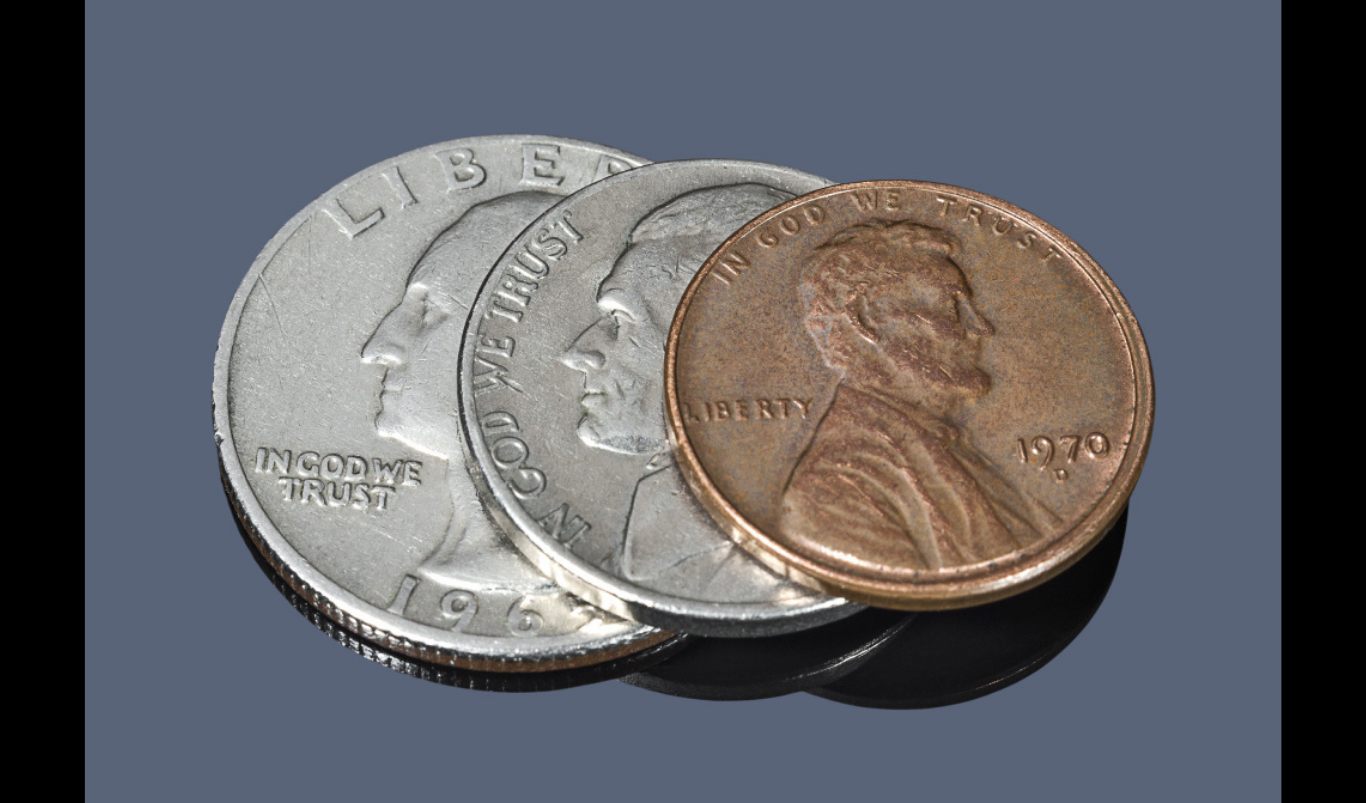
Adding silver to a retirement account in the United States requires a self-directed IRA, a qualified custodian, and physical metal that meets specific fineness and product requirements. Standard bullion coins like American Silver Eagles qualify; many numismatic coins do not. The custodian holds the metal at an approved depository; home storage of IRA-held metal is not permitted under current rules despite what some promotional materials claim. The current silver price matters for the purchase decision, but the operational rules matter at least as much for whether the allocation is actually legal and sustainable.
Timing Questions Retirees Actually Ask
The most common question from near-retirees considering a silver allocation is whether the current silver price is a good entry point after the sharp rally of the past two years. The honest answer is that entry timing matters less than position sizing and holding discipline. A well-sized allocation can tolerate buying at a local top because its purpose is diversification across decades rather than short-term price appreciation. A poorly sized allocation will generate regret regardless of entry price because the first uncomfortable drawdown will force a sale. Sizing is the decision to get right; timing is the one to stop agonizing over.
Physical Versus Paper in a Retirement Context
Paper silver through an exchange-traded fund is simpler to hold in a standard brokerage retirement account than physical metal in a self-directed IRA. For most retirees, the ETF route is the practical choice unless they specifically want physical ownership and are willing to accept the operational complexity that comes with it. Some retirees hold both: a small physical position outside retirement accounts for the tail-risk scenarios that metals are supposed to hedge, and a paper position inside retirement accounts for the diversification benefit. The combination is not elegant but it is robust.
The Rebalancing Discipline
Any allocation to silver in a retirement portfolio should come with a predetermined rebalancing rule. When the current silver price moves sharply higher and the allocation grows beyond its target share, trim back to the target. When it moves sharply lower and the allocation shrinks, top up. This mechanical discipline removes emotion from allocation decisions and forces the buy-low, sell-high behavior that human beings famously struggle to execute voluntarily. It is a boring rule, and it outperforms most tactical approaches over long time frames.
A Conversation Worth Having
Retirees considering silver should have the conversation with a financial advisor who actually understands precious metals rather than one who dismisses them as a fringe interest. The dismissive frame has been increasingly out of step with the post-2020 investment landscape, and an advisor who cannot discuss silver as a legitimate component of a retirement portfolio may be missing something important about how markets have evolved. The current silver price is a reasonable entry point for that conversation rather than a conclusion; what matters is the framework that decides whether an allocation makes sense at all.
Related retirement coverage on our site: the mechanics of self-directed IRAs, building a bond ladder for income, and rebalancing disciplines that survive real market cycles.
Article received via email