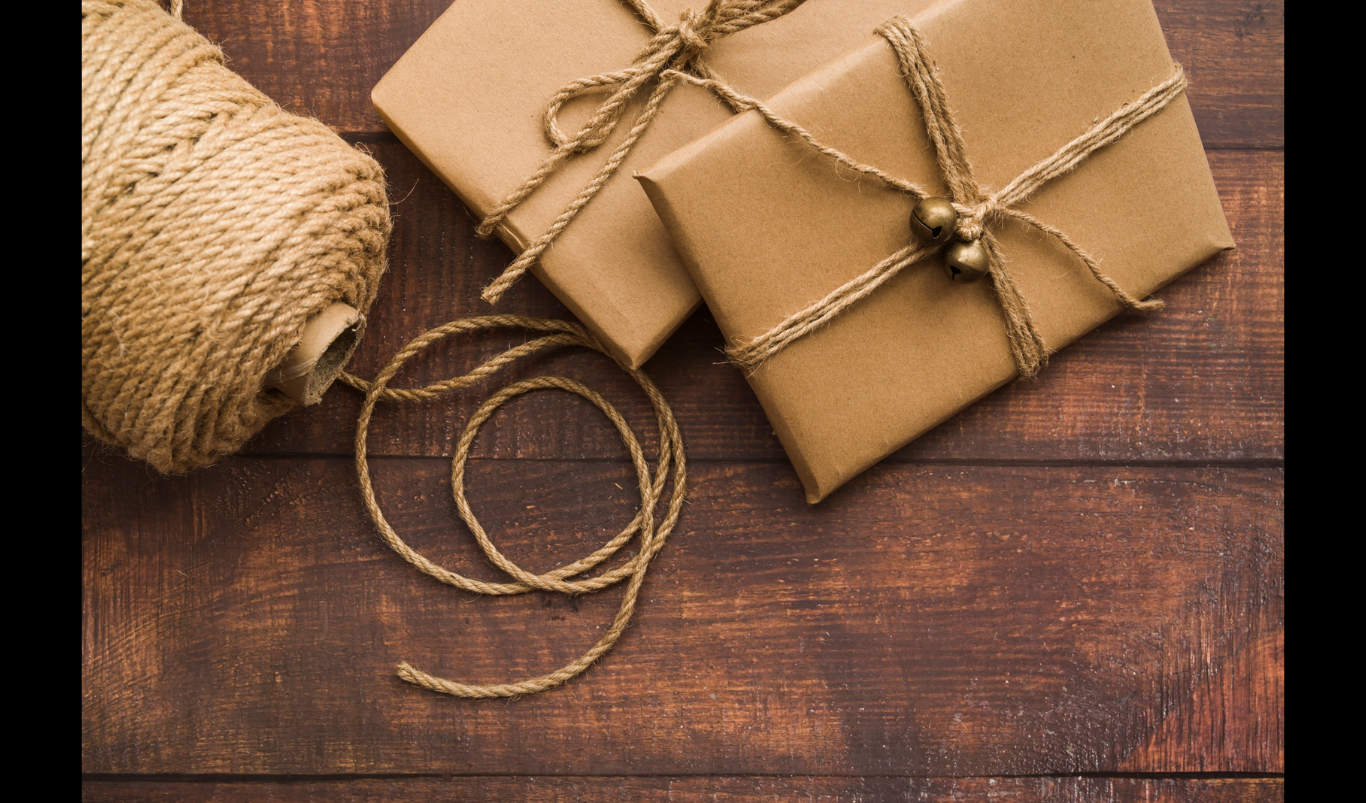
Every box, bag, and bubble wrap tells a story. And right now, that story is one of waste — global plastic packaging waste exceeded 141 million tonnes in 2021, according to OECD data. Businesses of all sizes are rethinking how they wrap, ship, and present their products. The good news? Switching to eco-friendly packaging is not only possible — it can actually benefit your bottom line.
Start With Your Current Packaging Audit
Before changing anything, look at what you already use. Write it down — every material, every layer, every filler.
Ask yourself: Is this necessary? Can it be reduced? You may discover that 30% of your packaging is purely decorative and completely removable.
Understand the Key Material Options
Not all “eco” packaging is equal. Some materials are genuinely sustainable; others are greenwashing in disguise.
Recycled Cardboard and Paper
Simple. Widely available. Effective. Cardboard made from recycled fiber uses up to 75% less energy than virgin cardboard production. It is biodegradable, lightweight, and accepted in almost every curbside recycling program globally.
Compostable Mailers and Bags
These break down in industrial composting facilities — typically within 90 to 180 days. They look like plastic but behave very differently at the end of life. The catch: they require the right disposal conditions, which not every customer has access to.
Mushroom Packaging (Mycelium)
Grown from agricultural waste and fungal roots, mycelium packaging is 100% home-compostable. IKEA and Dell have already adopted it at scale. It is moldable, durable, and carbon-negative to produce. Smaller businesses are starting to access it through specialty suppliers.
Plant-Based Plastics (PLA)
Derived from corn starch or sugarcane. Looks like regular plastic — and that is both its strength and its weakness. PLA requires industrial composting; it does not break down in landfills or home compost bins. Misleading without clear labeling.
Glass and Aluminum
Infinitely recyclable. Heavy, which raises shipping emissions. Best for local distribution models or premium products where reuse is part of the brand story.
Think About the Full Life Cycle
A material that is “recyclable” is not automatically eco-friendly. You have to consider the whole picture: production, transport, customer behavior, and end of life.
According to a 2023 report by McKinsey, less than 20% of plastic packaging is collected for recycling globally. That means recyclable labels mean little if infrastructure does not support them. Design for the most likely disposal outcome in your target market.
Choose Packaging That Communicates Your Values
It’s not always obvious, but customers notice. It’s about design, materials, and the overall message. How do you find the perfect option? The best way is to create several high-quality packages and ask people. Marketers should be aware that they can reach new people and talk about anything. And yes, chat on CallMeChat can be used for more than just entertainment. If you connect online via video, you can show the packaging, see real reactions, associations, and so on.
Packaging isn’t just protection—it’s a message. Use it intentionally. Print your eco-credentials directly on the box. Explain how to dispose of materials. Make the customer feel like a participant in something good.
Work With Certified Suppliers
Look for suppliers with verified environmental certifications. The Forest Stewardship Council (FSC) label ensures paper products come from responsibly managed forests. The Sustainable Forestry Initiative (SFI) serves a similar purpose.
For compostable materials, look for the TÜV Austria OK Compost or BPI certification marks. These are not just logos — they represent independently tested performance standards.
Calculate the Real Cost (It Is Closer Than You Think)
Many businesses assume eco packaging is too expensive. Often they are wrong.
Reducing packaging volume cuts material costs. Lower weight reduces shipping costs. And customer loyalty — driven by brand values — reduces customer acquisition costs. A 2021 Nielsen report found that brands with sustainability credentials grow 5.6 times faster than those without. The math starts to look different when you zoom out.
Final Thought
Choosing eco-friendly packaging for your business is not a single decision. It is a direction. Small choices compound over months and years into something genuinely meaningful — for the environment, for your brand, and for the customers who choose you over someone else. Start where you are. Improve what you can. And keep going.
Article received via email