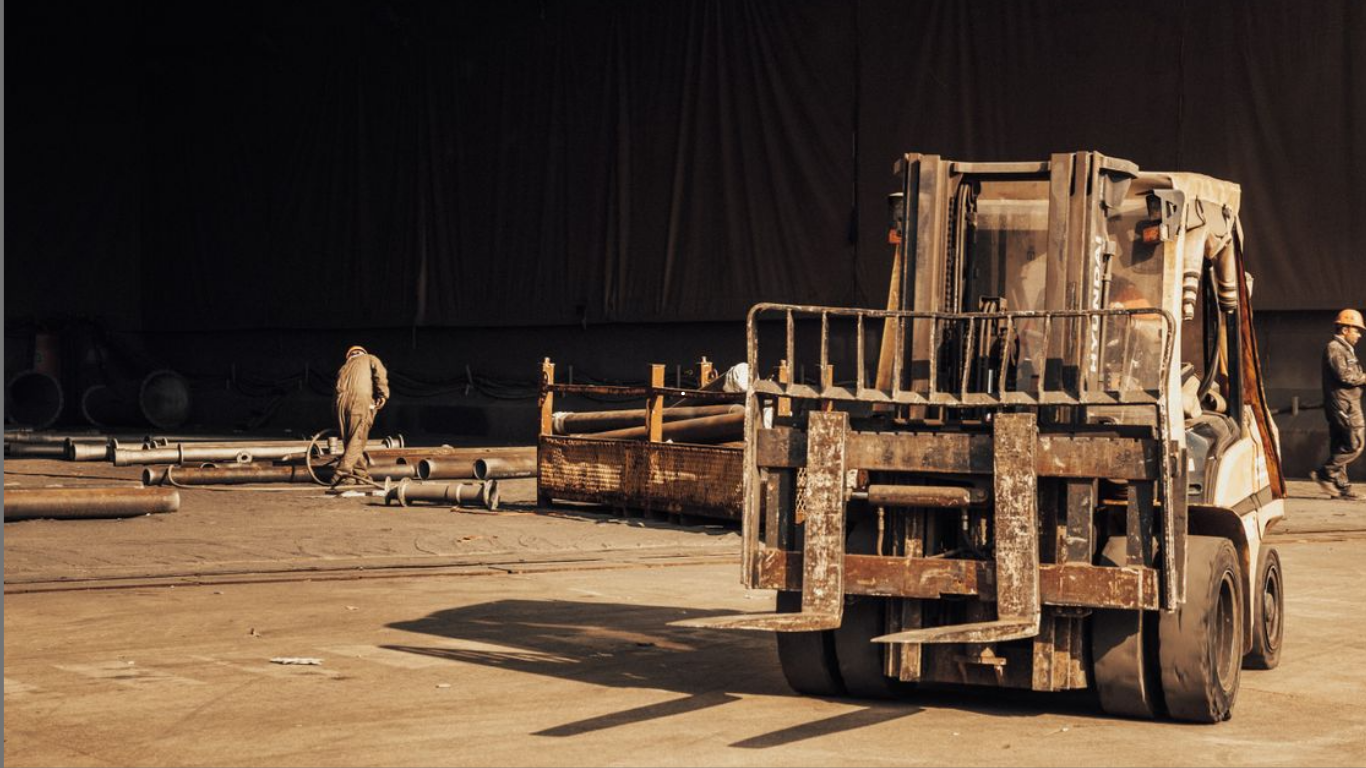
Forklifts are the backbone of countless warehouses, manufacturing facilities, distribution centers, and logistics operations. Every day, these machines move heavy loads, streamline workflows, and help businesses maintain productivity. When forklifts perform efficiently, operations run smoothly. However, when equipment experiences mechanical problems, even a small issue can lead to delays, downtime, and increased costs.
Some companies focus solely on finding the lowest-cost replacement parts. While this may seem like a good way to save money initially, inferior components can create performance issues, increase maintenance needs, and shorten the lifespan of the equipment. Investing in quality replacement parts helps protect both the forklift and the business that relies on it.
Understanding why quality matters is the first step toward building a more reliable and cost-effective maintenance strategy.
High-Quality Parts Help Maintain Reliable Forklift Performance
Consistent performance is essential in material handling environments. Forklifts are expected to operate safely and efficiently throughout the workday, often under challenging conditions. When replacement components fail to meet proper standards, equipment performance can quickly suffer.
Compatibility is one of the most important factors when selecting replacement parts. Components designed specifically for a forklift’s make and model are more likely to fit correctly and perform as intended. For example, businesses operating Crown equipment often choose high-quality Crown forklift parts from trusted suppliers to help maintain manufacturer specifications, support dependable operation, and reduce the risk of premature wear or equipment failure.
Using quality components is not just about fixing problems. It is about preserving performance and ensuring that forklifts continue to operate at their best over the long term.
Reducing Costly Downtime and Repairs
Few things are more disruptive to a business than unexpected forklift downtime. When equipment becomes unavailable, productivity often suffers immediately.
In warehouses and distribution centers, even a single disabled forklift can create delays throughout the facility. Orders may take longer to process, shipments may be delayed, and employees may need to adjust workflows to compensate for unavailable equipment.
Businesses that prioritize quality parts often benefit from improved equipment reliability and greater fleet availability. When forklifts spend more time operating and less time undergoing repairs, organizations can maintain productivity and meet customer expectations more effectively.
Reducing downtime is not just a maintenance objective—it is a business strategy that directly affects profitability.
Improving Workplace Safety Through Quality Components
Safety should always be a top priority in any workplace that relies on forklifts. Equipment failures can create dangerous situations for operators, coworkers, and nearby inventory.
Critical systems such as brakes, steering components, hydraulic controls, and tires must function properly at all times. If these parts fail unexpectedly, the risk of accidents increases significantly.
Quality replacement components help support safe operation by providing reliable performance under normal working conditions. When equipment responds predictably, operators can perform their duties with greater confidence and control.
Regular maintenance combined with quality replacement parts helps reduce these risks. Businesses that invest in dependable components demonstrate a commitment to both employee safety and operational excellence.
Safety programs are most effective when they include proactive equipment maintenance. Replacing worn parts with high-quality alternatives is an important step in creating a safer work environment.
Extending the Lifespan of Material Handling Equipment
Forklifts represent a significant investment for most businesses. Purchasing new equipment can require substantial capital, making it important to maximize the lifespan of existing assets.
When inferior components are installed, they may cause secondary damage to other parts of the machine. What begins as a minor issue can eventually lead to more extensive and expensive repairs.
Preventive maintenance combined with quality parts helps keep forklifts operating efficiently for longer periods. This allows businesses to maximize their return on investment and delay costly equipment replacement decisions.
Forklift performance depends heavily on the quality of the components used to maintain and repair the equipment. While low-cost alternatives may seem appealing at first, they often lead to reduced reliability, increased downtime, and higher long-term expenses.
Quality replacement parts help maintain consistent performance, support workplace safety, reduce repair frequency, and extend equipment lifespan. They also contribute to smoother operations and better overall productivity.
For businesses that rely on material handling equipment every day, maintenance decisions have a direct impact on operational success. Choosing dependable replacement parts is not simply a repair decision. It is an investment in efficiency, safety, and long-term profitability.
By prioritizing quality and working with trusted suppliers, organizations can keep their forklifts operating at peak performance while protecting one of their most valuable business assets.
Article received via email