Global insurers are finally leaving behind filing cabinets and endless games of phone tag for platforms that pay out claims faster. Now’s the time for this shift, and it’s changing the industry in a big way.
What an insurance claim is
Anyone who’s ever filed an insurance claim can probably tell a similar story: Waiting forever, filling out a mountain of forms, losing a phone connection halfway through and just feeling like nobody on the other end really knew what was happening. That was just how it worked for decades. But now, that’s changing quickly, not thanks to fancy advertising, but because of insurance claims processing software, because companies simply have to fix the basics.
At its heart, an insurance claim is when a policyholder asks the insurer for payment or reimbursement after a covered loss. Maybe someone’s car gets hit. A basement floods from a burst pipe. Or a package arrives damaged. The policyholder files a claim, the insurer figures out what happened and pays up if needed. It sounds simple enough, but in reality it’s messy. Each claim goes through several steps; first notification, collecting documents, verification, adjustment and settlement.
Traditionally, every step meant someone retyping data, tracking down paperwork by fax or mail and shuffling physical files between departments. That was okay when there weren’t too many claims. But put pressure on the system, and it just can’t keep up. And the pressure’s only growing. Insured losses from events like wildfires and floods hit a massive $98 billion in 2025, according to the CoinLaw insurance transformation report. Claims teams now have to handle way more work in way less time.
How claims used to be processed
Before software got involved, here’s how it worked: A claim would come in by phone or mail; an adjuster would manually enter it into a spreadsheet or old-school database; supporting documents would get scanned or stuck in a file cabinet and eventually; someone would go through everything by hand to figure out if the claim was valid and how much it was worth.
And it’s more than just annoying. PwC research found that about a third of customers will leave a brand they otherwise like after just one bad experience. In insurance, a slow or confusing claim is usually the culprit, according to Agentech’s digital claims processing breakdown. That statistic explains why insurers over the past few years have quietly started reinventing how claims move through their systems.
What software changes
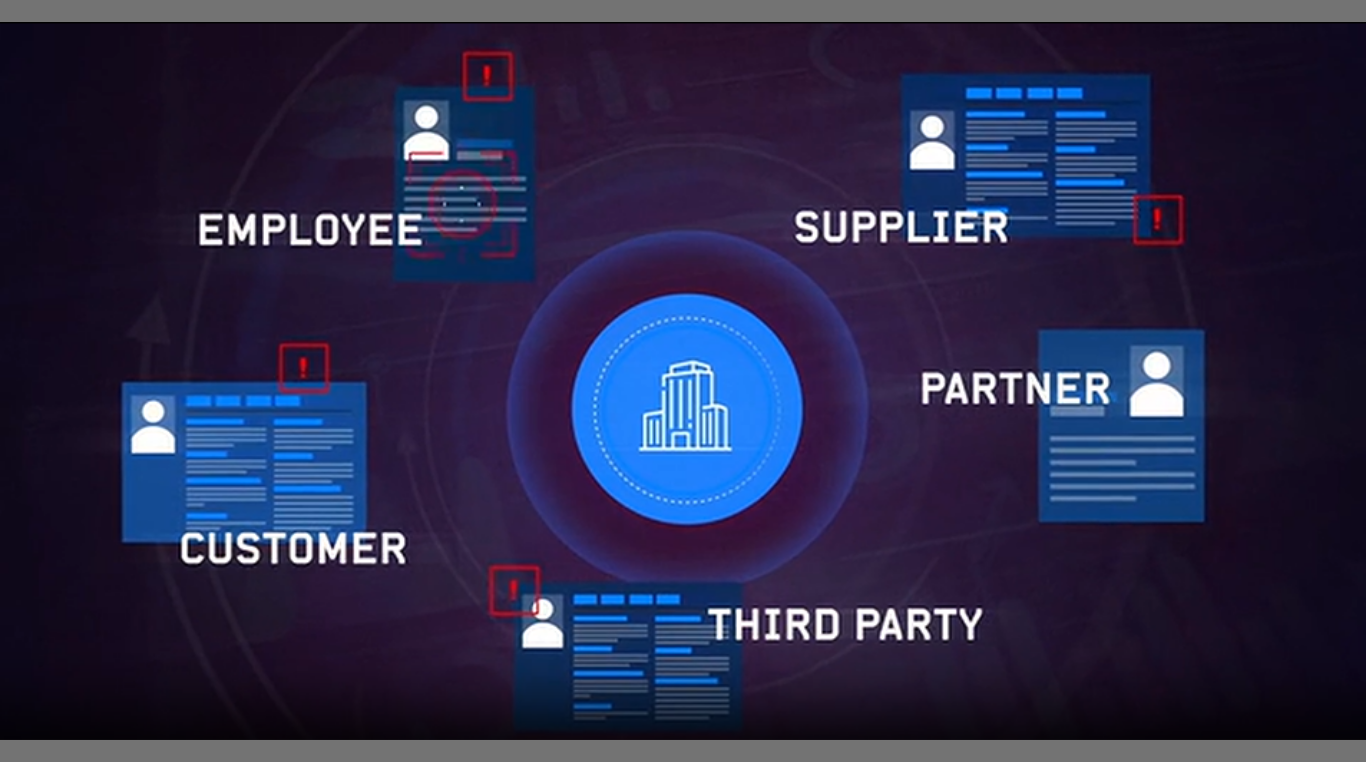
This is where things get interesting, especially for anyone watching the global insurance space. With new platforms, a claim doesn’t bounce between five different desks. Instead, everything gets centralized and automated. The boring, repetitive parts happen automatically, and only the weird or tricky stuff gets flagged for a real person to look at. That’s the problem companies like SpeedBuilder Systems are solving. SpeedBuilder’s insurance claims processing software, BiNDExpress Suite, takes the grunt work out of the equation. The software lets claims teams focus on the judgment calls that actually need a human, like fighting over disputed claims or sorting out messy liability, instead of typing in policy numbers by hand or asking for documents again and again.
Other companies are doing the same thing. In 2026, Transamerica and Swiss Re launched the PromiseXP platform to make things easier for life insurance beneficiaries and give claims pros better tools, especially when families are already going through tough times. Right around then, Aetna unveiled a new claims platform that’s supposedly 20% faster for complicated claims that do need a human to review. The company says it built that in response to frustrated healthcare providers fed up with slow turnaround, according to CVS Health’s announcement.
Why more companies are making the switch
The money talks. The 2025 CAQH Index says providers and insurers spend about $300 billion every year just handling the paperwork around claims, and over $20 billion of that could be saved if more companies switched to automated and electronic systems, according to DataSpring. That’s not just pocket change. That kind of number gets any CFO’s attention, no matter where they are.
For companies working in more than one country or with different regulations, the motivation is even stronger: Consistency. When a claims platform standardizes how things work in every region, a global insurer doesn’t have to start from scratch in every new market. That matters more than ever, since people expect digital convenience everywhere now, insurance included, thanks to faster digital experiences in industries like retail and banking.
Waiting has left the game
Filing an insurance claim used to mean waiting. Waiting on hold, waiting on paperwork and waiting for someone to finally notice a file in a queue gathering dust.
Software hasn’t removed people from the claims process, and it probably shouldn’t, some tricky claims really do need a human touch. But what technology has done is take the repetitive, mistake-prone tasks away so teams can actually get things right the first time.
Article received via email