There is a quiet challenge inside many growing companies, and it often goes unnoticed until fixing it becomes expensive. A website that worked well when a business generated two million dollars in revenue begins struggling at ten million. An order management system built years earlier becomes something no one wants to touch. Every new initiative takes longer because it has to be layered onto aging technology that was never designed to support the company’s current scale.
Steven Sarafian has spent more than two decades helping organizations solve exactly that problem. Leading digital transformation for consumer brands — including scaling a legacy brand’s ecommerce revenue from two million to more than forty million dollars — he has developed a practical philosophy about building infrastructure that lasts. For Sarafian, long-term success is not about finding the perfect technology. It is about making thoughtful decisions today that a future team will not have to undo tomorrow.
Build for Where the Business Is Going
One of the most common infrastructure mistakes is designing systems only for today’s needs.
A company processing a thousand orders each month often chooses tools that comfortably support that volume. Eighteen months later, the business may be processing ten times as many orders, and every system is suddenly under pressure. The opposite mistake can be as costly — some organizations invest in enterprise-level complexity long before they need it, spending valuable resources maintaining technology built for a scale they have not yet reached.
The goal is finding the balance between those two extremes. That requires asking different questions during technology decisions. Instead of focusing only on whether a solution addresses today’s problem, leaders should also consider what happens if order volume triples, new sales channels are added, or the person who originally implemented the system moves on. Scalability is ultimately a business decision as much as a technical one.
Why Proven Technology Often Wins
Technology teams naturally gravitate toward new platforms and emerging tools. Innovation has its place, but the infrastructure that stands the test of time is built on dependable technologies rather than novel ones.
Proven platforms and well-established development patterns tend to deliver long-term advantages that newer alternatives cannot always match. Every specialized technology narrows the pool of people who can support it, increases the complexity of future integrations, and creates additional risk when changes become necessary.
During his work modernizing an established consumer brand, Sarafian saw the value of that approach firsthand. The company’s digital revenue did not grow from two million to more than forty million dollars because it relied on cutting-edge technology. It grew because the business invested in reliable, well-integrated systems that allowed the team to focus on customers and growth instead of solving technology problems. The technology itself was not the competitive advantage. The stability it created was.
Integration Is the Foundation of Growth
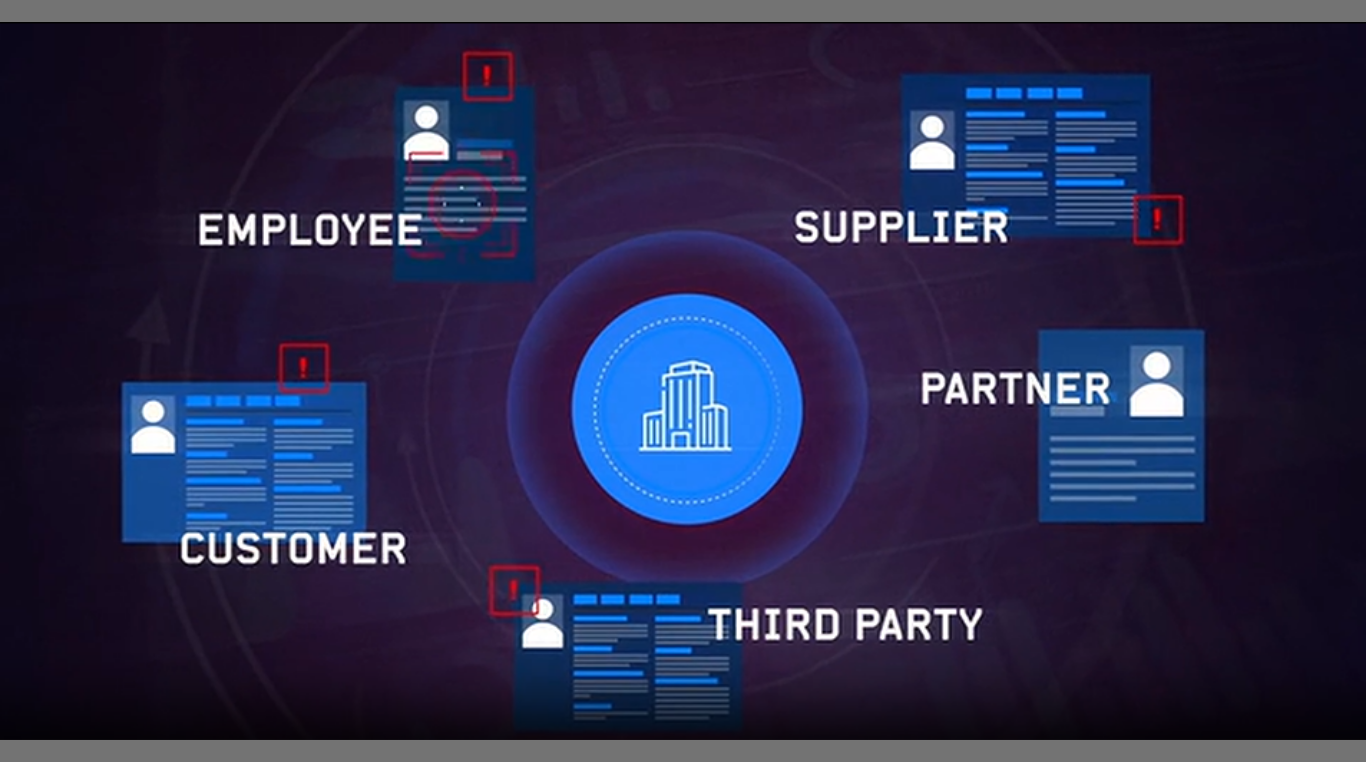
Most organizations do not struggle because one system performs poorly. They struggle because their systems do not communicate effectively with one another.
Inventory may exist in one platform, customer information in another, and marketing data somewhere else entirely. Employees end up exporting spreadsheets and manually transferring information to keep operations moving. Over time, those manual processes introduce errors, slow decision-making, and place unnecessary strain on teams.
Strong digital infrastructure treats integration as a core requirement rather than an afterthought. Customer information, inventory, orders, and reporting should move seamlessly between platforms. Without that foundation, the most ambitious initiatives — from artificial intelligence to advanced analytics — often stall because the underlying data is not organized or connected well enough to support them.
Great Infrastructure Includes People
Technology is only part of the equation.
The strongest digital infrastructure also depends on the people who build it, maintain it, and improve it over time. Documentation, cross-training, and consistent processes all contribute to systems that remain reliable as organizations grow. A well-documented system supported by a collaborative team is more resilient than a sophisticated platform maintained by a single indispensable employee.
Leaders who want infrastructure that lasts should invest in the work that often receives the least attention — documenting systems thoroughly, encouraging knowledge sharing, and addressing technical debt before it becomes a crisis. Those habits may not generate headlines, but they are often what separates organizations that continue scaling successfully from those that spend years rebuilding the same systems.
For Sarafian, that is ultimately how good infrastructure should be measured. Not by whether the technology looks impressive today, but by whether the business can continue building on it confidently for years to come.
Article received via email