Everything seems to be going well. Your content is good, and your analytics don’t raise any obvious concerns. Then you open the geography report, half your viewers leave within the first two minutes, and most of them are watching from places where English isn’t a first language.
People are finding your videos and clicking on them. They just don’t stay long to become regular viewers. In many cases, what looks like a retention problem is really a language problem. A quiet chat and a follow button nobody presses. Viewers who never come back. Fixing it doesn’t always mean a punchier hook or a tighter intro. This is exactly where professional video translation services make a difference.
Why Global Viewers Leave Before They Subscribe
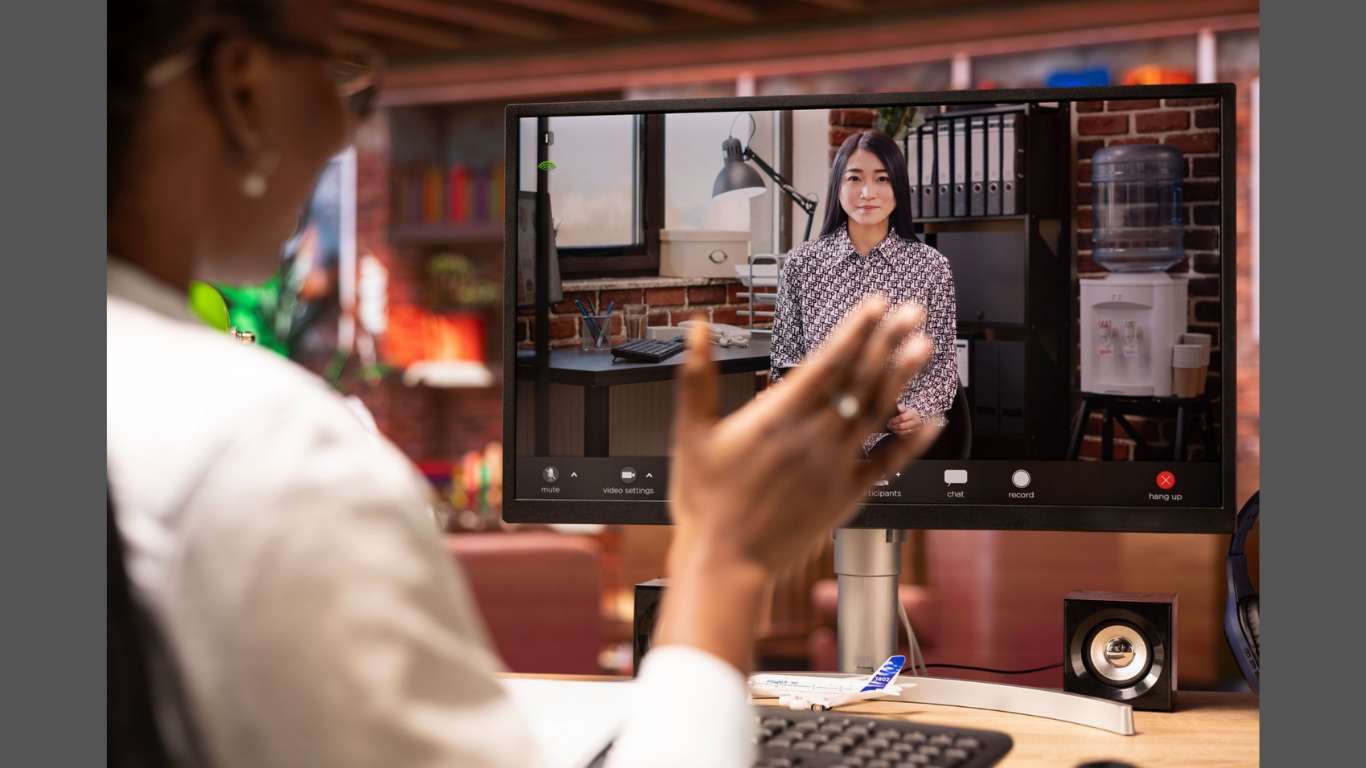
Consider the experience of viewing a video in a language one does not completely comprehend. The viewer will soon be frustrated with it. This is because it becomes difficult for the viewer to pick up the humor in the video, and by about two minutes into it, he or she is confused about what is going on. It becomes tiring and less fun. No one would stay around to watch that kind of video, despite its high quality of production. That’s why many successful creators invest in professional translation services to make their content easier for international audiences to understand.
Live content makes the problem worse, because viewers don’t have time to stop and catch up. An article can be reread at your own pace. A live stream can’t. People leave if they don’t understand what’s happening. That distinction matters to platforms, too. Streaming platforms don’t judge success by peak viewer numbers alone. They pay close attention to audience retention and engagement because those signals help determine which videos and live streams get recommended to more people.
The Fix Everyone Tries First and Why It Falls Short
The majority of creators opt for auto-captions, as they are available for free, are embedded in almost every single platform, and can be activated within a couple of clicks. However, they frequently misinterpret names, slang, and rapid speech, which viewers tend to notice right away. Poor quality of automatic translations might be even more detrimental to a video than not providing any subtitles at all since it negatively affects the overall quality of content. As channels start to expand and attract international subscribers, creators eventually come to understand that professional video translation services provide a much superior experience.
There’s another common mistake: translating only one or two videos instead of making translation a regular part of your content strategy. Some creators translate one major live stream and then stop. But viewers are more likely to stay loyal when they can understand your content consistently over time. Trust isn’t built in a single stream. It grows as people come back and enjoy your content again and again.
Captions vs. Dubbing: Not Interchangeable
Captions and dubbing address different issues, and assuming one could be substituted for another is generally where the content strategy fails. Captions are cheaper. While professional services will cost anywhere between $1 and $15 per minute depending on time frames and service providers, artificial intelligence can get you down to less than a dollar per minute. In any case, the issue with captions is not scalability, as they are easily done in dozens of languages, which makes them a great fit for tutorials.
Dubbing costs more. Full-service video translation and dubbing commonly falls between roughly $2 and $20 per minute, climbing well past that for scripted, multi-voice projects. Dubbing costs more, but it often delivers better viewer engagement.
Build It In From the Start. Don’t Bolt It On Later
The creators who benefit most don’t add language support after the fact. They plan for it on day one, choosing tools that push a single feed across multiple platforms and languages without doubling the workload. It’s often what separates channels that expand into new regions from ones limited to audiences who already speak their language.
Translating every video with professional dubbing in many languages can become expensive, especially for smaller creators. A better approach is to start with the languages your analytics already show are bringing in viewers. Add captions for those audiences first and see if watch time and repeat viewers improve. If the results are strong, you can then invest in dubbing for the languages where it makes the biggest difference.
Article received via email