Installing a home solar system involves several decisions, and understanding the available technologies is one of the most important. As residential energy needs continue to evolve, homeowners are looking for solutions that combine efficiency, reliability, and long-term value.
Choosing the right solar panel can influence electricity generation, maintenance requirements, and the overall return on investment over many years. Among the technologies available, monocrystalline panels have remained a familiar choice for domestic installations.
On the other hand, TOPCon technology has attracted attention for its advanced cell design and improved performance. Each option offers distinct characteristics that may suit different households and installation conditions. Let’s explore the differences between these solar panels and understand which option may be better suited for domestic use.
Understanding Monocrystalline Solar Panels
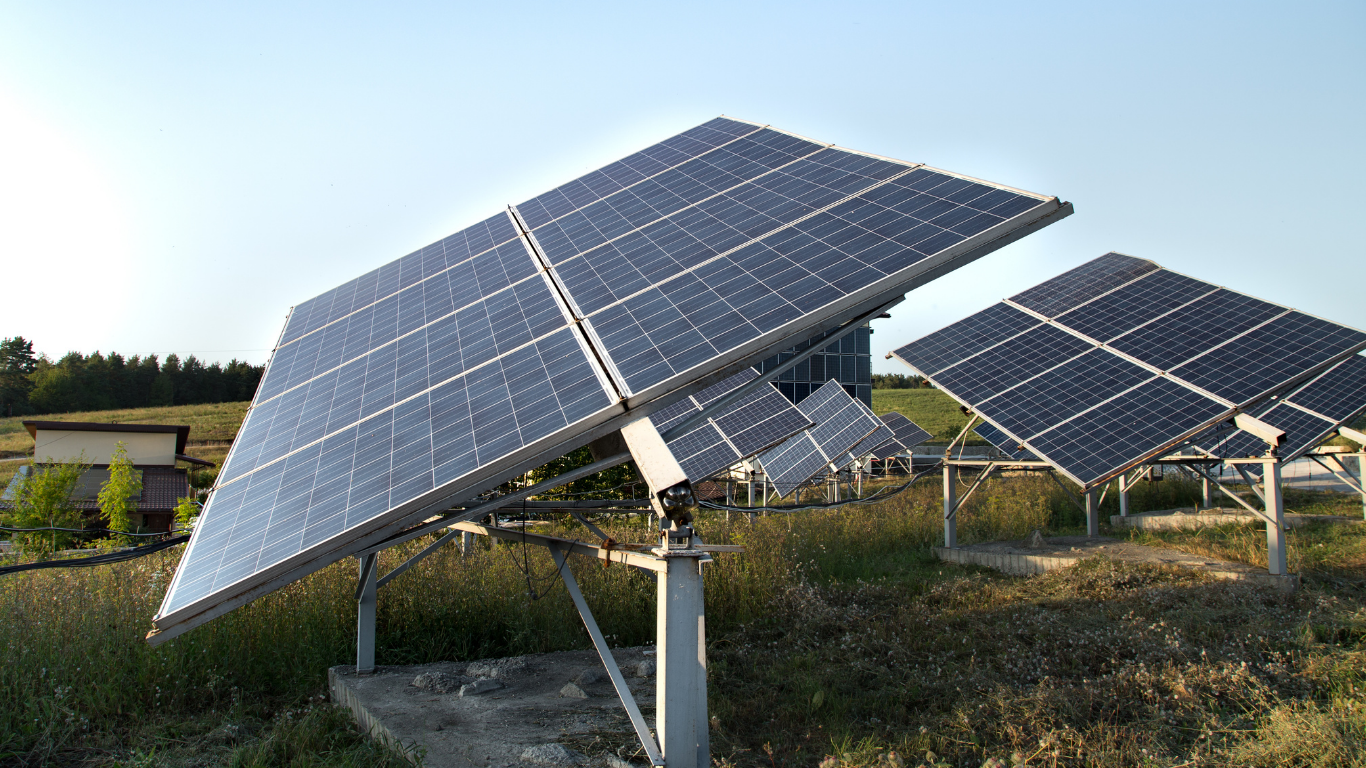
A monocrystalline solar panel is manufactured using a single crystal structure of silicon, allowing electricity to move efficiently through the cells. This design has made monocrystalline panels a preferred option for residential rooftops where installation space may be limited.
These panels are recognised for their high efficiency, attractive appearance, and consistent energy generation. Their uniform black finish also makes them popular among homeowners seeking a clean and modern look.
Monocrystalline panels generally perform well throughout the year and continue producing electricity even during changing weather conditions. Their long operational lifespan makes them a practical investment for households planning to use solar energy for many years.
What is TOPCon Technology?
TOPCon, or Tunnel Oxide Passivated Contact technology, represents an advancement in solar cell engineering. Instead of replacing monocrystalline silicon, it enhances the cell structure by adding an ultra-thin tunnel oxide layer and a passivated contact. This improves the movement of electrical charge while reducing energy losses during power generation.
A TOPCon-based solar panel typically delivers higher conversion efficiency compared with many conventional panel designs. The technology is particularly effective at maintaining performance during high temperatures and lower sunlight conditions, helping households generate electricity consistently across different seasons.
As manufacturing techniques continue to improve, TOPCon panels are becoming increasingly available for residential installations.
Monocrystalline vs. TOPCon Technology: Key Differences
Understanding how these technologies compare across key performance factors can help homeowners choose the option that best suits their property’s energy needs.
- Efficiency
Efficiency remains one of the primary considerations when selecting a solar panel. Monocrystalline panels already deliver strong conversion rates, making them suitable for many homes.
TOPCon technology improves this further by reducing electrical losses within the cell structure. This allows panels to convert a slightly higher percentage of sunlight into usable electricity, which can be beneficial for homes with limited roof space.
- Performance in Different Weather Conditions
Weather conditions influence electricity production throughout the year. Monocrystalline panels perform reliably across varying climates and continue generating energy even on cloudy days.
TOPCon panels are designed to minimise efficiency losses during higher operating temperatures. They also perform well under lower light conditions, allowing the solar panel system to maintain stable energy production during early mornings, evenings, and overcast weather.
- Durability and Lifespan
Durability plays an important role in the long-term value of a residential solar installation. Monocrystalline panels have established a strong reputation for maintaining performance over decades when installed and maintained correctly.
TOPCon technology builds upon this by reducing degradation within the cells over time. Lower degradation rates can help preserve electricity output throughout the operational life of the system, supporting consistent household energy generation.
- Cost Considerations
Budget remains an important factor for many homeowners. Traditional monocrystalline panels are widely available across different price ranges, giving buyers flexibility when selecting a system that suits their financial plans.
A TOPCon solar panel may involve a higher initial investment because of its advanced manufacturing process. However, increased efficiency and slower performance degradation may improve long-term energy generation, making the additional cost worthwhile for some households.
Which Option is Better for Domestic Use?
The most suitable option depends on your home’s energy requirements, available roof space, budget, and local weather conditions. Consider the following factors before making a decision:
- Choose Monocrystalline Panels if you have Ample Roof Space: They offer dependable efficiency, proven long-term performance, and are widely available at different price points.
- Opt for TOPCon Panels if Roof Space is Limited: Their higher conversion efficiency can help generate greater electricity output from a smaller installation area.
- Consider your Local Climate: Homes in warmer regions or areas with varying sunlight may benefit from TOPCon panels. They are designed to maintain stronger performance under higher temperatures and lower light conditions.
- Compare Long-term Value: While TOPCon panels generally require a higher initial investment, their lower degradation rate may support consistent energy production over the system’s lifespan.
- Review the Complete Solar System: Alongside panel technology, assess inverter compatibility, installation quality, warranty coverage, and expected household electricity consumption. A professional site assessment can help identify the most suitable solution for your property.
Choosing the Right Solar Solution
Selecting the right solar panel involves balancing performance, efficiency, budget, and future energy requirements. Monocrystalline panels continue to provide dependable electricity generation and remain a trusted option for many residential properties.
Energy solution providers like Eastman Auto & Power Limited offer a range of solar technologies designed to meet varying household energy requirements and installation preferences. The ideal decision depends on roof conditions, available installation space, household electricity usage, and financial planning.
Comparing technical specifications, warranty terms, and expected lifetime performance can support informed decision-making. Taking the time to evaluate these factors carefully can help homeowners invest in a solar solution that delivers reliable performance and long-term value.
Article received via email