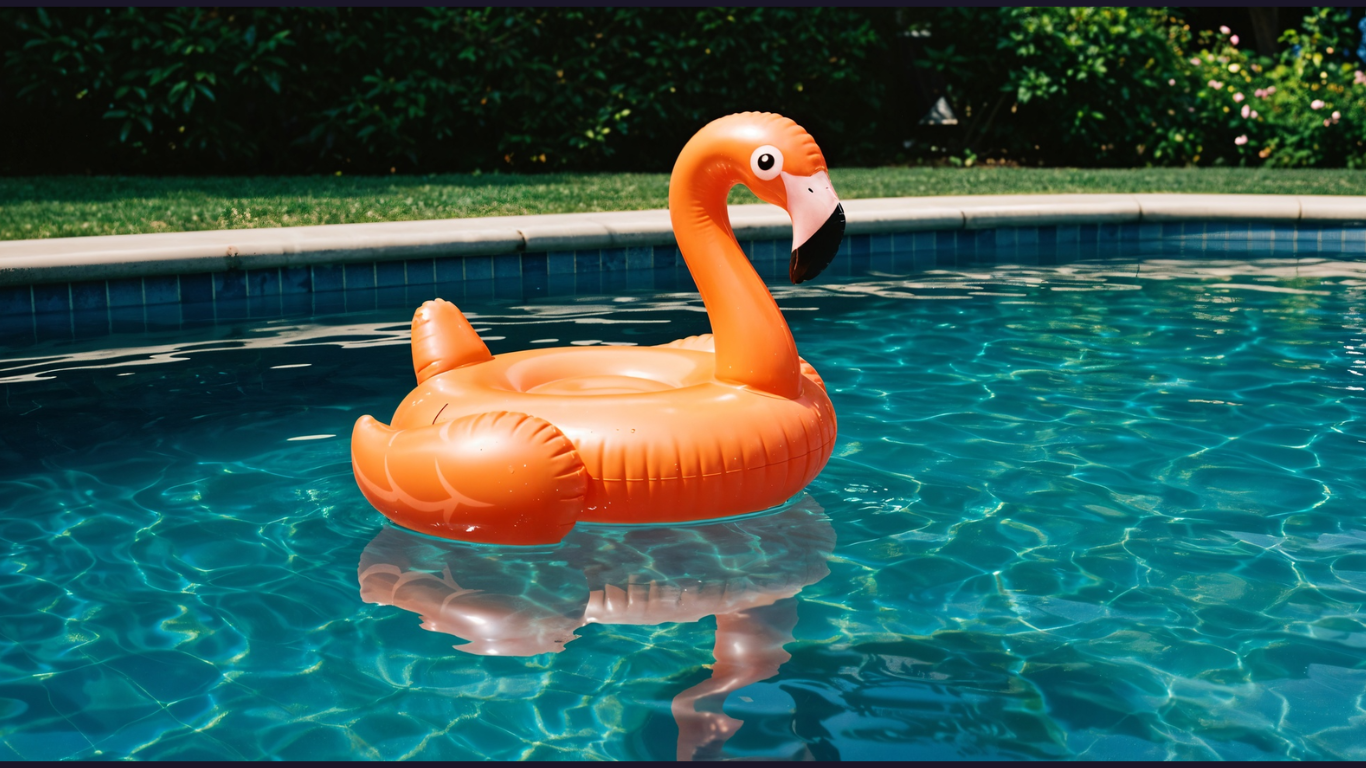
Backyard pools carry more decisions than shape and size. Families weigh grade changes, drainage, equipment access, safety, comfort, and long-term upkeep before ground breaks. That is why the type of pool matters just as much as the decision to build one. A design that works with the yard, not against it, can simplify most of those concerns.
Semi-inground models meet those concerns with a measured middle path. They sit partly below grade, yet remain easier to reach and service than many buried builds. For homeowners balancing beauty with practical limits, this format can make outdoor living feel planned, useful, and calm. The sections below explain what makes this option worth a closer look.
A Balanced Pool Choice
A partially buried structure can help on sloped lots, tight setbacks, or sites where full excavation would strain the budget. The semi-inground format lowers the profile, preserves service access, and reduces major soil removal. For our yards, that middle position often means cleaner sightlines, fewer construction demands, and a swimming area that feels built in.
Better Visual Fit
A partly buried pool usually sits lower against the yard, which reduces visual bulk from patios and windows. Decking, stone coping, steps, and planting beds can meet the wall with fewer awkward height changes. This gives the area a settled appearance. Neighbors may see less exposed structure, while family members gain a swimming zone that feels tied to the home.
Cost Control
Cost often decides whether a pool plan moves forward. Semi-inground models tend to sit between standard raised pools and many fully buried systems. That gap can preserve funds for fencing, decking, pumps, covers, lighting, or water testing supplies. Clear budgeting also supports long-term ownership. Federal water efficiency programs can also guide owners on reducing waste and operating costs.
Flexible Yard Placement
Few yards are perfectly flat. Mild slopes, drainage swales, utility routes, and property lines can limit placement choices. Semi-inground pools adapt better than many raised models because part of the wall can meet a changing grade. The site still needs firm soil, stable support, and water moving away from the structure. Good layout prevents future settling, runoff problems, and access headaches.
Faster Enjoyment
A shorter build can matter when warm weather is already near. Semi-inground projects may move faster because excavation is usually lighter and site restoration can be simpler. Weather, inspections, soil conditions, and deck construction still shape the schedule.
Durable Materials
Material choice deserves careful attention. Many semi-inground pools use steel, resin, or reinforced wall systems made to handle soil contact and water pressure. Buyers should compare corrosion protection, frame strength, liner thickness, bracing, and warranty terms. Local heat, storms, freeze cycles, and runoff patterns affect performance.
Easier Outdoor Upgrades
A semi-inground pool can support phased improvements. The first stage might include the shell, equipment, safe entry, and code-compliant fencing. Later, owners can add shade, lighting, privacy screens, furniture, or expanded decking. This approach protects the budget while keeping the plan coherent. Each upgrade should improve movement, supervision, drainage, or comfort rather than simply adding more material.
Maintenance Stays Practical
Reliable pool care depends on circulation, filtration, water balance, brushing, and debris removal. Semi-inground designs often keep equipment reachable, which helps owners stay consistent. Quick access to valves, pumps, baskets, and filters makes routine checks less burdensome. Covers can reduce evaporation and leaf load. Testing water on schedule protects surfaces, swimmers, and mechanical parts from preventable damage.
Good for Family Use
The right pool supports real habits, not just drawings on a plan. Semi-inground designs can serve swimming, floating, games, exercise, and quiet evenings without needing a large yard. Clear entry points help children and older guests move with more confidence. Seating nearby improves supervision.
Conclusion
Semi-inground pools give homeowners a practical blend of finished appearance, manageable installation, flexible placement, and controlled cost. They provide much of the grounded look people associate with buried pools, while keeping service access closer to raised models. For families comparing comfort, safety, yard shape, upkeep, and future upgrades, this style deserves careful review. It can turn our outdoor space into a useful, lasting place for daily connection.
Blog received via E-mail