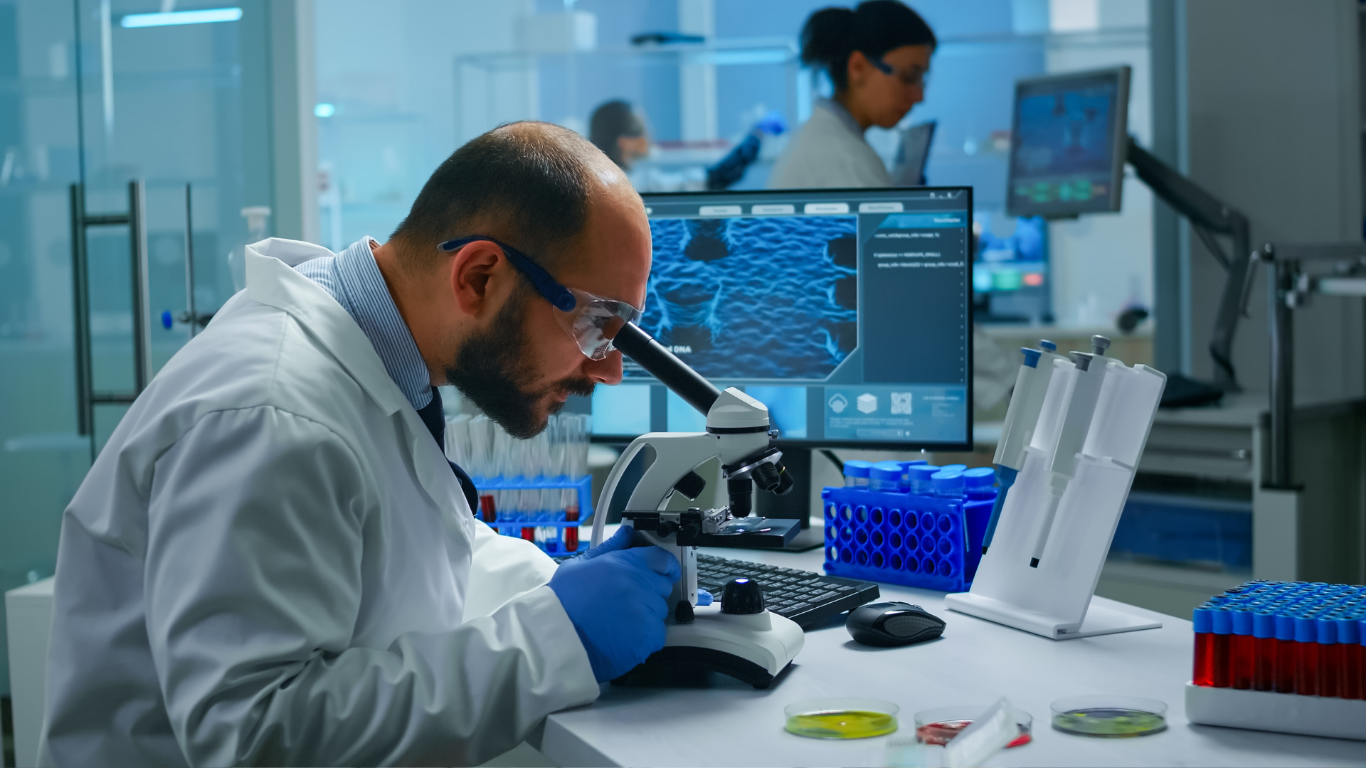
Large clinical studies can generate significant volumes of biological samples in a short time. When samples arrive from multiple collection sites, laboratories need to receive, prepare, track, and store them efficiently without compromising quality.
If the workflow is not designed for scale, delays can quickly develop. Samples may wait too long to be processed, records can become difficult to manage, and research teams may struggle to maintain consistent procedures across the study.
A well-structured laboratory workflow helps reduce these bottlenecks. It gives researchers better control over their sample journey and supports faster progress from collection to analysis.
Where Processing Delays Commonly Occur
Laboratory delays are not always caused by one major problem. In many cases, they result from several smaller inefficiencies that build up over time.
A study may have unclear collection instructions, incomplete sample documentation, limited processing capacity, or a lack of visibility once materials arrive at the laboratory. These issues can make it harder to identify priorities and respond quickly when something goes wrong.
The most effective way to reduce delays is to view the process as a connected workflow rather than a series of separate tasks.
Create a Clear Plan Before Samples Arrive
Planning should begin before the first participant is enrolled. Research teams need to establish what samples will be collected, how they will be labelled, how quickly they must reach the laboratory, and what processing is required before storage or analysis.
Standardise Collection Procedures
Samples collected at different sites should follow the same procedures wherever possible. Clear instructions help staff understand how to label, package, document, and transport materials correctly.
Standardised collection also reduces variation. If one site handles samples differently from another, this can affect sample quality and create additional work for the laboratory.
Define Expected Turnaround Times
Some sample types need to be processed quickly after collection. Setting realistic turnaround expectations helps laboratories plan resources and identify urgent materials as soon as they arrive.
A clear schedule also helps collection sites understand their responsibilities. If a courier delay occurs, the team can assess the impact promptly and decide on the appropriate action.
Use Traceability to Maintain Control
When a project involves hundreds or thousands of samples, traceability becomes essential. Each sample should have an accurate record showing its identity, study link, arrival time, processing stage, storage location, and current status.
A laboratory information management system can bring this information together. It makes it easier to confirm which samples have been received, identify materials awaiting processing, and locate specific items when they are needed.
Traceability supports more than organisation. It also helps protect data integrity by ensuring that researchers can understand the complete history of each sample.
Balance Automation and Human Expertise
Automation can help laboratories manage repetitive, high-volume tasks with greater consistency. Automated liquid handling, sample transfer, extraction, and normalisation systems can reduce manual workloads and support faster throughput.
For instance, automated processes can help prepare large numbers of DNA or RNA samples for downstream genetic analysis. They can also assist with aliquoting, which creates smaller portions from a parent sample and helps preserve remaining material for future use.
However, automation does not remove the need for experienced laboratory professionals. Skilled teams are needed to oversee workflows, confirm that methods are suitable, investigate unusual results, and ensure quality requirements are met.
The most effective model combines efficient technology with expert oversight.
Build Flexibility Into the Workflow
No two studies are exactly alike. A clinical trial may need rapid processing of fresh samples, while a population health programme may require long-term storage and periodic retrieval. Research priorities can also change as a study develops.
A flexible laboratory workflow can adapt to these needs without creating unnecessary disruption. This may involve adjusting processing methods, increasing capacity, adding new quality checks, or supporting different sample formats.
Researchers should also consider how samples will move from processing to storage. A connected approach helps avoid delays between stages and ensures materials remain traceable throughout the process.
For organisations managing complex research programmes, Sample Processing services can provide structured support for activities such as sample receipting, fractionation, aliquoting, nucleic acid extraction, quantification, and normalisation.
Focus on Quality at Every Stage
Speed is important, but it should never come at the expense of quality. Fast processing is only valuable when samples remain suitable for the intended analysis.
Quality-focused workflows include clear procedures, trained staff, equipment monitoring, accurate documentation, and appropriate checks before samples move to the next stage. These measures help laboratories maintain reliable standards even when sample volumes increase.
Regular reviews can also identify recurring issues. If samples frequently arrive with incomplete details or are delayed in transport, the process can be improved before the problem affects a larger part of the study.
FAQ
Why do large clinical studies need high-throughput processing?
Large studies can generate many samples in a limited time. High-throughput processing helps laboratories manage this volume efficiently while maintaining consistent methods.
What is sample receipting?
Sample receipting is the process of recording samples when they arrive at the laboratory. It confirms their arrival and links them to the correct study information.
Can automation improve sample consistency?
Yes. Automation can help standardise repetitive tasks, reduce manual handling, and support more consistent processing across large numbers of samples.
Why is flexibility important in sample processing?
Research needs can change during a project. A flexible process allows teams to adapt methods, capacity, and workflows without compromising sample quality or study timelines.
Conclusion
Reducing laboratory bottlenecks requires careful planning, clear sample tracking, suitable technology, and skilled scientific oversight. When these elements work together, research teams can handle larger volumes of material while maintaining control over quality and timing.
A connected sample processing workflow helps studies move forward with fewer delays, stronger traceability, and greater confidence in the materials used to generate valuable research data.
Article received via email