Typically, in a business, workplace health would likely reside under safety, HR, or compliance. But dividing it in that way can create a blind sport. An employee illness may seem like an individual problem in the short run, but can expand to become an issue for staffing, productivity, insurance, legal/regulatory exposure, and even your business reputation.
As a result, occupational health is supposed to be a core component of enterprise risk management (ERM). This article discusses in detail why you should include occupational health as part of your enterprise risk management plan.
Worker Health Is a Business Risk
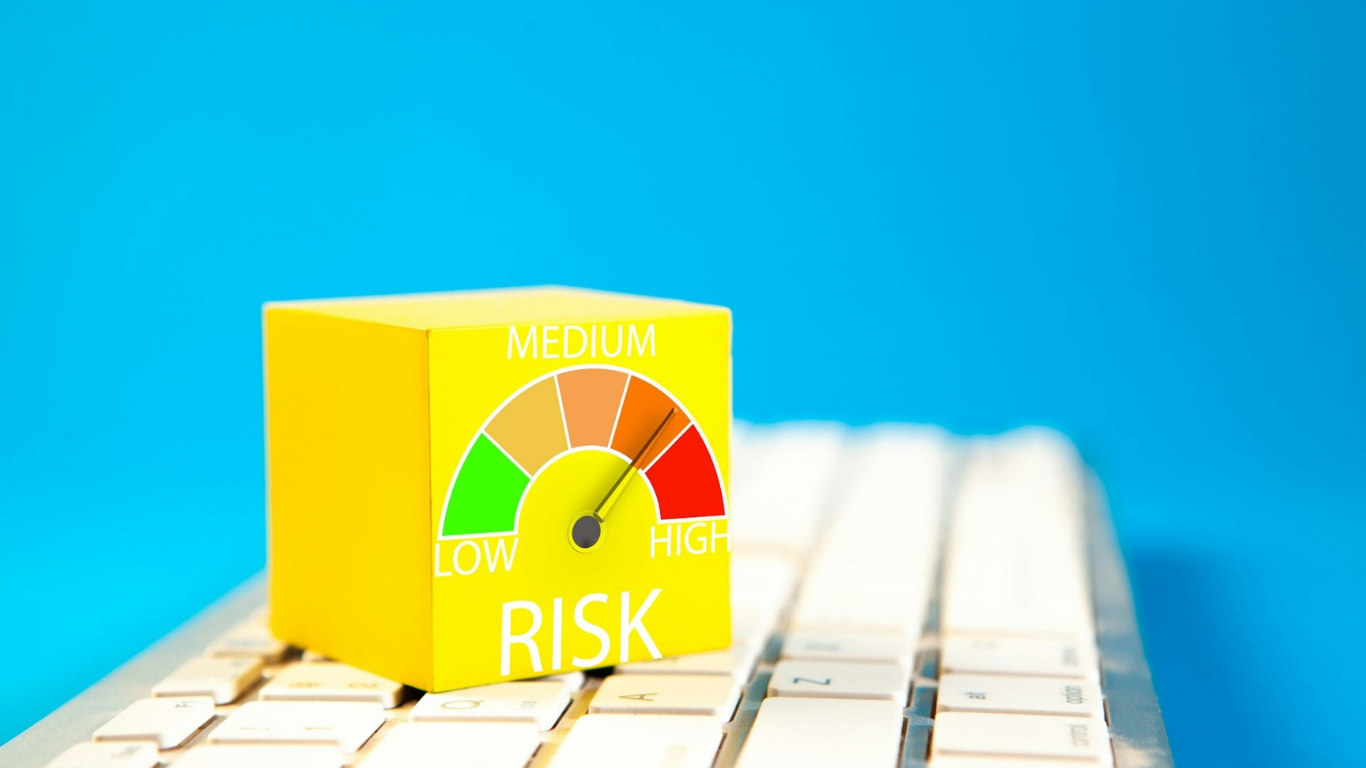
ERM focuses on finding out the issues that can stop an organization from achieving its objectives. The risk is not necessarily a market downturn, cyber breach, supply chain issues; the constant exposure of the workforce to unsafe environments can become its own long-term risk.
A workplace injury may remove staff from production for weeks while a serious occupational illness can have consequences that emerge much later. This often leads to staffing issues, increased recruitment costs, and experience lost along with productivity, possible litigation, or regulatory action.
The Risks Aren’t Always Obvious
The risks to employee health are not always apparent. Excessive noise exposure, irritant airborne contaminants, toxic materials, and physical constraints such as repetitive strain are all real risks that may expose employees to health risks without producing an immediate incident.
This is where risk management needs to go beyond checking whether an accident occurred. The way to overcome this is to think in terms of future risk and not an individual accident. The management can investigate worker suggestions, inspect the workplace, examine records on occupational ill health cases of that business or similar, consider results of job hazards analysis and change initiatives. In all of this, the goal is to intervene before an issue escalates or occurs.
Prevention Has a Financial Side
There is also a clear financial argument for investing in occupational health and safety. When workers are injured or fall ill, businesses can lose productive time, expertise, and money on recruitment and re-training with all the extra cost it entails. Plus, you have additional risks of disruption.
The National Institute for Occupational Safety and Health recommends a hierarchy of controls to prevent workplace issues, the most desirable approach being the most proactive-reducing exposure before having recourse to personal PPE. The focus changes the way in which risk is addressed, as more concern is placed on modifying processes and conditions rather than the outcomes of processes.
Serious Illnesses Require a Longer View
Not every occupational health problem appears immediately. Some diseases can take years to develop, making historical workplace information especially important. In cases that are suspected to be related to occupational health, such as long-term asbestos- related lung disease, a thorough historical background is necessary concerning the person’s work history, workplace conditions, training and exposure.
Patients with these types of illness may also be more interested in potential legal action and will seek more specific advice concerning rights of compensation. You can visit https://www.lungcancergroup.com/legal/lung-cancer-lawyer/ for more information on legal issues involving lung cancer and potential asbestos or silica exposure.
That doesn’t mean every illness is work-related or that every case will result in a claim. It means businesses should recognize that some occupational risks have a much longer timeline than the usual annual safety report suggests.
Endnote
Occupational health is a long-term business consideration. Companies that identify workplace health risks early can better protect their employees, operations and long-term performance.
Article received via email