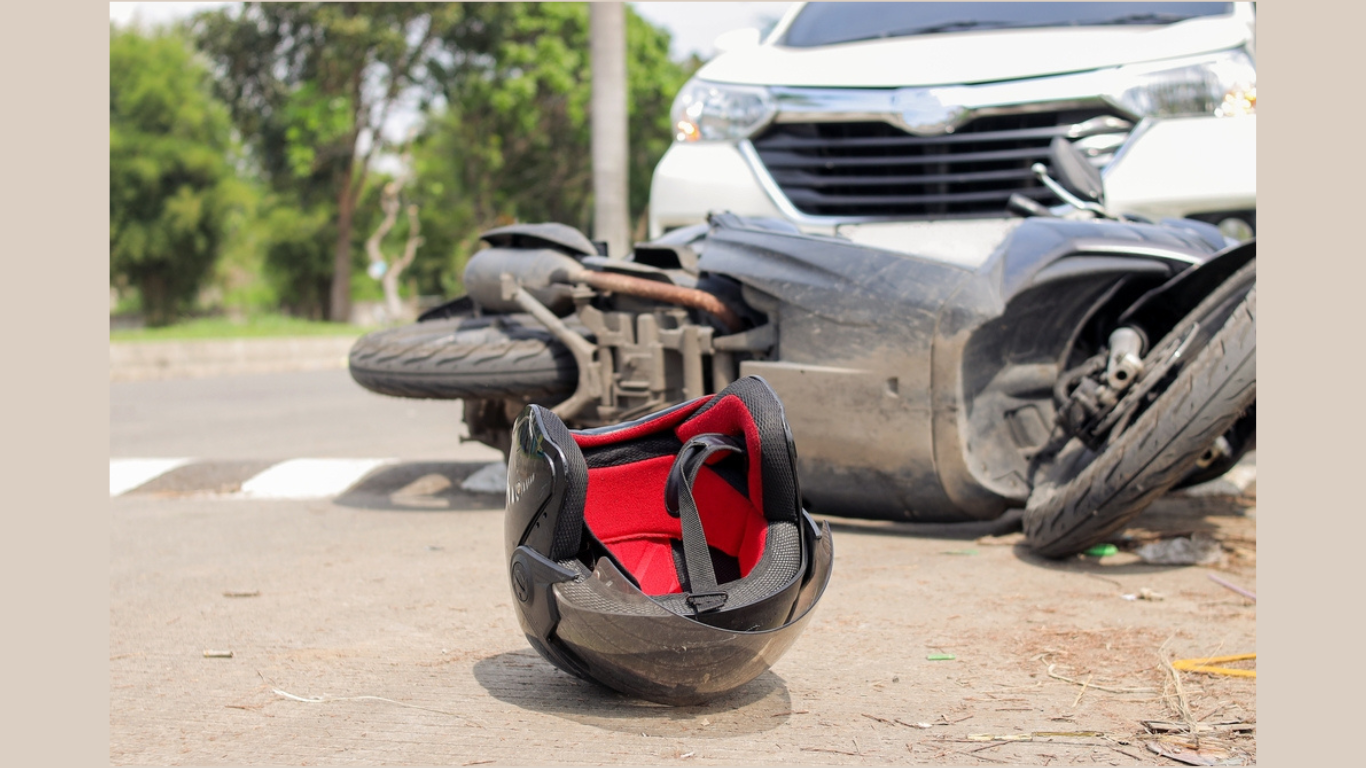
A motorcycle crash can change far more than a person’s travel plans. A serious injury may affect work, health, family responsibilities, and daily routines long after the first medical visit. That is why looking only at current bills can leave out important parts of a claim.
The full damages after a motorcycle crash may become clearer as treatment continues and long-term effects appear. For injured riders, keeping track of these changes can help show how the crash has affected their lives over time. It can also provide a record of financial costs and losses that may continue into the future.
Why the Effects of a Motorcycle Crash May Last Beyond Treatment
Emergency care is only the beginning for some injured riders. Broken bones, nerve damage, spinal injuries, and brain injuries can require months of follow-up care. Some people may also need physical therapy or other rehabilitation before they can return to normal activities.
Recovery does not always follow a straight path. Some injuries can leave lasting pain, limited movement, or other problems. These lasting effects can make the financial impact of a crash much greater than the first set of medical bills suggests.
Long-Term Medical Needs Can Increase the Financial Impact
Medical expenses may continue after a person leaves the hospital. Follow-up visits, therapy, medication, medical equipment, and future procedures can all add to the cost of recovery.
For example, a rider with a serious leg injury may need several months of physical therapy. Another person may need ongoing treatment for pain or a future surgery. These costs can become important parts of a claim, especially if a doctor expects treatment to continue.
A Motorcycle Crash Can Affect Future Earning Ability
An injury can affect a person’s ability to earn money long after the crash. Someone may miss weeks or months of work while recovering. A serious injury may also prevent a person from returning to the same position. These losses may become part of the damages after a motorcycle crash, especially if the injury affects future employment.
Riders may need to reduce their hours, take a different job, or leave a career that requires physical activity. These changes can affect future income, not just the wages already lost.
Employment records, pay information, and medical records can help document these changes. Information about work restrictions may also help explain how an injury affects a person’s ability to earn in the future.
Long-Term Changes Can Affect Daily Life
The financial effects of a crash are only part of the story. A serious injury can change how a person lives each day.
A rider who once handled household tasks easily may need help with cooking, cleaning, shopping, or caring for children. Activities such as exercise, hobbies, travel, or social events may also become difficult. Some people may lose independence because they cannot move or drive as they did before.
These changes can be important when looking at the overall impact of an injury. They show that the consequences of a motorcycle crash may reach beyond hospital bills and paychecks.
How Evidence Can Show Long-Term Consequences
Long-term effects are easier to understand when they are supported by clear records. Riders should keep documents that show both the medical and practical effects of their injuries.
Useful evidence may include:
- Medical and rehabilitation records
- Bills, receipts, and treatment costs
- Employment and income records
- Doctor statements about future care or restrictions
- Notes about changes in daily activities
- Statements from family members or others who have seen those changes
California Fault Rules Can Also Affect Damages
California follows a comparative fault system. This means an injured person can still seek compensation even if they are partly responsible for a crash. However, the amount recovered may be reduced based on their share of fault.
That makes evidence about how the crash happened important. Police reports, witness accounts, photographs, medical records, and other information may help establish what occurred and who may be responsible.
Conclusion
Long-term consequences can make a motorcycle injury claim more complicated than it first appears. Medical care may continue, earning ability may change, and ordinary activities may become harder. These effects can all help show the broader damages after a motorcycle accident. Keeping strong records and following medical advice can provide useful evidence of those lasting losses. For injured riders, looking beyond the immediate expenses can help create a more complete picture of how the crash has affected their health, finances, work, and daily life.
Blog received via e-mail