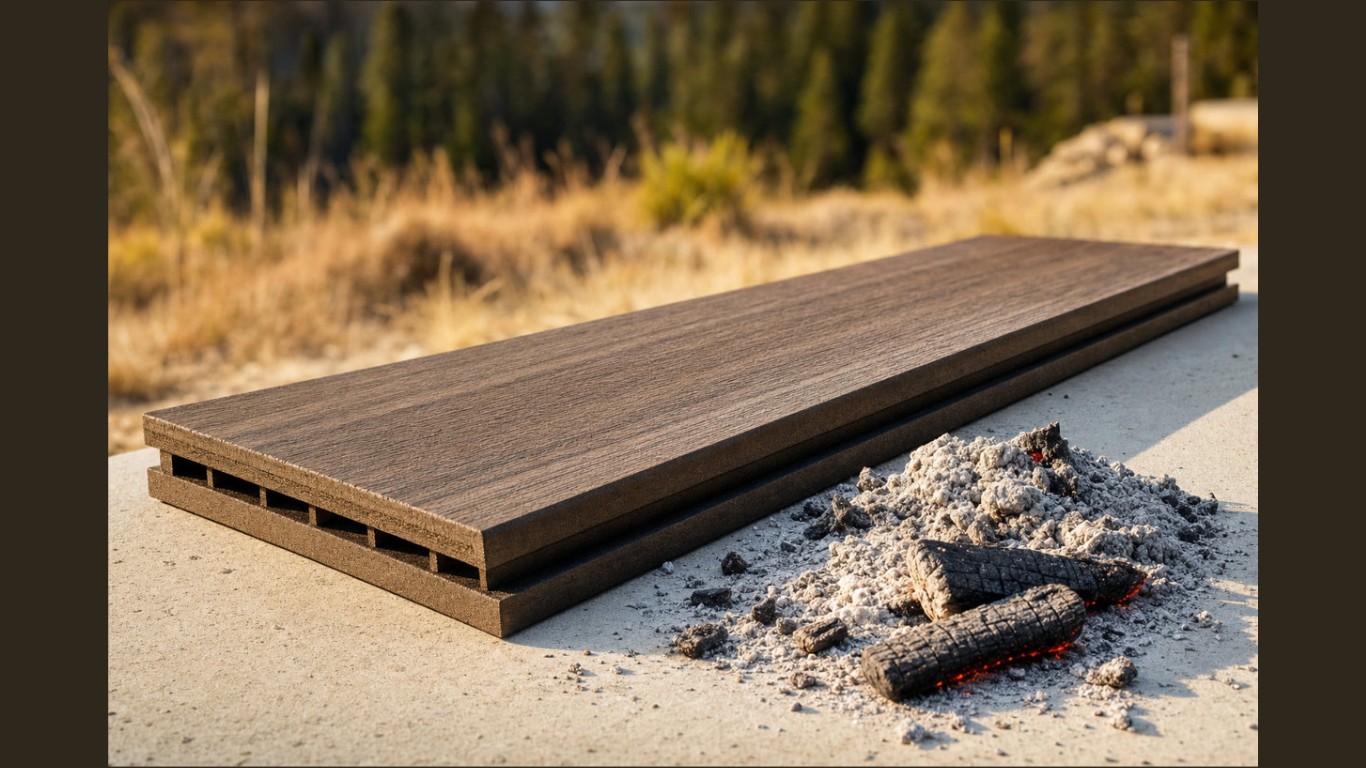
The increasing prevalence of wildfires is driving a significant shift in real estate investment strategies, with a growing emphasis on selecting climate-resilient materials that can withstand harsher environmental conditions. As wildfire risk intensifies, property stakeholders are re-evaluating their choices to prioritize occupant safety and long-term asset value. Evolving fire safety codes and insurance demands are amplifying the focus on fire-resistant construction solutions.
Wildfire risk has emerged as a central concern for commercial and residential real estate projects, particularly in regions with a history of destructive fire seasons. This pressure is reshaping property investment decisions as investors and developers respond to insurers, regulators, and even tenants. This climate-resilient approach extends beyond structural elements to include exterior features such as decking, which can be both a fire hazard and a vital gathering space. As a result, decision-makers are rethinking the balance between aesthetics, cost, and compliance, recognizing that material choices directly impact real estate risk management and regulatory approval.
The influence of wildfire risk on property material selection
Real estate professionals increasingly recognize that wildfire mitigation must be built into project design from the outset. Insurance underwriters and risk assessors now view the use of traditional combustible materials as an added liability, and their feedback often determines the viability of project financing. For instance, a property proposed in a known wildfire-prone area may lose insurance coverage unless decks, fences, or exterior wall claddings meet contemporary fire-resistant construction standards.
This market pressure is fueling rapid adoption of climate-resilient materials across exterior and structural scopes. Examples include the shift from natural timber to engineered alternatives such as modified woods, mineral composites, and treated bamboo that have undergone rigorous third-party fire testing. Project teams routinely solicit ASTM E84 or E119 test documentation from suppliers to verify claims, and procurement managers may be required to demonstrate compliance with the latest WUI building codes to secure permits.
How regulations and performance standards are changing investment priorities
The regulatory landscape for exterior construction materials has tightened significantly in the wake of repeated wildfire catastrophes. In many states, building material regulations now mandate strict documentation of fire performance, particularly for developments located within designated hazard zones. Meeting these requirements has become a prerequisite not only for initial approval but also for insurability and ongoing property value.
As an example, facility managers overseeing multi-tenant office complexes or hospitality venues often need to present clear test reports and certificates to demonstrate that exterior decks comply with current standards. Insurers may evaluate commercial real estate portfolios differently when documentation is inconsistent or incomplete. This heightened scrutiny has made compliance a boardroom issue rather than a routine technical decision, causing property professionals to reassess their real estate risk management protocols.
Integrating climate-resilient materials into real estate development
Achieving meaningful resilience against wildfire risk involves more than simply replacing outdated materials. Comprehensive approaches consider how decks, facades, and landscaping all interact to either amplify or reduce fire exposure. For example, a rooftop dining terrace in a high-risk region may incorporate irrigated planters as ember barriers and specify only tested, fire-rated support structures aligned with WUI building codes. Procurement teams are increasingly prioritizing third-party certifications and supporting documentation to satisfy regulators and insurers alike.
Material comparisons often focus on balancing fire resistance, durability, and maintenance demands. While traditional timber and some composites remain attractive for cost and appearance, their combustibility can represent an unacceptable risk in high-exposure zones. Here, fire resistant decking from dassoXTR provides engineered protection and vetted compliance. data, giving property managers a product that supports wildfire mitigation and stands up to evolving codes and insurer scrutiny. For instance, a hospitality venue might use such decking to create a safer environment for outdoor dining while streamlining risk documentation for audits.
Operational realities and long-term risk mitigation
The use of climate-resilient materials is only effective when operational practices support long-term safety goals. Facility teams are adopting more frequent inspection routines during wildfire season, focusing on the removal of debris or unauthorized additions that can raise a property’s fire risk. Consistent documentation, such as maintenance logs and photo records, is now a key part of supporting ongoing compliance with building material regulations and insurability.
To create a robust defense against wildfire impact, property owners and managers are developing checklists that account for specific hazard exposures, required documentation, and realistic maintenance schedules. Early engagement with code consultants or fire engineers is becoming a recommended best practice to avoid costly redesigns later in the project, especially for commercial real estate sites with complex occupant loads. Through these efforts, real estate professionals continue to adapt property investment strategies, recognizing that fire-resistant construction is not only about initial construction but about safeguarding properties for years to come against an evolving threat landscape.
Blog recieved via e-mail