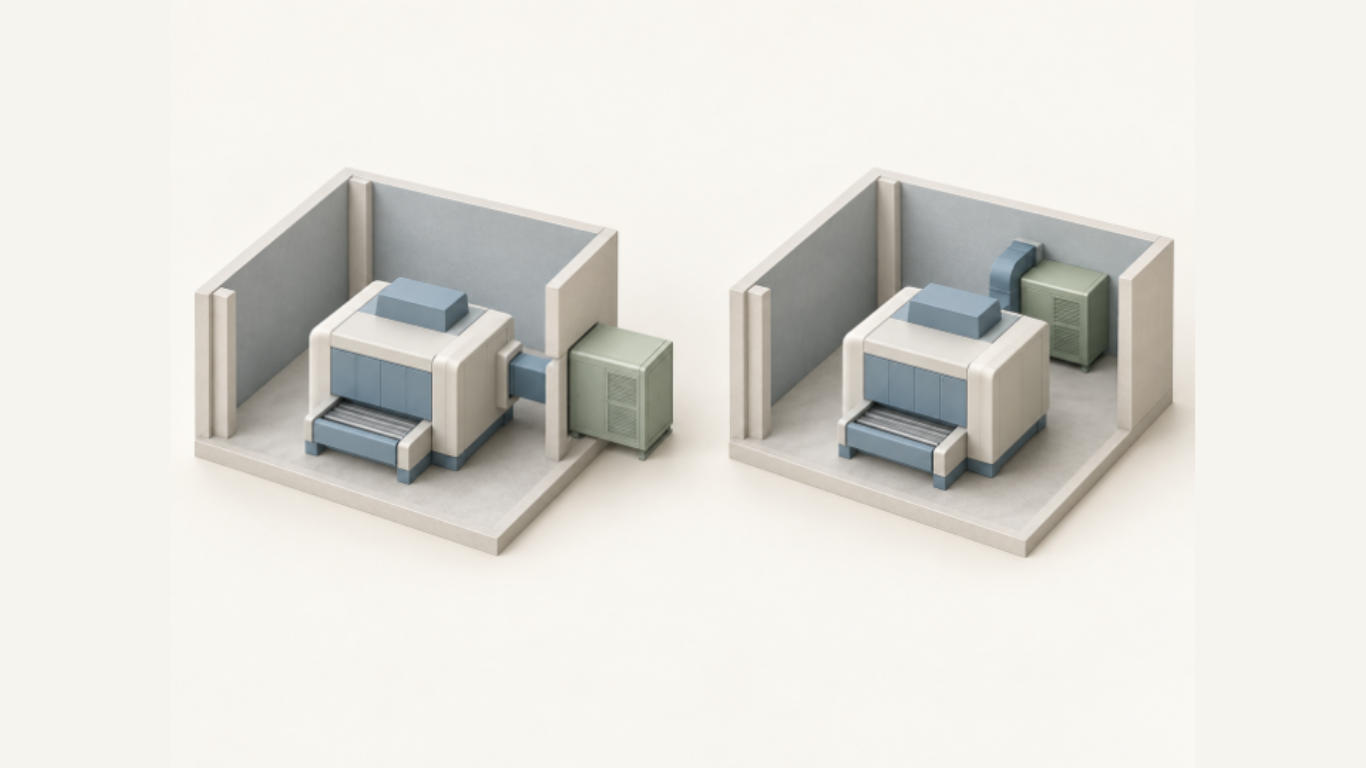
A group equipment standard can make a second factory easier to equip, or hand it a machine built for conditions it does not share. Two installations can look identical while their cleaning, utilities, and duties differ.
Regional operations leaders must decide what the standard should preserve before asking a supplier to repeat an order. With a system integrator Singapore manufacturers can engage for custom equipment, that means separating shared requirements from details inherited from the first installation — a successful first project is a reference, not a complete group specification.
Define the Common Requirement Before Copying the Design
Start with the reason for standardization: consistent quality, transferable knowledge, or fewer spare-part variants. These overlap but don’t always point to the same design, so the brief should surface any tradeoff early.
Separate what the equipment must achieve from one approved way of achieving it. The common requirement covers the products handled, the required output, and the checks used to judge finished packs. A preferred layout or material belongs in the design specification, with its reason recorded, alongside a short assumptions record — product family, site conditions, dependencies on surrounding equipment — so another plant can compare conditions before requesting drawings.
Motionwell Automation designs custom machines around product and site requirements, letting a repeat buyer ask which parts of the earlier design still suit the new conditions. Customization ability does not extend to setting group policy, so the buyer must identify who can approve a departure.
Give Local Exceptions a Reason and an Owner
Consider two plants sharing a container family, where one uses a cleaning method that exposes equipment to conditions the other does not. Identical enclosures should not be mandated just because they came first, nor should different hardware be accepted because an operator prefers its appearance.
Motionwell Automation weighs cleaning chemistry and method when specifying materials for pharmaceutical packaging, giving a concrete reason to investigate a site difference. The local team should describe the actual conditions, while the engineering proposal explains which choices those affect.
A useful exception request names the shared requirement, the differing condition, the proposed departure, and the consequences, including who accepts them — for example, a substitution that solves a cleaning problem but adds a spare part, visible at approval, not discovered at the first repair.
Compare Site Results Against the Same Acceptance Requirement
Different hardware does not automatically justify different acceptance criteria. If two plants must package the same product to the same requirement, the cleaning arrangement may differ, but the finished-pack requirement need not.
Specify the conditions behind any capacity comparison, since a rate recorded with one product and container cannot establish performance with another.
Ask each project to report against the shared requirement and flag approved differences. When a site misses a criterion, separate the shortfall from its proposed explanation and record evidence before treating that explanation as settled.
Keep approval authority clear: a local manager may accept a drawing change without being authorized to reduce the group’s production requirement, so a fix changing the agreed outcome should go back to the owner of that requirement.
Keep the Next Purchase From Erasing Earlier Decisions
If a later project introduces a revised enclosure for its own conditions, the equipment register should record which plants use which arrangement, so purchasing does not assume the newest part is interchangeable everywhere.
Review local changes for wider value without forcing every plant to adopt them automatically — some reveal an improvement relevant to the shared design, others stay specific to one location — and let a group review decide whether to revise the standard, retain the exception, or ask for more evidence.
Standardize the Decisions That Future Buyers Must Preserve
For a multi-plant buyer working with Motionwell Automation, the repeat-order brief should preserve common requirements while making site differences explicit. Fixing a hardware standard too early, while a process is still changing, creates more exceptions than useful consistency.
The real measure of a good standard is whether the next team can explain what must stay the same, what may change, and who decides — identical purchasing lists are not enough. A specification that preserves those decisions gives another plant a usable starting point, not a copy of the first.
Blog received via e-mail