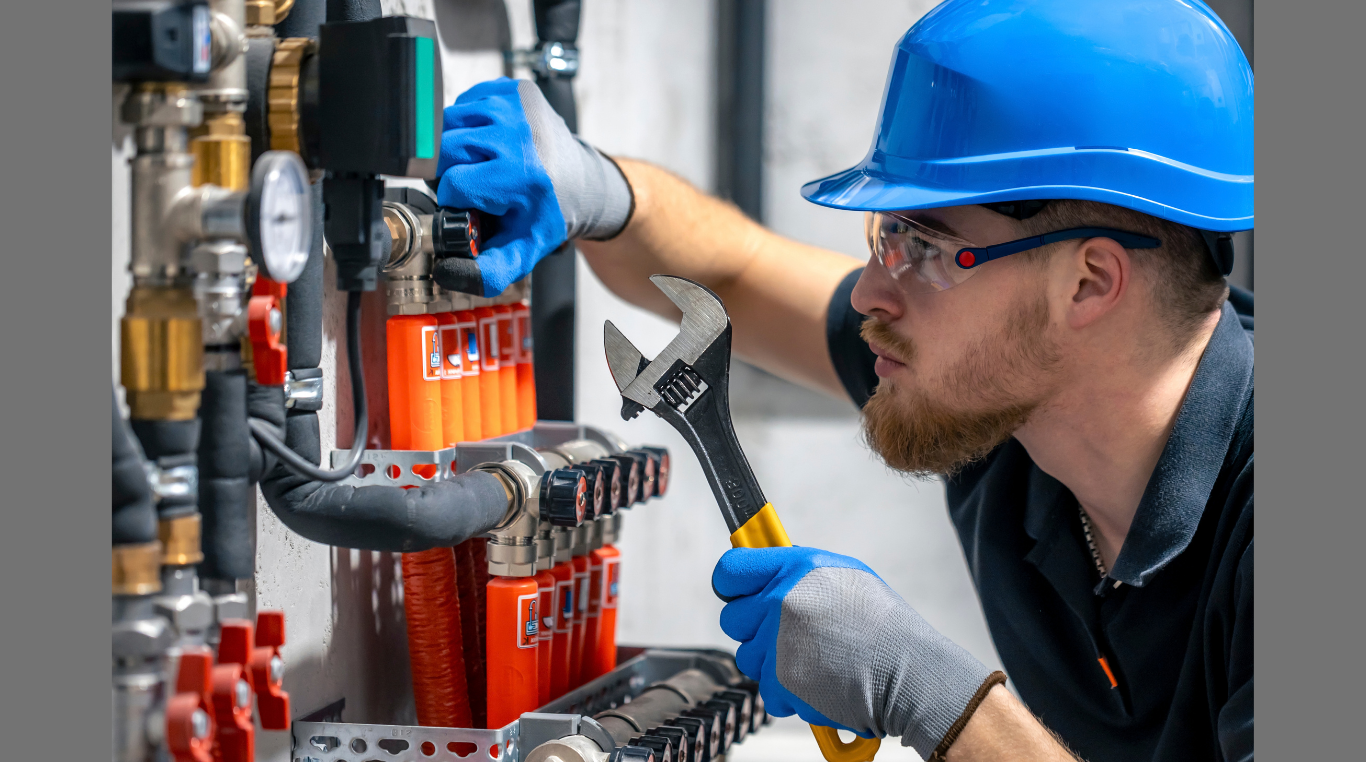
Bathroom repairs involve more than replacing a worn part. A licensed plumbing team traces the fault, protects surrounding surfaces, and tests the finished work. That process matters because leaks behind walls, unstable toilet connections, and poor drainage can cause expensive damage. Skilled technicians inspect the whole fixture system before choosing a repair. The following steps show how that work is handled correctly and why homeowners should avoid rushed fixes in the bathroom.
Bathroom plumbing problems often begin with a small symptom. A licensed plumber checks whether a drip comes from the supply line, valve, drain connection, or fixture body before replacing anything. Homeowners seeking practical guidance can review Champion Plumbing in Minnesota, which explains the scope of bathroom repair services and the issues a professional inspection can address.
Inspection Starts With the Source
A repair begins with a visual inspection of the affected fixture and nearby surfaces. The plumber checks shutoff valves, supply tubes, drain fittings, seals, caulk joints, and visible signs of water damage. Water does not always appear where the leak starts. Moisture under a sink can travel along a cabinet base, while a toilet leak can spread beneath the flooring. Tracing the water path prevents a cosmetic repair from hiding an active plumbing fault.
The technician also asks when the problem occurs. A drain that backs up after several fixtures run points to a different issue than a sink that drains slowly on its own. These details help narrow the inspection.
The Area Is Isolated Before Repairs
Before removing a fixture or opening a connection, the plumber shuts off the correct water supply. The technician then drains residual water from the line and protects the floor, cabinet, and nearby surfaces. Isolation limits water exposure and makes the repair easier to control. It also prevents unnecessary disruption to other bathroom fixtures. If a local shutoff valve does not work, the technician identifies another safe point for stopping the supply.
A licensed team also checks the work area for conditions that could complicate the repair. Limited access, corroded fittings, and damp building materials require careful handling before the replacement begins.
Repairs Should Match the Actual Failure
A loose connection requires a different solution than a damaged valve or cracked fixture. The plumber removes the failed component, checks adjoining parts, and installs a compatible replacement.
Fixtures and Supply Lines
Faucet repairs often involve worn cartridges, damaged washers, loose mounting hardware, or deteriorated supply connections. The technician checks the connection surfaces before fitting a new part. Toilet repairs require careful attention to the tank, fill valve, flush valve, supply line, and base seal. A toilet that rocks needs to be corrected before a new seal can work properly. Tightening hardware too far can damage porcelain, so the technician applies controlled pressure. Shower repairs can involve the valve, showerhead connection, tub spout, or wall-side plumbing.
Drains and Hidden Leaks
A slow drain is inspected before chemical products or forceful tools are used. Hair, soap buildup, foreign objects, and deeper line restrictions require different approaches. Under-sink leaks often come from a loose slip nut, a damaged washer, a blocked trap, or a misaligned drain connection. The plumber checks the entire assembly because tightening one fitting cannot correct a damaged seal elsewhere.
Testing Confirms the Repair
After completing the work, the plumber gradually restores the water supply. This approach allows the technician to watch each connection as pressure returns. The repaired fixture is then operated through its normal functions. A faucet runs, a toilet flushes, or a shower operates while the technician checks for drips, movement, unusual sounds, and drainage problems. Testing also includes the surrounding area.
Conclusion
Correct bathroom repair follows a controlled sequence: identify the source, isolate the water, replace the failed part, and test every connection. This method reduces recurring leaks and protects materials that water can quietly damage. Homeowners should shut off a fixture’s local supply after noticing an active leak, avoid forcing corroded fittings, and contact a licensed plumbing team for inspection. A prompt assessment gives the technician better access to the problem and limits unnecessary damage.
Article received via email