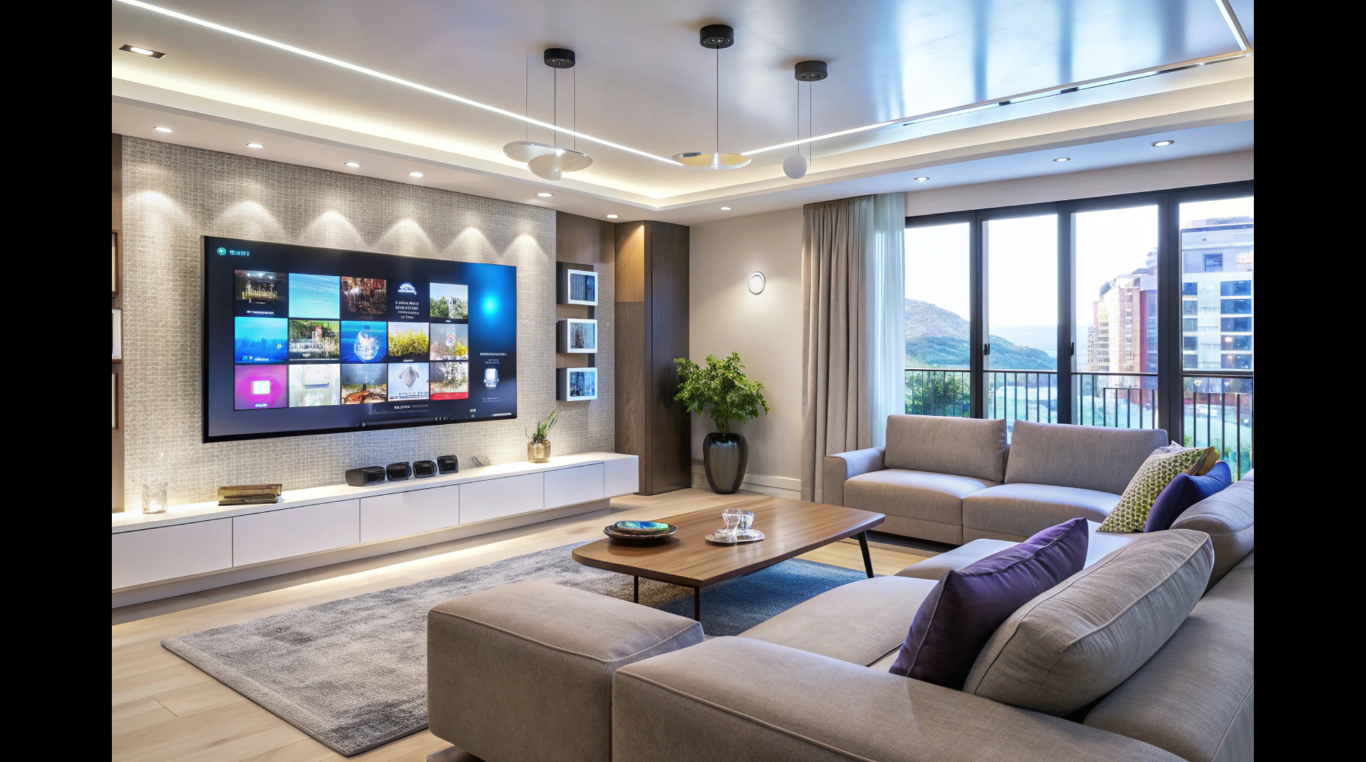
Care rooms must support treatment while limiting hazards created by ordinary fixtures. A television can provide comfort and information, yet exposed mounts, sharp edges, and access panels create opportunities for tampering or attempted ligature use. An anti-ligature enclosure secures the display, limits access, and keeps the screen visible to patients. Its performance depends on the housing, ventilation, maintenance, access, and installation plan, which guide the room’s daily safety and ongoing care. The first question is how the enclosure reduces those hazards.
The mount, housing, fasteners, and viewing panel all affect risk. Staff should assess the television as part of the room, rather than as a separate entertainment item. An anti-ligature TV enclosure secures the screen behind a fixed housing, limits access to mounting hardware, and removes exposed edges that a patient could manipulate. The arrangement protects the display while keeping the picture visible and maintaining controlled access for maintenance.
Construction That Controls Access
The enclosure uses 14-gauge cold-rolled steel, which creates a substantial barrier around the television and related equipment. A low-gloss, matte white powder-coated finish supports routine cleaning and limits glare during viewing.
A 3/8-inch polycarbonate viewing panel, also called Lexan, protects the screen while preserving clear visibility. The material withstands regular contact better than ordinary glass and prevents patients from reaching the television controls or internal components. The removable locking panel gives authorized staff access during service. Multiple keys allow staff to remove the panel and access media equipment without exposing the interior during normal room use.
Additionally, a sloped top removes the flat surface found on many conventional housings. That shape reduces places where someone could attach material or leave objects. Tamper-resistant fasteners secure the enclosure to the wall, limiting attempts to loosen or manipulate the television.
Ventilation and Maintenance
A secure enclosure still needs controlled airflow. The product uses a thermostatic fan layout matched to the television size, which supports an appropriate operating temperature inside the housing. Maintenance access also protects the room’s safety details. Staff can clean or service internal components without disturbing the pick-proof caulking around the enclosure. Preserving that seal reduces the chance that maintenance work will create a new access point or weaken the installation.
Routine inspections should cover the locking panel, fasteners, viewing panel, fan operation, and surrounding seal. A written schedule gives facilities a consistent record and helps staff identify damage before it affects safety or television performance.
Installation and Room Planning
Horizontal surface mounting suits rooms where the television sits on a wall above furniture or equipment. The manufacturer also provides vertical surface-mount and recessed configurations, allowing the enclosure to match the room layout and available wall depth. Facilities should confirm the television model, dimensions, cable paths, power location, and nearby fixtures before ordering. The enclosure accommodates different television sizes and models, with configurations that allow additional media equipment.
Accurate measurements reduce conflicts with headwalls, cabinets, medical equipment, and door swings. They also help installers position the viewing panel at a practical height without creating reachable gaps around the housing.
Compliance and Lifecycle Planning
The enclosure complies with New York State Office of Mental Health ligature-resistant specifications. Those specifications address tamper resistance, restricted access, and the removal of ligature points from the installation. Behavioral health facilities, mental health units, correctional facilities, and emergency departments have different room layouts and operating requirements. A custom-made enclosure allows television housing to match those conditions, rather than forcing staff to adapt the room to a standard cabinet.
The manufacturer provides measuring, design, fabrication, and installation services, although facilities can choose which services they need. Each unit is made to order in the United States, and a one-year warranty covers materials and workmanship.
Conclusion
A television enclosure improves care-room safety by controlling access to the display, removing exposed attachment points, and protecting the installation from routine damage. Its performance depends on more than a steel cabinet, because ventilation, sealed joints, locking access, and accurate placement all affect daily use. Facilities should begin with the television dimensions, wall conditions, nearby fixtures, and maintenance process. That review gives the project team the information needed to select the right configuration and plan a safer installation.
Article received via email