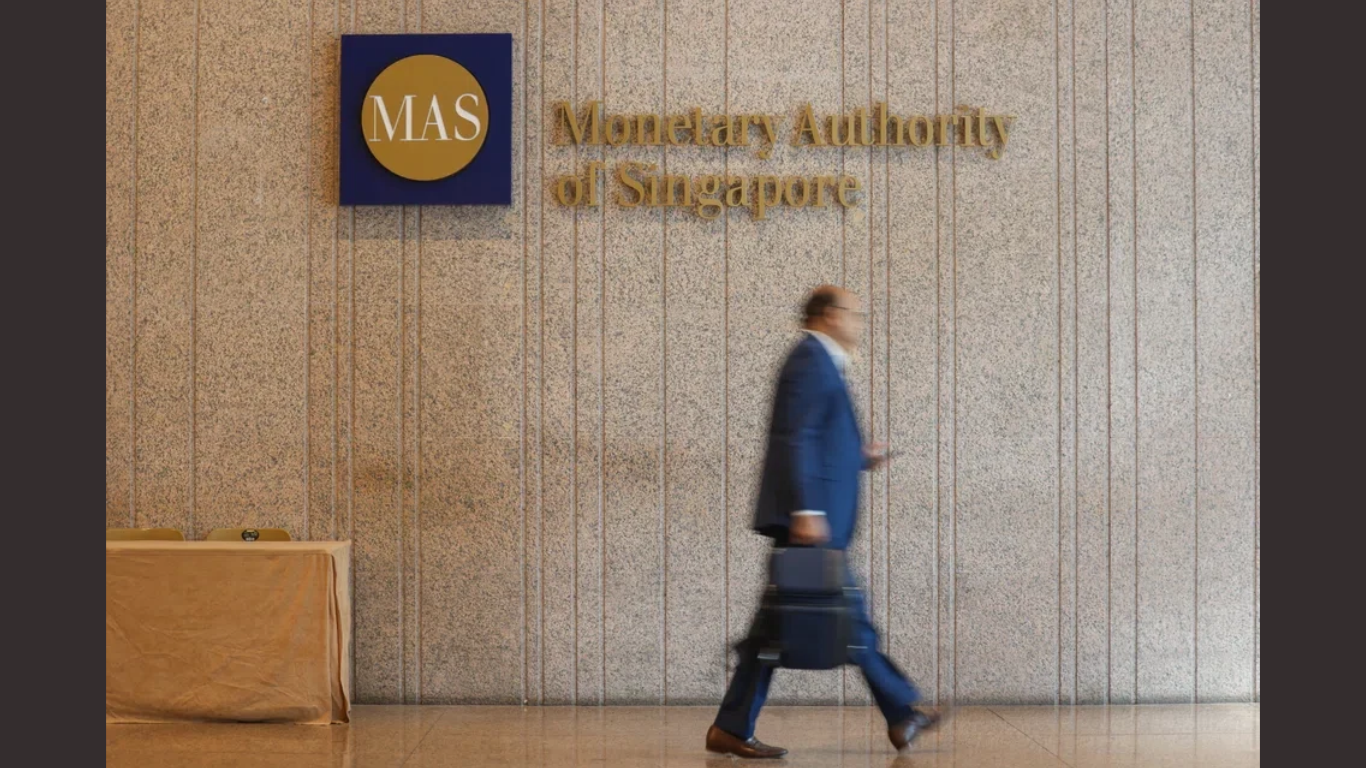
The Monetary Authority of Singapore (MAS) has issued new guidelines spelling out supervisory expectations for financial institutions to manage risks arising from artificial intelligence use.
The Guidelines on Artificial Intelligence Risk Management will take effect on Oct 7, 2027, and apply to all financial institutions and all forms of AI technologies.
The central bank noted in a media statement on Wednesday (Oct 7) that financial regulators and international bodies are “highlighting the need to manage AI risks effectively while enabling firms to realise the benefits of adoption”.
The guidelines follow a public consultation, where respondents expressed “strong support” for a principles-based and risk-proportionate approach, said MAS.
Meanwhile, financial institutions should assess how to best meet these expectations based on the nature and scale of their AI use, it added.
They may implement the guidelines in phases, and should meet the expectations set out in Sections 3 to 4 from Oct 7, 2027, and Sections 5 and 6 by Oct 7, 2028.
The release of the guidelines follows the formation of the AI-Driven Cyber and Technology Risk Taskforce in July by MAS and the Association of Banks in Singapore to strengthen collective cyber and technology resilience in response to the emerging risks posed by frontier AI models.
Key expectations
The guidelines laid out four key expectations for financial institutions to manage risks arising from AI use.
First, the board and senior management of financial institutions should provide effective oversight of AI risks with clear accountabilities. This includes setting clear risk appetite, management frameworks, policies and procedures.