Retail businesses encounter various slip and fall risks due to high foot traffic and changing conditions on their premises. Understanding these hazards, legal obligations, and the role of documentation is essential for effective risk management. This article explores the legal responsibilities of property owners, the main causes of slip and fall incidents, the importance of safety records, and steps businesses should take following an incident.
In busy retail environments, slip and fall accidents are among the most common sources of liability for business owners. These incidents can lead to injury claims, business interruptions, and potential damage to reputation. Addressing these risks requires consistent safety practices, clear internal procedures, and attention to documentation. For business owners in New Jersey, consulting a Paramus premises liability lawyer may provide guidance on meeting local legal standards and strengthening a defense against potential claims.
What is a property owner’s legal duty to customers under premises liability law?
Property owners in New Jersey are required to maintain their premises in a reasonably safe condition for customers and visitors. This duty of care involves actively identifying and addressing hazardous conditions that might result in harm. Steps to fulfill this duty can include inspections, timely cleanups, and prompt repairs of known hazards. Detailed records of these actions can help show responsible site management.
When evaluating a slip and fall claim, courts and insurers often consider whether the property owner took reasonable care. Having a consistent approach to identifying risks and documenting responses plays an important role in demonstrating compliance with premises liability law. Failing to meet these standards may expose a business to increased legal and financial risks.
What are the most common slip and fall hazards in retail stores?
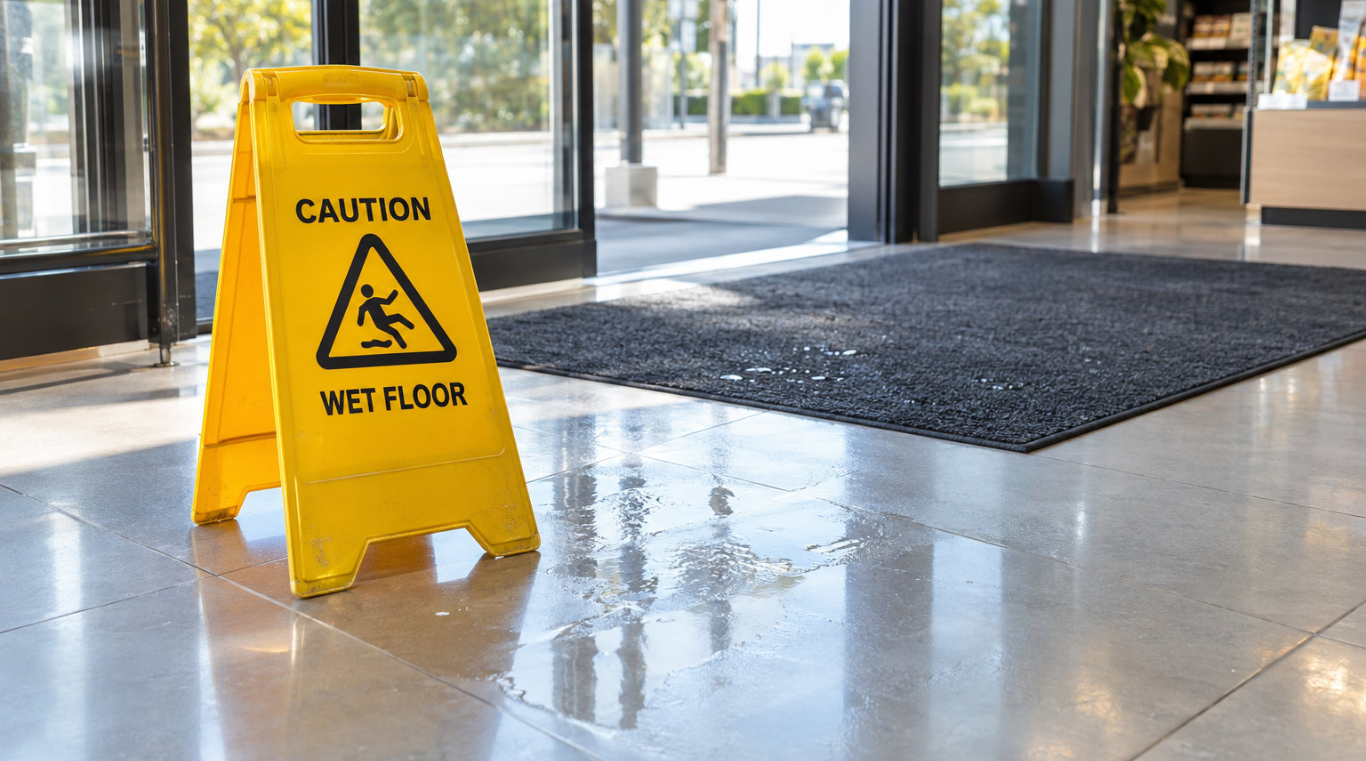
Several hazards regularly contribute to slip and fall incidents in retail settings. Wet floors near entrances and restrooms, scattered debris in aisles, poorly maintained floor surfaces, and inadequate lighting all increase the potential for accidents. Spills from customers or employees, as well as rainwater tracked inside during inclement weather, can quickly make walkways dangerous.
Unattended hazards can be especially risky if regular inspections are not performed or documented. Missed opportunities to address issues, such as misplaced stock or recently cleaned but still-wet floors, may be cited in support of a negligence claim. Consistent hazard identification and rapid response are essential for reducing exposure to liability.
How do inspection logs and maintenance records affect a liability claim?
Inspection logs and maintenance records serve as a record of a business’s commitment to safety. These documents can include routine walkthrough reports, maintenance work orders, cleaning schedules, and vendor service logs. Accurate documentation helps establish when inspections occurred, what hazards were found, who was responsible for addressing them, and what corrective actions were taken.
If a slip and fall incident is alleged, thorough and timely records can provide evidence of a business’s practices. However, incomplete, inconsistent, or altered records can undermine the credibility of a defense. Ensuring all logs are filled out as events occur, with clear assignments and proper sign-off, strengthens the documentation and may improve a business’s position in case of a claim.
What steps should businesses take after a customer falls?
Following a slip and fall incident, businesses should immediately secure all relevant inspection logs and maintenance records. Preserving documentation from the date of the event and any surrounding period is important, as it may be requested by claimants or insurance providers. A standardized process for reporting and retaining incident information helps ensure that necessary records are available if claims arise.
Regular review of safety documentation can reveal recurring hazards or trends requiring attention. Using this information to enhance internal training and operational procedures can help reduce the risk of future incidents and provide additional support for the business when responding to liability claims.
Article received via email