It seems as though each year, everything is becoming more and more expensive. Car insurance used to be the sort of thing that could challenge household budgets and force folks to choose between having to forgo a vehicle due to the insane costs and opting for public transport or choosing another expense to cut if they needed their car for work.
We are going to explore a few trends in this space that are currently making their way through 2026 to help provide a more well-rounded picture of the industry.
State Of The Market: Where Premiums Stand
Perhaps the most common question from those either renewing or taking out their first premium is, “How much will it cost them?” Will it be more or less than the previous year, or perhaps have costs remained static? Well, rather annoyingly, the answer is “it depends.” In more rural states like Vermont and Iowa, rates are relatively low and, in some cases, even falling. Conversely, states like New Jersey and Nevada are experiencing some of the highest rate hikes seen in a long time.
Then you have states like Texas, which have seen rates remain at higher levels due to a much higher onset of extreme weather events and a larger uptick in the number of cars on the road. It’s still possible to find premiums that are less eye-watering in the Lone Star State by comparing Freedom Insurance Group Texas car insurance quotes with your existing insurer and seeing if there are savings to be made. But to put things in perspective, we can compare the state with the greatest reduction (Iowa at -6.19%) with the state that has shown the highest increase in premiums (New Jersey at +10.46%). This gives you an idea of how much your location can impact.
The Rise Of “Intelligent Insurance”
We can’t discuss anything about 2026 without seeing it through the lens of AI, and particularly industries like insurance that increasingly rely on AI for multiple actions. While we may not like AI encroaching into almost all aspects of our lives, in this situation, AI can actually help to reduce the premiums of those who engage in safe driving. AI is also having the effect of speeding up claims and coming to a claims figure that more accurately reflects real-world data over more traditional ways of doing business.
| Feature | Traditional model | AI-driven focus |
| Pricing | Static (age, zip code, credit score, etc.) | Dynamic modeling based on usage and driver behaviors. |
| Claims | Manual reviews often taking days or even weeks to process | AI-assisted and typically occur in a matter of minutes at the estimation stage |
| Risk focus | Reactive | Proactive |
The EV And Technology Impact
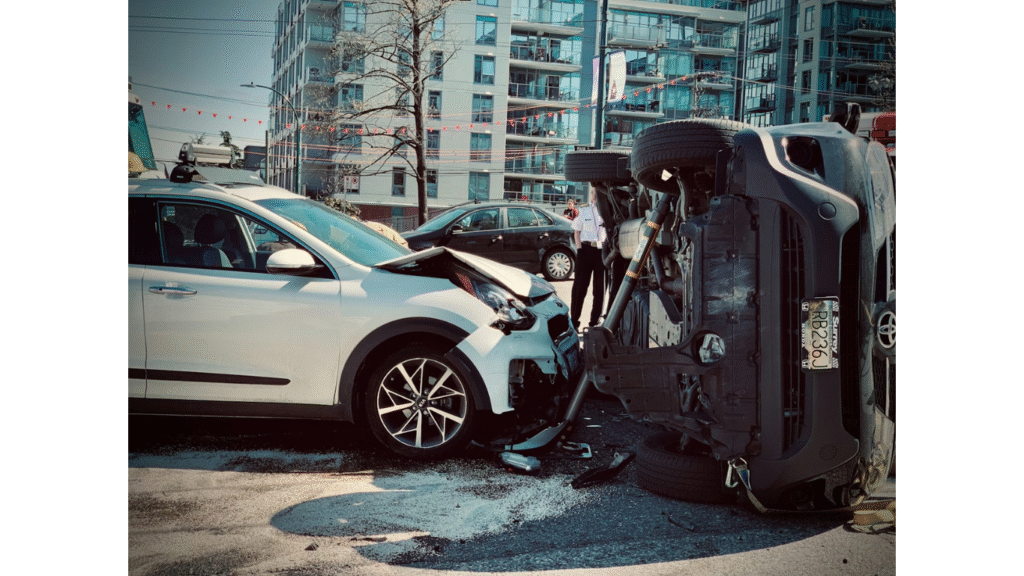
Along with the rapid rise of electric vehicle adoption also comes the enormous repair bills and deductibles that this technology (as well as the increasingly crowded tech stack found in normal cars) necessitates.
In other words, it has created a repair paradox in which driving these cars is safer due to the technology embedded within them, but it frequently results in higher repair bills due to the expensive technology. However, there are some interesting observations that show this:
- The closing EV premium gap: In 2024, EVs used to be considerably more expensive to insure than regular vehicles for many reasons (usually to do with the cost of the battery). But in 2026, the gap has narrowed to around 18%, and while still a lot higher, the downward trend indicates that they are becoming more mainstream.
- The cost of spare parts and repairs: While modern driver assistance systems have reduced the number of claims overall, the average fender-bender now costs a lot more than it used to due to the inclusion of costly sensors and materials.
- Battery health transparency: One of the variables that causes the difference in premiums between ICE and EV vehicles is the cost of the battery. But with better sensors and real-time “state of health” data, insurers can now see battery degradation more clearly and use it to better come up with a rate.
- Autonomous liability: When it comes to EVs, the elephant in the room is autonomous driving. While true autonomy is not yet fully legal, they do allow a “hands-off” approach that typically results in safer highway driving.
The insurance environment is constantly in flux, and 2026 is no different. But as we have noted, there are still large variations in rates based on numerous factors, some more or less obvious than others, requiring careful, objective evaluation.
Article received via email