Smart pet products have to work in messy, unpredictable homes. Feeders, water dispensers, interactive toys, cameras, and litter devices must be safe around animals, easy to clean, and simple for owners to understand. Their reliability depends on the fit between electronics, mechanical design, firmware, power, and production controls.
Write a use-case specification first
The development brief should state the pet type and size range, intended environment, food or water contact requirements, cleaning method, target runtime, charging or mains-power arrangement, connectivity, noise limits, operating modes, and foreseeable misuse. It should also identify product claims that require verification, such as portion accuracy, sensor response, leak resistance, app functions, or operating time.
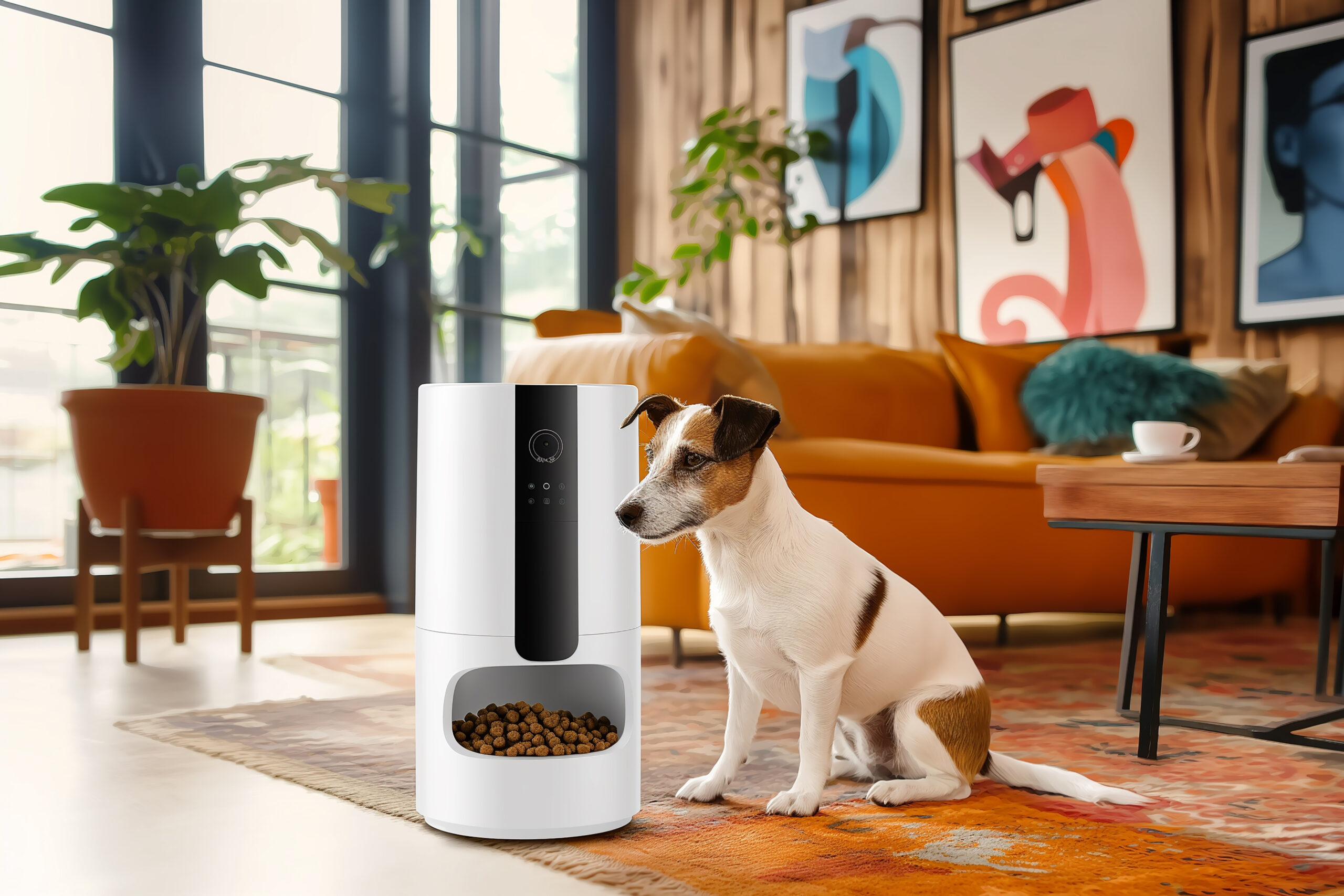
The product category is broader than novelty gadgets. Smart pet product programmes can include feeders, water fountains, interactive toys, and hygiene equipment, each with different material, motor, sensor, and safety considerations. A design suitable for an electronic toy may be unsuitable for a water-contact device or an automatic feeding mechanism.
Protect electronics through disciplined assembly
Electronic reliability starts with the bill of materials, board layout, assembly method, and test plan. Teams should define solder-joint requirements, component traceability, ESD handling, inspection points, firmware loading, functional test coverage, and rework controls. During development and production support, suitable soldering and rework equipment helps technicians perform controlled assembly, prototype changes, and repair without introducing avoidable heat damage.
The tool is not the quality system. Temperature settings, tip selection, dwell time, operator training, inspection, and records determine whether a soldering process is repeatable. For small electronic assemblies, thermal exposure around plastics, connectors, batteries, and sensors should be assessed before approving a rework method.
Test the product as an owner will use it
Bench tests alone are not enough. Validation should include:
- Repeated operating cycles with representative food, water, or moving parts.
- Charging, battery, and power-loss behaviour.
- Noise, stability, tip-over, pinch-point, and cable-management checks.
- Cleaning and reassembly by typical users.
- Connectivity recovery and app or control logic where relevant.
- Packaging and transport testing for the final retail configuration.
Plan for service and iteration
Consumer devices need a clear route for spare parts, firmware updates where applicable, fault diagnosis, and feedback from returns. The development team should decide which components are replaceable, what information is captured from failures, and how design changes are approved across manufacturing lots.
A clear use-case brief, controlled electronics assembly, and realistic validation give brands a product that pets and owners can rely on.
Design for hygiene, safety, and real household conditions
Pet products are used around food, water, fur, teeth, paws, and cleaning chemicals. Design reviews should consider food-contact components where applicable, water paths, cleaning access, sharp edges, detachable parts, stability, cable protection, battery compartments, and potential pinch points. The product should be tested with the types of contamination and user behaviour it will actually encounter, not only in a clean engineering environment.
Instruction design is part of the product. Owners need clear setup, cleaning, charging, pairing, and troubleshooting steps. If filters, bowls, sensors, batteries, or consumable parts are replaceable, the replacement process should be intuitive and the part identifiers should be unambiguous. A strong unboxing experience reduces avoidable support contacts and protects review ratings.
Build a launch feedback loop
Before launch, define the information that will be captured from returns, support tickets, app reviews, and distributor feedback. Categorise faults by product function rather than only by customer complaint wording. For example, “does not work” may be a charging issue, a jammed mechanism, a wireless pairing problem, or incorrect assembly after cleaning. Trend data allows product teams to address root causes instead of treating every return as an isolated event.
Brands should also prepare spare-parts and service policies before the first shipment. A replacement seal, pump, cable, bowl, or filter may solve a customer problem more quickly and sustainably than replacing an entire device. Planning that support route at development stage creates a more credible long-term product offer.
Reliable pet products are built with the complete ownership journey in mind. When engineering, electronics assembly, hygiene, validation, and after-sales support are aligned, brands can turn a promising concept into a dependable consumer product.
Article received via email