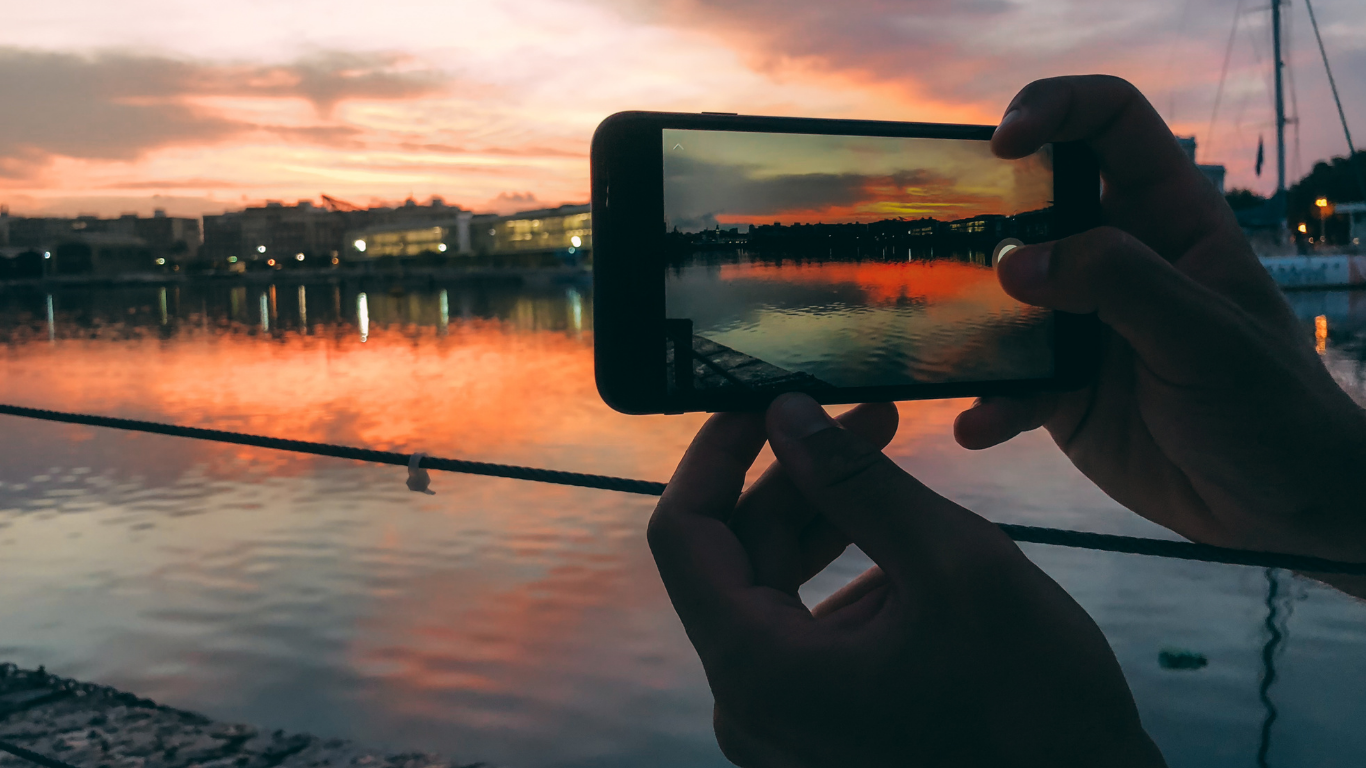
Evenings often bring lively social scenes, from bustling street markets to late-night dinners with friends. While these settings feel vibrant in person, capturing them accurately on a smartphone camera can be challenging. Mixed lighting—fluorescent tubes, neon signs, and warm lamps—can make faces appear too dark or washed out, and backgrounds may lose their details.
Recent smartphones from different brands are tackling these challenges through a combination of advanced hardware and smart software. Devices like the OPPO Reno15 Pro Max, Samsung Galaxy S25, and iPhone 16 Pro each offer unique approaches to improve low-light photography.
Balancing Exposure in Nighttime Scenes
Capturing a photo at night isn’t just about making it brighter. The real task is balancing multiple light sources while preserving natural tones. Streetlights, neon advertisements, and indoor lamps all have different color temperatures, which can create harsh contrasts in images.
Some smartphones now rely on AI-based flash or night modes to handle this. For example, OPPO devices apply AI-driven exposure adjustments to reveal facial features without overexposing the surroundings. Meanwhile, Samsung’s Night Mode and Apple’s Smart HDR capture multiple frames and merge them to retain both subject and background clarity. These technologies aim to replicate what the human eye sees—balanced lighting rather than extreme contrasts.
Portrait Photography at Night
Taking portraits in low-light settings presents extra challenges. Maintaining a natural look while separating the subject from the background requires careful processing.
Modern phones use dedicated portrait engines or computational photography techniques. The OPPO Reno15 Pro Max applies multi-dimensional calculations to maintain balance between subject and environment. Apple’s iPhone 16 Pro emphasizes depth mapping and realistic lighting simulations, while Samsung’s Galaxy S25 uses AI-based scene optimization. Each approach helps produce photos that feel realistic and not artificially enhanced.
AI-Based Enhancements
Many smartphones now include AI enhancements that automatically adjust images right after capture. These features can improve lighting, sharpen details, and balance exposure.
For instance, OPPO devices analyze the scene to adjust brightness and color tone, while iPhones use computational photography for HDR adjustments, and Samsung phones optimize scenes using AI algorithms. Some features may require internet access, depending on the device and software setup, but all aim to reduce manual editing and improve realism.
Accurate Skin Tones in Low Light
One common issue in night photography is preserving accurate skin tones. Artificial lighting can cause skin to appear too warm, cool, or unnatural.
To address this, smartphones use specialized algorithms. OPPO devices use tone-mapping systems to balance color naturally, Apple relies on consistent color reproduction across lighting conditions, and Samsung adapts colors dynamically to match the environment. These techniques help ensure that photos of friends and family appear natural, even in challenging lighting.
The Role of Camera Hardware
Software alone isn’t enough—hardware plays a key role. Larger sensors, higher megapixel counts, and versatile lenses allow more light and detail to be captured.
For example, the OPPO Reno15 Pro Max includes a high-resolution main camera and a dedicated portrait lens. Similarly, Samsung and Apple devices combine large sensors with optical enhancements to improve low-light performance. Front-facing ultra-wide cameras have also become standard, allowing wider group shots during gatherings or dinners.
Battery capacity is another consideration, as AI and night photography processing can consume significant power. Devices like the Reno15 Pro Max, Samsung Galaxy S25, and iPhone 16 Pro all balance performance with extended battery life to support evening photography.
Capturing Social Moments Naturally
Ultimately, modern smartphones aim to capture social moments authentically. Whether at a street food stall, a night market, or a late-night dinner, cameras strive to reproduce the atmosphere as it appeared in real life.
By combining improved sensors, AI-driven processing, and intelligent color management, these devices bring the gap between human vision and photography closer than ever. Users can now document memories more naturally, without worrying about lighting challenges or post-editing.
Article receive via email