There is a quiet revolution happening in the European automotive aftermarket. Reclaimed auto parts – components removed from end-of-life vehicles and made available for reuse – have been part of the automotive landscape for decades. But something has changed. What was once a niche market associated with budget repairs and backstreet scrapyards has transformed into a sophisticated, rapidly growing industry attracting attention from drivers, mechanics, policymakers and environmental advocates alike.
What Are Reclaimed Auto Parts?
Reclaimed auto parts – also called salvage or second-hand components – are genuine original equipment parts removed from vehicles that have reached the end of their useful life. These end-of-life vehicles are processed by licensed dismantlers who assess individual components and make reusable ones available for resale.
Crucially, reclaimed parts are genuine OEM components, manufactured to the original vehicle maker’s specifications. They are not reproductions or approximations. This distinguishes them from budget aftermarket alternatives made by third parties. For drivers who want genuine OEM quality without the OEM price tag, reclaimed parts occupy a uniquely compelling position.
Why Demand Is Growing So Fast
Several converging trends are simultaneously pushing buyers towards reclaimed components.
The first is cost. Vehicle maintenance has become significantly more expensive, driven by rising parts prices, increasing vehicle complexity and growing labour rates. Reclaimed parts offer savings that are genuinely substantial. A quality reclaimed component typically costs two to five times less than the equivalent new part. For major components such as engines, gearboxes or electronic assemblies, the saving can run to hundreds of euros on a single repair.
The second driver is environmental awareness. According to the European Environment Agency, producing new automotive components is one of the most resource-intensive manufacturing activities in Europe. Every reclaimed part that is reused avoids those production costs entirely – an environmental benefit that increasingly factors into consumer purchasing decisions.
The third driver is digital accessibility. A buyer who previously needed to visit multiple scrapyards in person can now search millions of references from thousands of sellers across Europe in seconds. Platforms like OVOKO auto parts illustrate the scale of what is now possible, bringing together the inventories of over 4,000 scrapyards and dismantlers into a single catalogue of more than 23 million parts references. This level of aggregation has been one of the primary catalysts for the acceleration in demand the market is currently experiencing.
The Role of European Legislation
The EU’s End-of-Life Vehicles Directive establishes requirements for the collection, treatment and recycling of end-of-life vehicles across all member states. According to the European Commission, it has been instrumental in professionalising the automotive dismantling sector and raising standards throughout the supply chain.
More recently, the European Green Deal and Circular Economy Action Plan have explicitly identified the reuse of automotive components as a priority, with measures designed to encourage repair and reuse over replacement with newly manufactured parts. This policy environment strongly supports continued market growth.
What’s Available and What to Expect
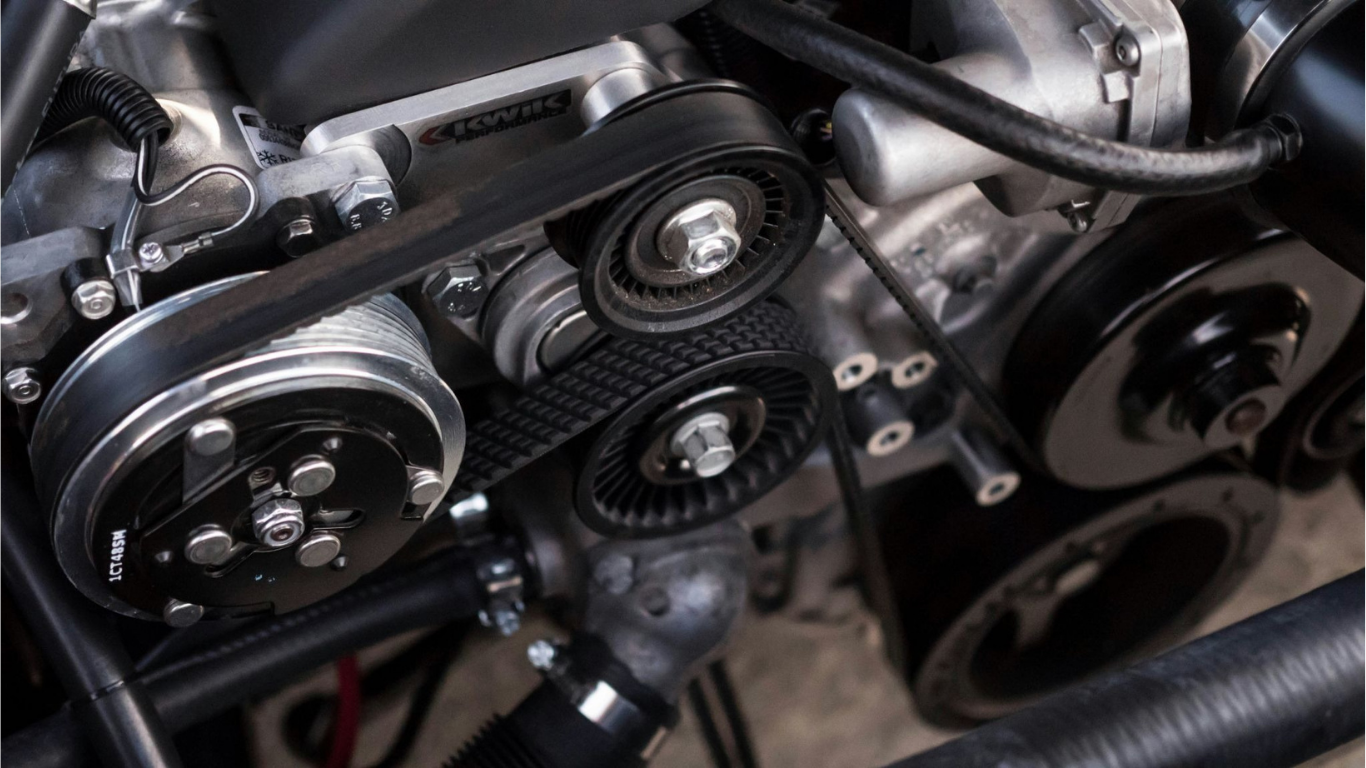
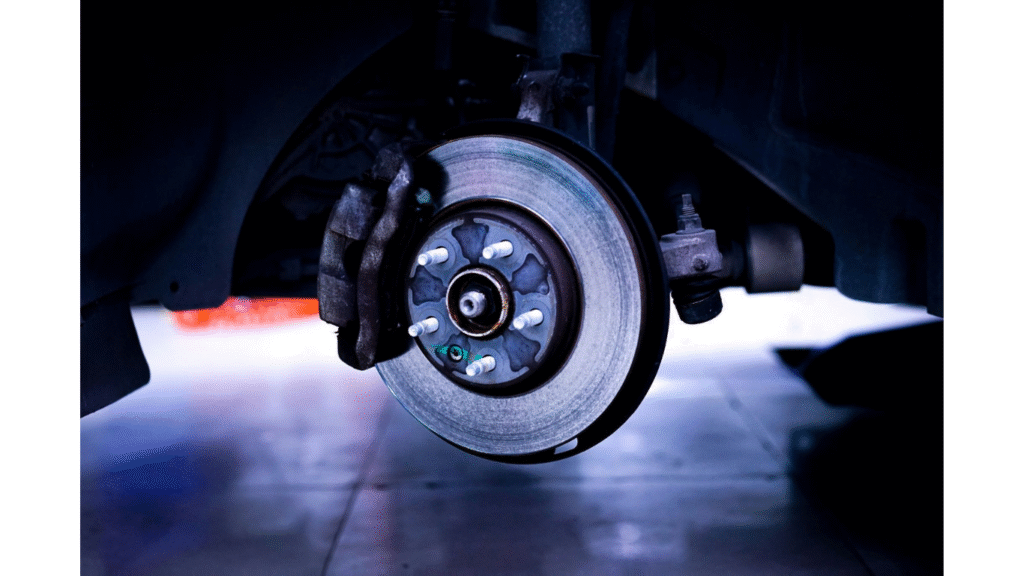
The range of reclaimed components is broader than most drivers imagine. Body panels, lighting assemblies, mechanical components such as engines and gearboxes, and electronic units including control modules and infotainment systems are all widely available.
For mechanical parts, the mileage and age of the donor vehicle are the primary quality indicators. A part from a low-mileage, recently scrapped vehicle will typically offer excellent remaining service life. For electronic parts, compatibility verification is especially important, as programming requirements can vary between apparently identical units from different vehicles.
The Road Ahead
The trajectory of the reclaimed parts market points clearly towards continued growth. As new vehicles become more expensive to buy and repair, the economic case for reclaimed components strengthens across an ever-larger share of the fleet. Electric vehicles add a new dimension, with high-value battery packs and power electronics set to generate a substantial reclaimed parts supply as early EVs reach the end of their first life cycle.
For drivers, mechanics and fleet operators across Europe, the message is clear: the reclaimed parts market is no longer a niche alternative. It is a mature, growing industry that offers genuine value, genuine quality and genuine environmental benefit. The demand growth reshaping this market is not a trend – it is a structural shift, and it is only going to accelerate.
Article received via email