Fuel management on vehicles running on time is always a concern for fleet managers. Though conventional gas station fueling has always been the go-to option, several businesses are considering other options to minimize downtime and enhance efficiency. The reality of fueling is much more complicated than the cost of fuel per gallon, and many other costs can be attached to fueling – labor, route interruptions, administrative costs, vehicle productivity, etc. – as explained in Fuel Logic’s guide, Fleet Fueling vs Gas Station Fueling. Knowing these hidden costs can help fleet managers make more informed decisions in their operations.
New fleet fueling service brings fuel right to the vehicle, bypassing many delays at retail fuel stations. On-site fueling programs can contribute to increased productivity and more certain costs of operation by decreasing off-road travel, tracking fuel use, and making sure vehicles are fueled at the start of each day. As businesses strive to maximize their resources and optimize their operations, the need for a more efficient fleet management strategy becomes increasingly crucial, and an integral part of that is their fueling practices—whether at a fleet fueling station or at a gas station.
Learn How Fleet Fueling Services Work
Fueling services are offered to businesses, jobs, or parking locations to provide fuel. Fuel provider refuels vehicles outside of business hours at retail gas stations, without drivers stopping at these stations. This allows fleets to start the shift with a full tank and be prepared to go to work.
Advanced tracking systems are used in most fleet fueling programs to track fuel usage, vehicle information, and delivery details. These records enable businesses to track their consumption and track their fuel usage in vehicles.
Other Hidden Costs Associated with Gas Station Fueling for Businesses
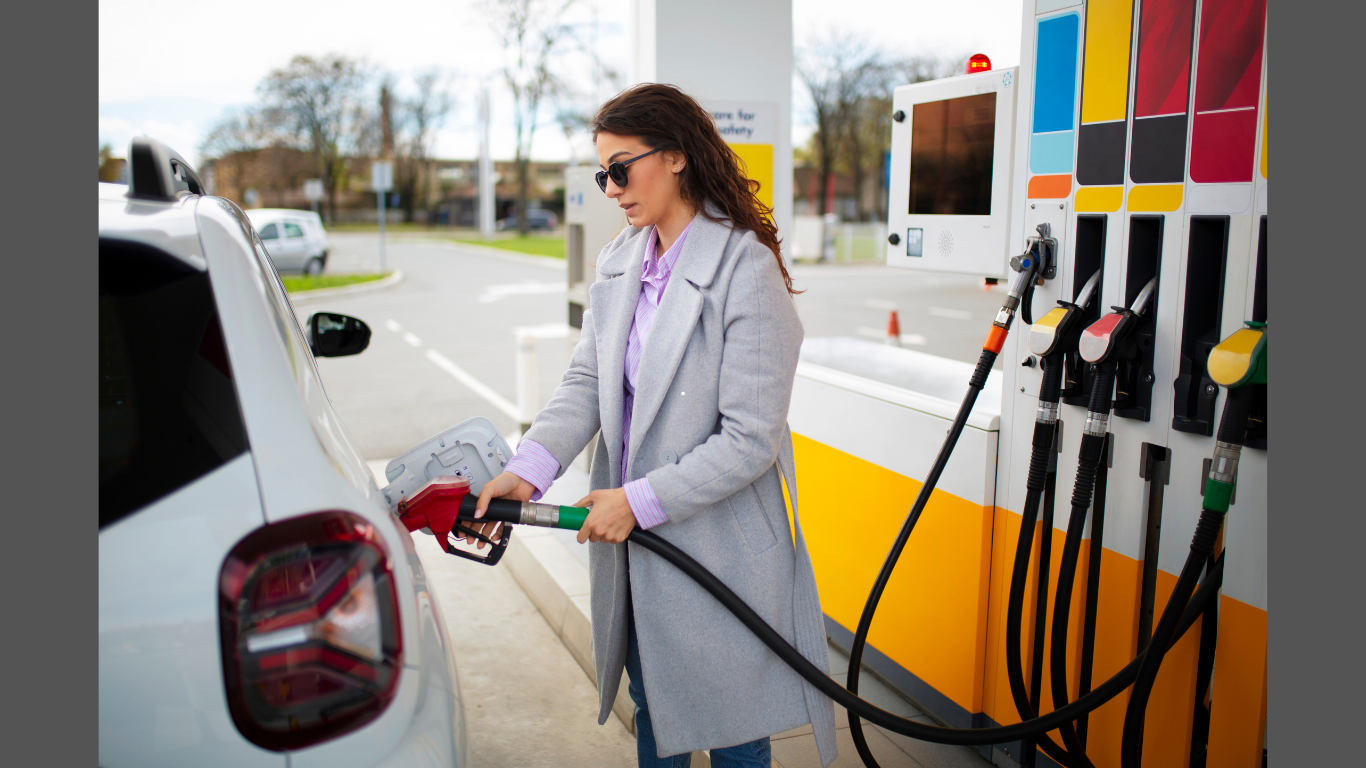
Fueling a vehicle at a gas station can seem like a simple task, but the overall cost can be more than just the gas. Drivers must travel to stations, stand in line and then get back on their routes, which can waste time and work productivity, and result in higher labor expenses.
Other costs can be incurred, such as:
- Untracked fuel purchases
- Excessive wear on vehicles due to unnecessary travel
- Reconciliation of fuel receipts (administrative time)
- More room in which unauthorized transactions can occur
- The comparison of the time efficiency of fleet and retail fueling
Comparing Time Efficiency Between Fleet and Retail Fueling
Time is a valuable resource for any fleet operation. When filling up retail fuel, staff need to take time off their routines to travel to gas stations, leaving a lot of time between the change to the pump and getting back to their jobs.
Fleet fueling eliminates these interruptions by bringing fuel directly to vehicles. Refueling takes place when the vehicles are parked, which means that drivers can attend to their duties rather than spending work time at the pump.
On-Site Fueling Can Help Boost Driver Productivity
Fuels on-site benefit driver by not having to make a fuel stop to start their shift. This empowers them to spend more time on deliveries, service calls, transportation routes, or other operational duties.
Greater productivity levels can also lead to better scheduling and customer service. By minimizing the time drivers spend managing fuel, companies can leverage routes for maximum efficiency and get more done during the day.
The Advantages of Fleet Fueling
Fuel tracking is a critical process for cost control and analysis of operations. There are tools with detailed reporting that many fleet fueling companies provide, which automatically document fueling deliveries, vehicle mileage, and consumption.
These reports can be of benefit to managers:
- Monitor fuel spending
- Recognise unusual fuel use
- Simplify accounting processes
- Enhance budgeting and forecasting procedures
Reliable data provides better information for informed decisions and more visibility into fleet operations.
Safety Precautions for a Fleet and Gas Station Fueling
Fueling can be done either way, and both involve the correct safety measures. Some of the risks involved with drivers visiting an active gas station can be lessened for fleet fueling. Professional fueling technicians have been trained to deliver fuels in compliance with industry and safety standards.
Drivers are exposed to traffic conditions, high levels of congestion, and distractions while filling up at gas stations. Conducting fueling activities at a controlled location can enhance control of businesses and ensure uniform fueling procedures.
Initiatives to Prevent Fuel Theft and Unauthorized Purchases
Theft and misuse of fuel can have a huge effect on the cost of operation. Often, traditional fuel card programs expose businesses to unauthorized fuel card use, card sharing, or reporting errors.
Vehicle-specific tracking and documented fuel deliveries are often better mechanisms for holding a fleet accountable for fueling services.
Benefits may include:
- Detailed transaction records
- Measurement of fuel amounts received.
- Limited opportunities for unauthorized fueling.
- More visibility throughout the fleet.
Scheduled Fleet Fueling Programs Offer a Range of Environmental Benefits
Unnecessary vehicle movement can be minimized with scheduled fleet fueling programs. Fleets can potentially reduce fuel consumption and emissions because it’s no longer necessary to make multiple trips for fuel.
Many providers also optimize delivery routes and employ state-of-the-art equipment that enables optimized fuel handling. These practices not only support sustainability goals but are also effective in running practices.
Beyond the Price-Per-Gallon Analysis of Fuel Costs
While it is true that the lowest fuel price may not be the lowest total fueling cost, there is no way to make it. When assessing fueling strategies, businesses may want to take into account the cost of labor, vehicle downtime, administration, and business interruptions.
A thorough costing exercise could show that productivity and efficiency improvements outweigh the increased fuel consumption. The total fleet operation costs can be better judged when considering the pump price.
Key Factors to Look At When Selecting a Fueling Strategy
Deciding on the appropriate fueling strategy depends on the size of the fleet, its operating schedule, its service area, and its budget. In some cases, on-site fueling is convenient, and in others, retail fueling may be adequate.
Important considerations include:
- The number of vehicles and the number of fleets
- The daily usage and mileage will be recorded
- Driver productivity goals
- Reporting and compliance requirements
- Long-term operating costs
These factors should be considered when selecting a fueling strategy to help organizations achieve greater efficiency, cost control, and overall business goals.
Article received via email