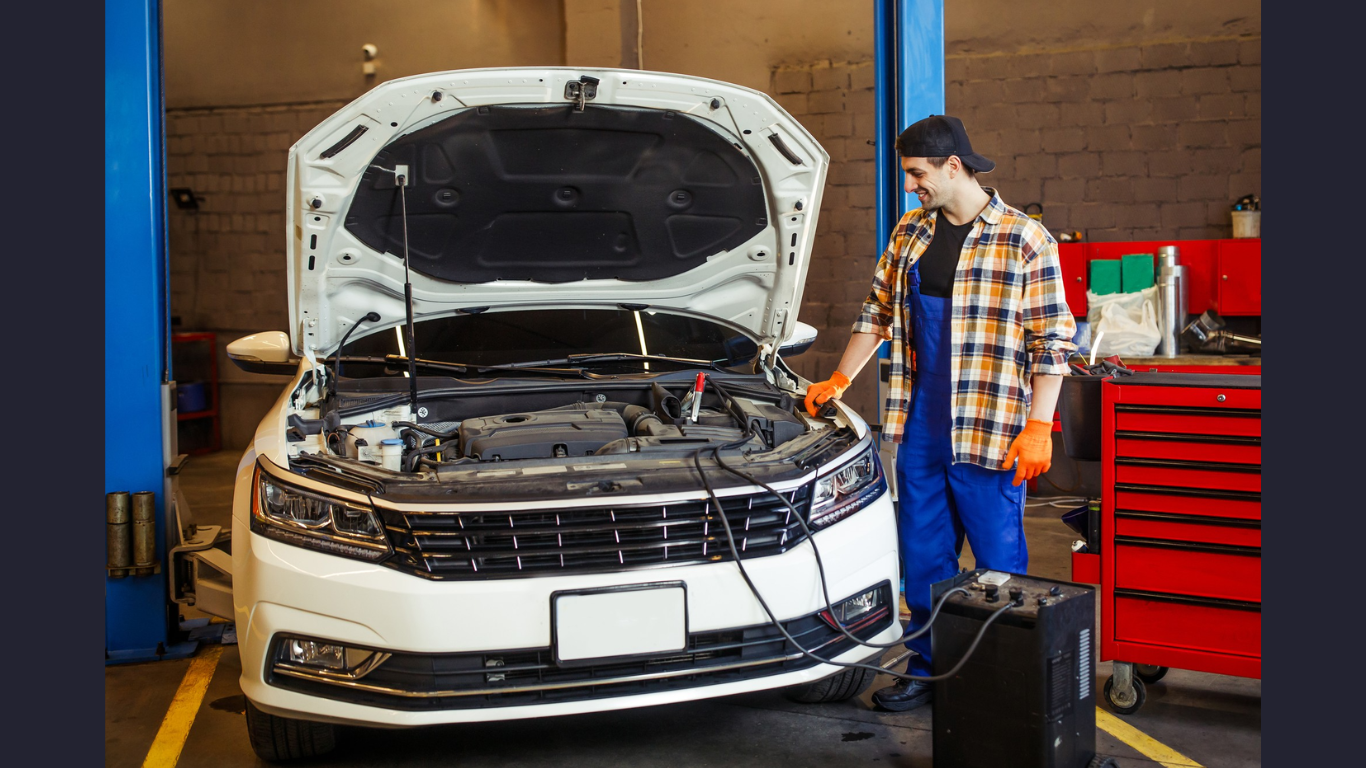
A vehicle can be fully paid off and still be an expensive asset to keep.
That is easy to overlook in a small business because no new purchase invoice arrives each month. An older van or second car can feel cheap because the largest cheque was written years ago. But the real question is whether keeping it now creates more value than selling it.
Purchase price is already gone
What the business originally paid may matter for accounting and tax records, but it should not determine whether the vehicle stays. That cash is already gone.
The same applies to recent repairs. They are sunk unless they increase the vehicle’s usefulness or resale value.
The forward-looking question is: what economic job will this vehicle perform over the next 12 months?
“Backup” can be legitimate. A contractor may lose more from one day without transport than it costs to keep a spare van. But if nobody can identify when the vehicle was last needed or what a rental or short-term lease would have cost instead, the business may be paying for optionality it rarely uses.
Work with net recoverable value
A private-sale asking price is not cash. Focus on what the business would actually retain:
Net recoverable value = expected sale proceeds – repairs or preparation – selling costs – carrying costs during the sale period.
A vehicle may command more after repairs, but selling as-is can still be better if the repair bill, delay and risk absorb most of the difference. The key is the incremental value created by the repair.
Speed also has a price
There is no single best selling channel. A private listing may produce a higher price, but it requires photos, messages, appointments, negotiation and time. A trade-in is faster, but usually tied to another purchase.
A direct buyer offers another benchmark. For an owner selling an older vehicle, an as-is quote can be compared with dealer trade-in and private-sale estimates because it puts a value on speed and certainty.
If the private market is likely to produce a meaningful premium and the vehicle can sit without extra costs, waiting may be rational. If that premium becomes small after preparation, delay and management time, a faster sale may be better even at a lower headline price.
A backup vehicle is valuable only if it is reliable
A spare vehicle makes sense only when it can replace a primary one at short notice. A car that needs a battery, has warning lights, sits on old tires or cannot be trusted for a long trip is not a dependable substitute.
The business may think it has redundancy while still facing emergency rental or downtime costs when the primary vehicle fails. A vehicle that is too useful to scrap but too unreliable to depend on can remain in limbo for months, while small costs accumulate.
Space and timing matter too
For businesses in Toronto and the GTA, a vehicle may also occupy valuable space. One company may have almost no storage cost; another may be giving up parking, loading space or room for active equipment.
Unused vehicles also deteriorate. Batteries discharge, tires age, brakes can suffer from sitting and market demand changes. Waiting is not a neutral default.
Repair, keep or sell?
A useful review comes down to four questions:
- What specific job will the vehicle perform in the next 12 months?
- What will keeping it cost? Include insurance, storage, maintenance and foreseeable repairs.
- What could the business recover today through several exit channels? Compare net results, not headline prices.
- What could the released cash and space do instead?
The decision becomes clearer once “keep it” is treated as an active investment choice. A vehicle that earns revenue, prevents costly downtime or provides dependable capacity can justify staying. One that does none of those things needs a stronger reason to remain. Being paid off is not that reason.
Blog received via e-mail