As companies grow, physical space often turns into a limiting factor. Offices fill up with equipment, inventory expands beyond its original footprint, and work areas become crowded. Space constraints rarely appear overnight. They develop gradually, shaped by growth, shifting operations, and changing customer demands.
When space becomes tight, businesses must rethink how they operate. Adapting does not always mean relocating or downsizing. Many organizations discover that smarter planning, better layouts, and flexible strategies allow them to continue scaling without disrupting daily work.
Rethinking Workspace Layouts
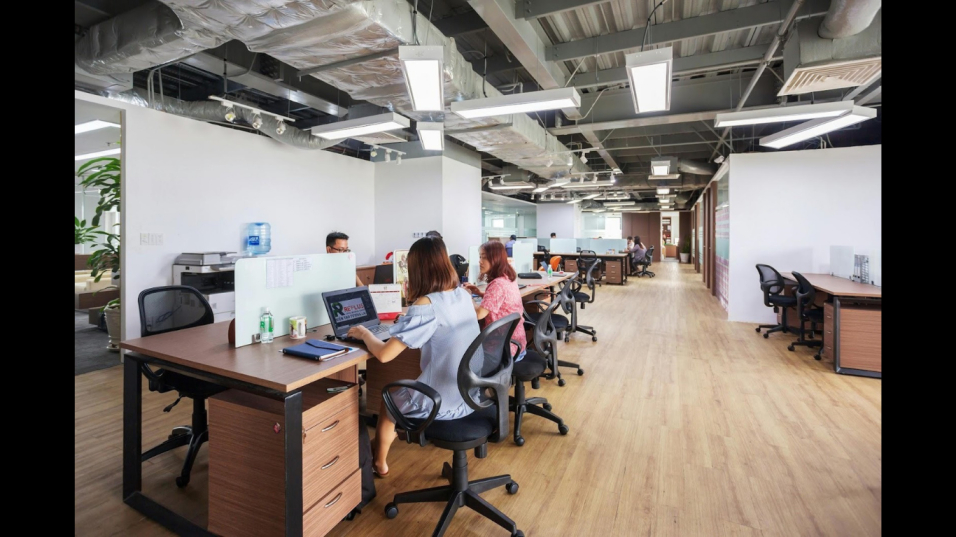
One of the first adjustments businesses make when space becomes limited involves reorganizing existing areas. Desks, storage zones, and communal spaces are carefully evaluated to determine how efficiently they are being used. Even minor changes to layout can lead to noticeable improvements in workflow and comfort.
Open floor plans, shared workstations, and modular furniture help teams maximize available square footage. These flexible arrangements allow spaces to adapt as teams grow, project demands shift, or departments need to collaborate in different ways.
Clear zoning further improves efficiency. Separating quiet work areas from collaborative or high-traffic zones reduces congestion and distractions, keeping employees productive even when space is restricted.
Shifting Toward Flexible Work Models
Remote and hybrid work arrangements have become effective strategies for easing space constraints. Allowing employees to work off-site reduces the demand for permanent desks, meeting rooms, and large office footprints.
Flexible scheduling complements this approach. Rotating in-office days and shared workspaces help businesses maintain collaboration while preventing overcrowding. Teams can coordinate efficiently without needing additional square footage.
Adopting flexible work models often brings additional benefits. Lower utility costs, reduced real estate expenses, and improved employee satisfaction are common outcomes, demonstrating that adaptability can support operational efficiency and workforce well-being.
Improving Inventory And Asset Management
For businesses that manage physical goods, storage quickly becomes a pressing issue as operations expand. Overstocked items, outdated equipment, and poorly organized inventory quietly consume valuable space. Without regular oversight, storage areas can limit efficiency and disrupt daily workflows.
Routine inventory audits help identify what truly needs to remain on-site. Items used infrequently, seasonally, or only for backup purposes can be relocated, freeing room for active operations. Clear categorization improves visibility and control.
Some companies rely on commercial storage solutions to manage overflow without losing access. This approach keeps inventory secure while maintaining clean, functional core spaces that support productivity.
Investing In Vertical Space
When floor space runs out, many businesses begin looking upward for answers. Vertical storage systems make it possible to store more items without increasing the footprint. This strategy turns height into a valuable operational asset.
Shelving units, racking systems, and mezzanine levels convert unused vertical areas into practical storage zones. These setups work well in warehouses, retail backrooms, and offices with high ceilings, offering flexibility across industries.
Using vertical space often improves organization and efficiency. Items become easier to track, retrieve, and manage when storage follows a clear, structured system designed for long-term use.
Embracing Digital Alternatives
Paper files, physical records, and bulky equipment take up more space than many organizations realize. These materials quietly crowd offices and storage areas, limiting room for productive work. Digital tools provide practical ways to reduce this burden while modernizing everyday operations.
Cloud storage, digital documentation, and online collaboration platforms allow businesses to replace filing cabinets and storage rooms with virtual systems. Information becomes easier to access, share, and update, supporting smoother communication across teams and departments.
Digitization supports more efficient workflows. Employees spend less time searching for documents and managing physical files, allowing greater focus on tasks that directly support growth and performance.
Planning For Future Growth

Adapting to limited space works best when paired with long-term planning. Businesses that anticipate growth can make smarter decisions about layouts, storage, and daily operations before pressure builds. Forward-looking planning gives teams clarity, reduces disruption, and supports steady progress during periods of change.
Scalable systems allow organizations to adjust without constant restructuring. Furniture, storage, and technology choices should support expansion rather than restrict future movement or workflow. Flexible setups help businesses respond to new hires, shifting priorities, and changing operational demands with confidence.
Regular space reviews help leaders spot issues early. Annual reassessment keeps teams proactive, aligned, and prepared for change as operations continue growing.
Space limitations push businesses to become more intentional about how they operate. Through smarter layouts, flexible work models, improved storage, and digital tools, organizations find ways to grow without unnecessary disruption.
Adapting to scarce space is less about compromise and more about strategy. Companies that view space as a resource to manage carefully are better positioned to stay efficient, adaptable, and ready for what comes next.
Article received on email