Urban schedules compress sleep, meals, and movement into narrow spaces between train rides, office hours, and school runs. Connected residences can ease that strain by coordinating entry, building notices, indoor comfort, and service requests through a single set of controls. Less time spent tracking deliveries or resolving access issues leaves more room for recovery. When settings are thoughtfully designed, the home can support steadier rest, safer evenings, and fewer spikes in stress levels throughout the week.
What “Connected” Means in Practice
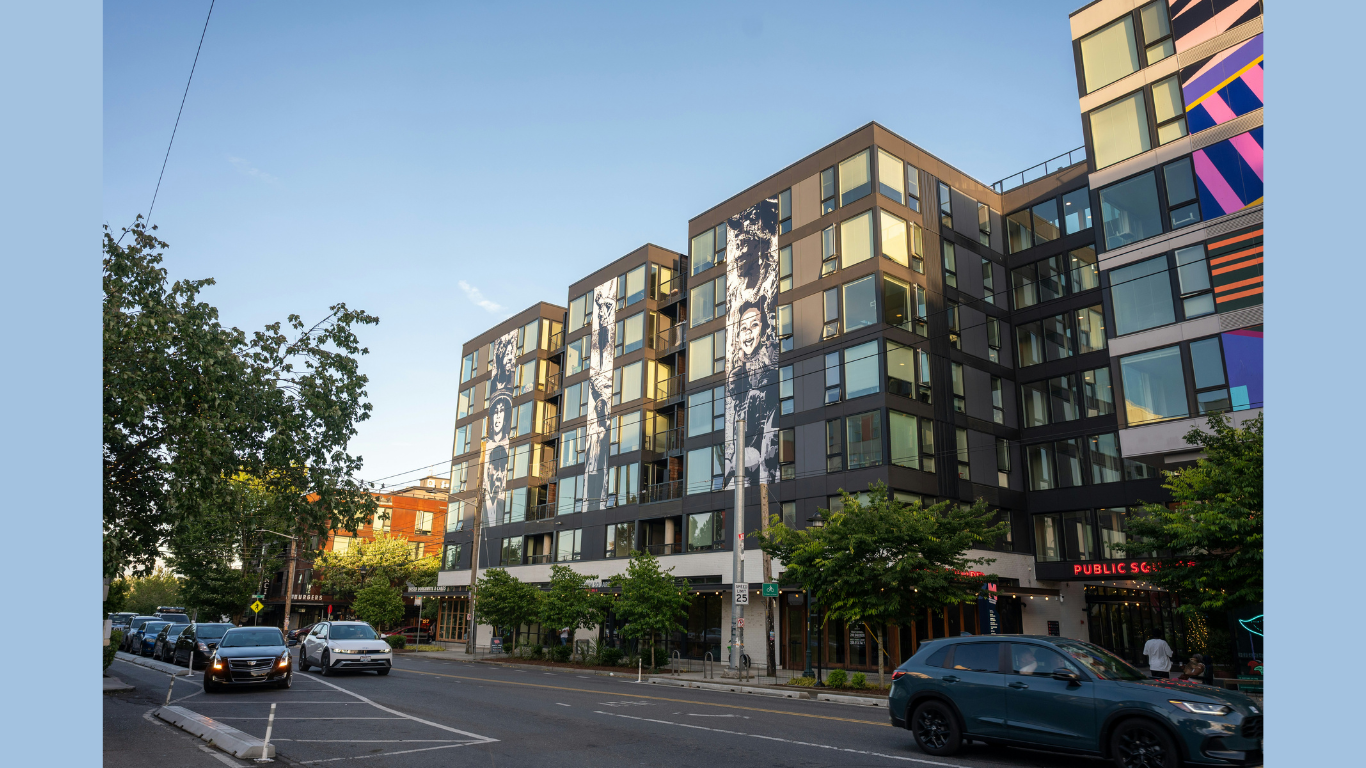
A connected home links key systems so that information moves with permission rather than staying isolated in separate devices. In Union Square Residences, integrated access, parcel updates, and facility booking can reduce repetitive tasks that drain attention. In practice, this means fewer back-and-forth messages, clearer instructions for visitors, and smoother handoffs during a busy day, all while keeping controls simple to use.
Faster, Safer Entry and Visitor Handling
Entry design influences safety and stress. Mobile credentials, timed guest passes, and consistent check-in procedures can reduce lost keys and prevent rushed decisions at the door. Clear activity logs help households confirm who arrived and when. During peak hours, predictable lift and lobby flow matters because crowding increases tension, especially for older adults, children, or anyone returning home exhausted.
Smarter Parcel and Delivery Flow
Deliveries are frequent in dense neighborhoods, and missed handoffs create extra trips and late pickups. A connected parcel system can send timely alerts, record storage times, and guide residents through collection without long front-desk queues. Better handoff coordination reduces hallway clutter and limits the strain of carrying heavy packages over longer distances. Caregivers and shift workers especially benefit when pickup timing is easier to manage.
Comfort Settings That Match Real Life
Temperature and lighting influence sleep quality, heart rate, and concentration. Automated scheduling can cool a bedroom before bedtime and warm it gradually before waking, without constant manual adjustments. Gradual dimming supports melatonin release, while brighter morning light helps regulate circadian rhythms. Room-by-room preferences also reduce friction in shared spaces, which matters when work, study, and rest overlap at home.
Energy Awareness Without Constant Effort
Utility costs rise when cooling systems run longer than necessary, yet tracking energy usage from memory rarely works. Simple dashboards can show spikes linked to laundry cycles, cooking, or afternoon heat. That feedback supports practical adjustments, such as shifting run times or reducing standby power draw overnight. Over weeks, small adjustments add up, and fewer hot nights also support steadier hydration and reduced morning fatigue.
Shared Amenities With Less Guesswork
Common areas support well-being only when access feels fair. A clear booking system reduces wasted trips, while visible guidelines limit disputes over time slots and cleanup responsibilities. Predictable turnover matters for gyms and workspaces, where crowding can increase infection risk and reduce air quality. Ventilation checks and surface supplies also help. Reserving quieter hours supports people with migraines, pregnancy nausea, or immune suppression, so activity stays possible without pushing symptoms after long work shifts. When expectations are consistent, residents are more likely to use shared spaces rather than avoid them.
Health Routines Supported by the Home
Home-based reminders can reinforce habits that protect well-being. Air sensors can flag rising levels of particles or carbon dioxide, prompting ventilation before headaches or throat irritation begin. Leak alerts help prevent dampness, which can worsen asthma symptoms. Night lighting paths reduces falls during bathroom trips, and noise alerts may catch smoke alarms, supporting safer sleep for children and older adults overnight. Gentle reminders can support medication timing, stretching breaks, or fluid intake, while privacy controls keep personal patterns from being shared beyond the household.
Privacy, Control, and Boundaries
Health comfort depends on clear boundaries. Residents need clear permissions, simple settings, and the option to switch features off without losing basic functions. Manual overrides matter during phone loss, low battery, or a system outage. Notification limits also protect attention, since frequent pings raise stress and disrupt sleep onset. Households should review who can access logs, cameras, and entry history.
Conclusion
Connected residences can reduce the small daily frictions that wear down sleep, focus, and mood in urban life. Coordinated entry, delivery management, indoor comfort, energy feedback, and better access to amenities can save valuable time every day. The healthiest setup keeps residents in control, with transparent privacy choices and simple overrides. With sensible settings, urban living feels safer, quieter, and easier to sustain.
Article received via mail