Automation has started to revolutionize various sectors, and the restaurant industry is also experiencing the changes. Tech will transform the way restaurants do business by 2026. While some of these advancements are observed today, the biggest changes that will improve service, efficiencies, and overall customer satisfaction remain on the horizon. By recognizing these changes, you can better predict the future as an owner and stay at the top of your game.
Streamlining Order Management
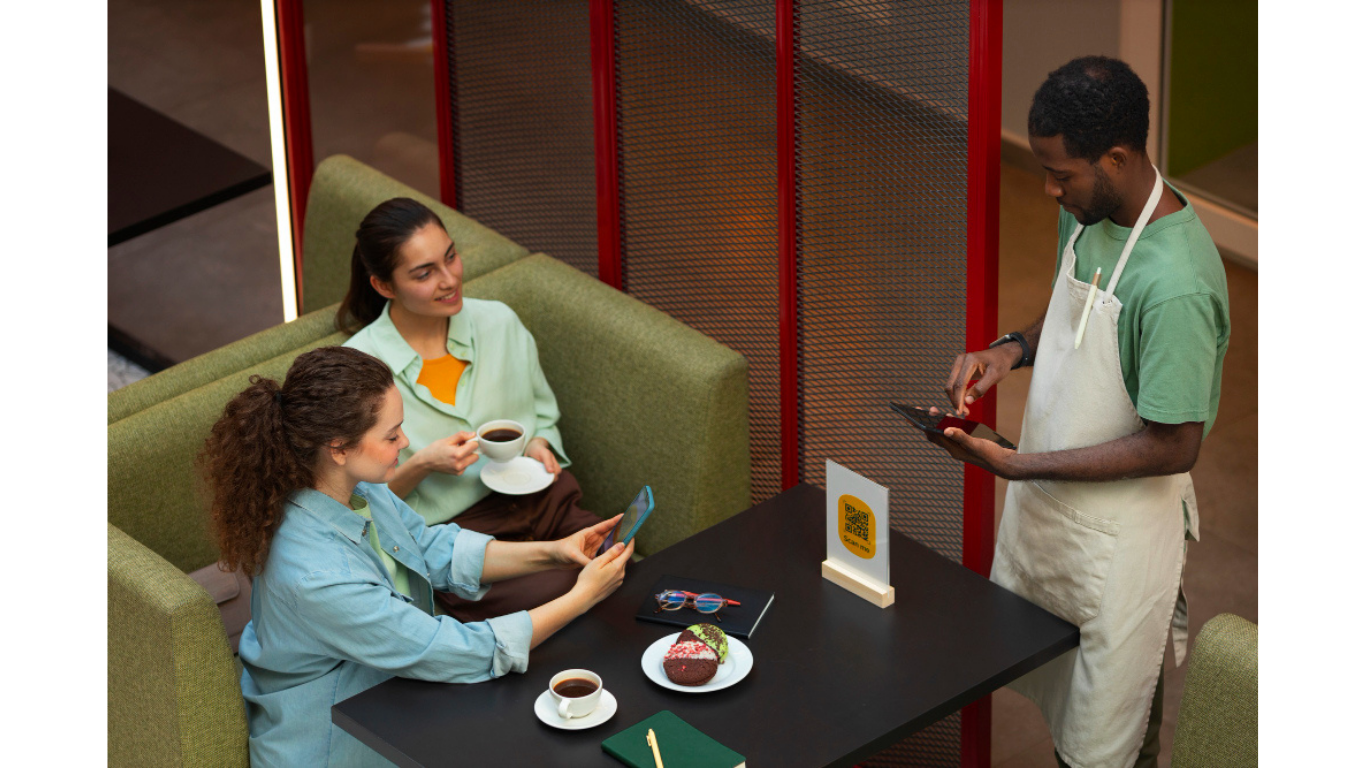
The most significant change with AI is in how businesses process orders. Orders are now processed more quickly and with more precision via automation. Digital menus and self-service kiosks are the future of restaurant automation; they reduce the waiting time and eliminate miscommunication. It provides staff with less menial work, and customers with a more fine-tuned control over their flow of dining. This can result in overall smoother operations.
Enhancing Kitchen Efficiency
Even the kitchen has been swept up in the techno-wave. Machine appliances assist in cooking food with a uniform taste. With the help of programmable ovens and robotic cooking arms, the chances of making culinary mistakes are reduced, and cooking meals becomes a time-saving process. These tools free chefs from repetitive tasks so they can spend more time on creative work. As a result, everyone enjoys speedier meal delivery and continued taste consistency.
Improving Inventory Management
Restaurateurs now rely on automation to track supplies more accurately. Smart storage monitors stock levels and predicts when reordering is necessary. This reduces waste and lowers operating costs. Staff no longer need to spend hours checking shelves or guessing what to order next. Efficient inventory control results in fresher ingredients and happier guests.
Boosting Customer Experience
Availability of automated systems has made the reservation and payment process easier. Online booking systems eliminate the need for double entry, saving staff and guests time in the process. The convenience factor is even more apparent with many contactless payment options available that also add safety, mainly during rush hours. The personalization features, where the algorithm carries recommendations based on previous visits, make each dining experience seem more intimate and curated.
Supporting Staff and Reducing Workload
Automation does not replace humans; rather facilitates them. AI allows staff to spend less time on dull, repetitive chores and more time interacting with guests. This contributes to greater job satisfaction and decreased burnout. Employees can concentrate on hospitality and ensuring that guests feel welcome and looked after. A happy workforce means happier customers and a reliable service.
Increasing Data-Driven Decisions
Digital tools help restaurants collect crucial operational insights. The manager can analyze data trends and understand which menu items are popular and what they need to improve. Customer feedback even drives menu adjustments and service improvements. Decisions that make use of accurate information will improve the business and the dining experience.
Adapting to Changing Consumer Preferences
The way we eat is evolving, and automation assists restaurants in adapting to the changes. Menu changes can be made quickly; for example, as new diets or trending foods emerge, they can be updated on the menu quickly, and AI can also assist in their preparation. Technology also facilitates mobile ordering and delivery options for in-home dining. Restaurants that adapt quickly can keep up with changing trends and fulfil multiple needs.
Ensuring Food Safety and Compliance
Automated systems are also essential in ensuring that rules are being followed and everything stays in accordance with the policies. Temperature monitors keep perishables from going bad. Smart cleaning schedules ensure that kitchens always adhere to the highest hygiene guidelines. Health regulations are more easily and consistently complied with, decreasing the chance of violations. These precautions safeguard not only your employees but also your customers from any hazards.
Lowering Costs and Increasing Profitability
While investing in automation is not cheap initially, long-term benefits soon appear. Simpler processes save labor costs and reduce waste. Energy-efficient equipment lowers bills, while fewer errors increase profits. Owners can focus more on improving the guest experience.
Looking Ahead: Continued Transformation
Automation in 2026 will help restaurants operate more efficiently. Beyond efficiency, safety, and accuracy, advancing technology will continue reshaping how restaurants adapt and serve better guest experiences. These changes create a brighter future for both staff and guests.
Article received via email