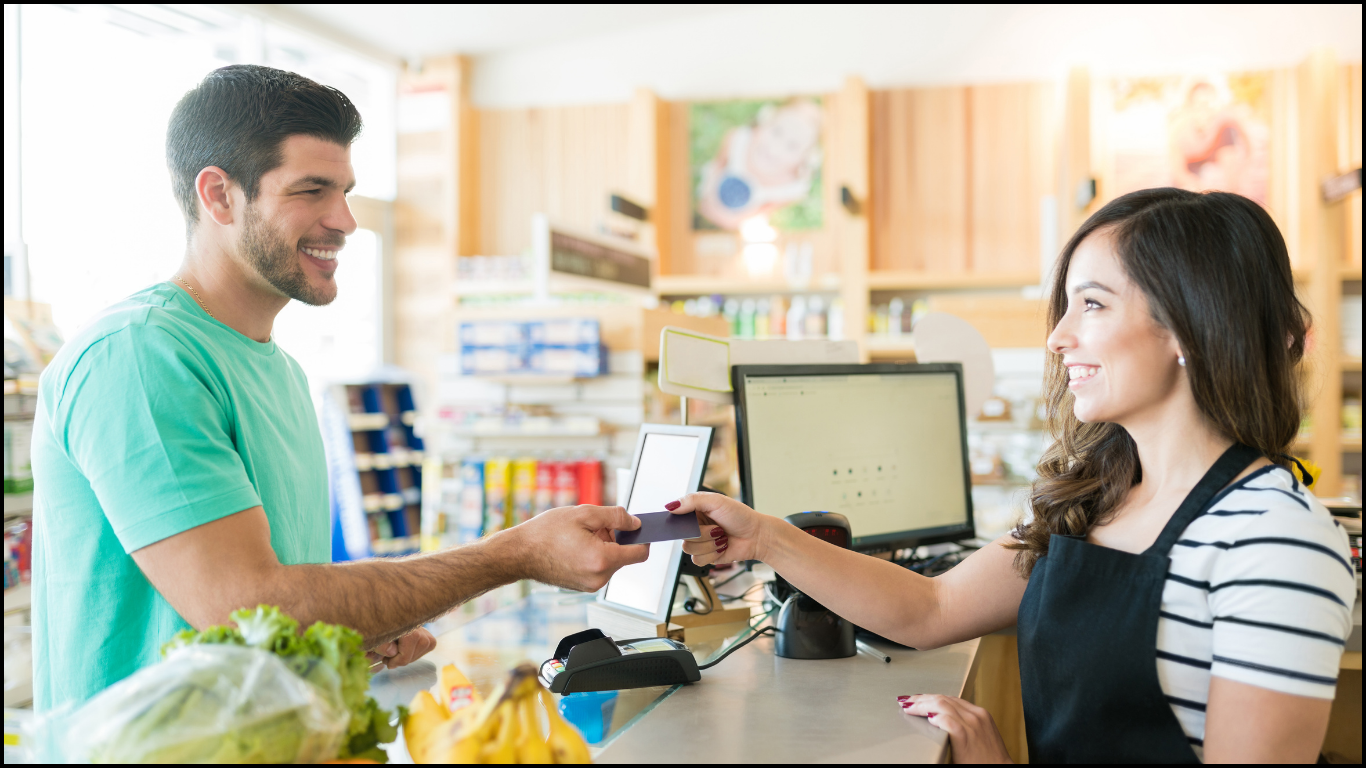
A checkout line is more than a service detail. It is the final filter between a shopper who wants to buy and a sale that happens. Most stores track traffic and revenue but overlook the minutes between them, where purchase intent can disappear. Understanding what creates long lines, measuring waiting accurately, and improving operations can shorten checkout times without automatically adding headcount.
Why Do Checkout Wait Times Cost Retailers More Than They Think?
Waiting is a revenue event, not simply an inconvenience. Every extra minute at the register can increase the chance that a shopper abandons a purchase, leaves the store, or chooses a faster competitor. Because lost sales rarely appear in reporting, the impact can remain invisible while accumulating during busy periods.
Many stores cannot see who is waiting, how long they have waited, or what service they need. Platforms such as Booxi provide a retail queue management system that brings walk-ins, wait times, and staff availability into one view. This helps managers respond during busy periods rather than reviewing problems afterward.
What Happens to Shoppers Who Abandon the Line?
Checkout abandonment follows a predictable pattern. A shopper joins the line, judges its length, estimates the wait, and decides whether the purchase is worth the delay. Once the calculation changes, the shopper may return the product and leave.
How Do Wait Times Affect Basket Size and Repeat Visits?
Long lines can reduce basket size before shoppers reach the register. Customers expecting a slow checkout may stop adding discretionary products or skip additional aisles. A store that feels consistently slow may also become a place shoppers visit only when they have extra time. Reducing friction protects both immediate spending.
What Actually Creates Long Checkout Lines in Stores?
Lines are often a capacity problem disguised as a staffing problem. Demand arrives in bursts while service capacity remains fixed. When demand exceeds capacity, the difference appears as a growing queue. Identifying when that gap occurs is the first step toward fixing it.
Which Peak-Hour Traffic Patterns Break Store Capacity?
Retail traffic is rarely evenly distributed. Lunch periods, evenings, weekends, promotions, and holidays can concentrate large volumes into short windows. During these periods, even a small delay can affect everyone behind one complex transaction.
How Can Retailers Measure Checkout Wait Times Accurately?
Retailers cannot reliably shorten a wait they do not measure. Transaction counts and traffic show activity, but not the delay between arrival and service. Accurate measurement turns waiting into an operational metric.
Which Wait Time Metrics Matter Most?
Four metrics provide useful visibility:
- Average wait time by hour
- Peak wait time
- Queue abandonment rate
- Service time for different interaction types
Tracking these numbers by store and time period reveals where capacity breaks and which services create delays.
How Do You Track Walk-Ins and Booked Visits in One View?
Fragmented tracking hides overall demand. When walk-ins and appointments are recorded separately, managers lack a complete picture. A unified queue view can show who is waiting, what they need, and which staff members are available.
Which Operational Levers Actually Shorten Checkout Waits?
Shorter waits come from matching demand with available service capacity rather than simply asking employees to work faster.
How Does a Virtual Queue Free Shoppers From Standing in Line?
A virtual queue separates waiting from the physical line. Shoppers can join through a phone, kiosk, or QR code, receive an estimated wait, and continue browsing until notified. The experience becomes less restrictive.
How Should Staff Be Assigned in Real Time?
Real-time assignment lets managers respond to actual conditions. When they can see the queue and available employees, staff can move toward checkout when demand increases and return to other duties when the line clears.
What Shorter Checkout Waits Change for Store Performance
Reducing checkout wait times is a conversion strategy, not merely a customer-service improvement. Measuring waits, redistributing demand, freeing shoppers from physical lines, and assigning staff according to live conditions address the gap between arrival and service.
Conclusion
The practical starting point for improvement is accurate measurement. Once retailers understand average and peak waits, abandonment, and service times, they can make targeted decisions. A retail queue management system can turn that information into action, improving checkout performance efficiently today.
Article received via email