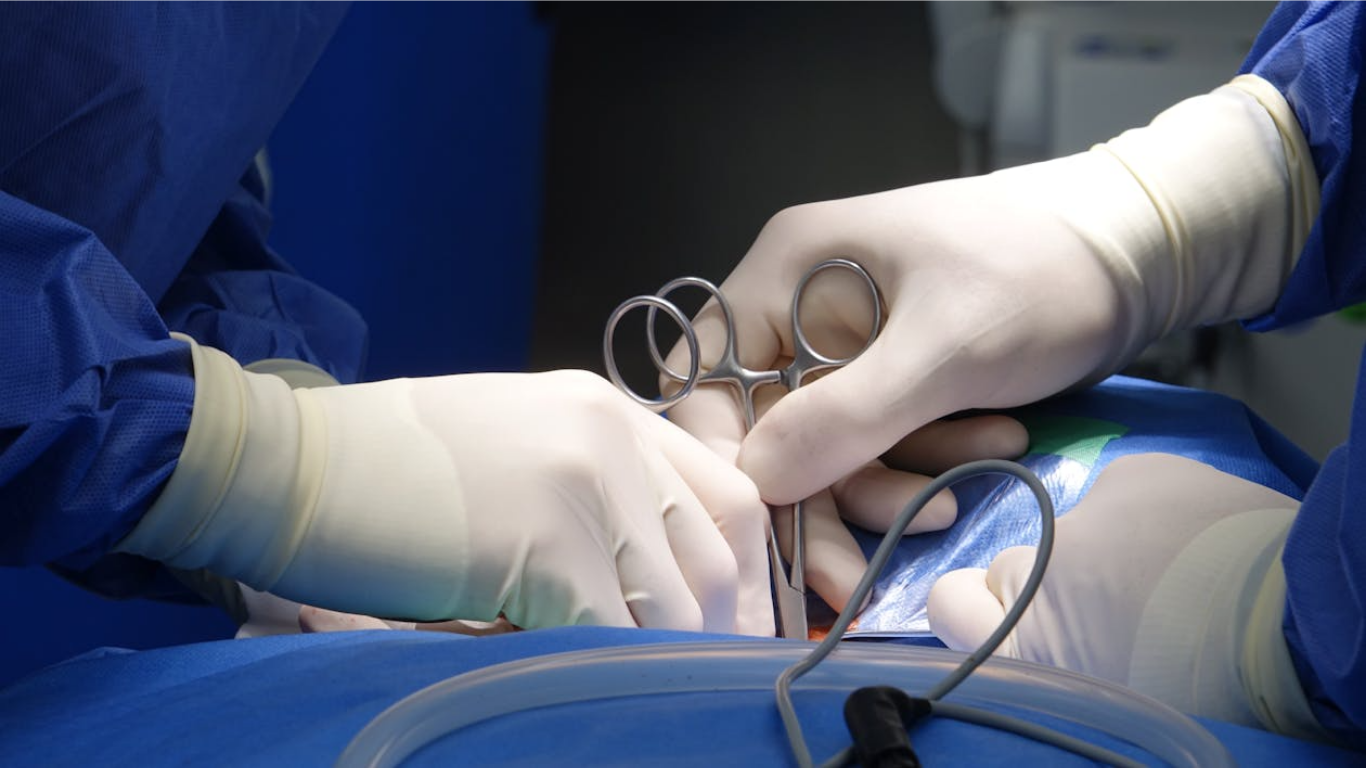
Specialized surgery services are changing the way patients receive care across the globe. Hospitals are moving away from general models to focus on specific medical fields.
This shift helps facilities provide better results as they manage their resources more effectively. Focusing on niche areas allows surgeons to perfect their skills in complex operations. These changes are a major factor in the steady growth of the medical industry today.
Modern Shifts In Surgical Care
Patient demand is a huge driver for the growth of specialized surgery centers across the nation. People now look for surgeons who have deep experience in one area rather than a wide range of skills.
Clinics are responding to this need by investing in tools for targeted operations. These investments allow for more precise work and shorter recovery times for everyone involved. The result is a system where patients get the exact help they need without long wait times or extra visits.
Medical facilities that focus on specific procedures often see higher profit margins. By streamlining their services, they can reduce waste and focus their budget on the best staff.
Specialized Options For Common Conditions
Healthcare providers now focus on niche treatments to improve the lives of their patients. We see a rising number of women getting Uterine fibroids treatment in specialized centers since these procedures are now less invasive. This shift allows patients to return to their daily lives much faster than before.
Treating common health issues with specialized tools reduces the risk of long-term problems. Patients feel more confident when they know their doctor performs the same procedure every day.
The rise of these clinics provides patients with more choices for their medical care. Instead of relying on a single large hospital, people can find experts for their specific health needs.
Efficiency Through Minimally Invasive Techniques
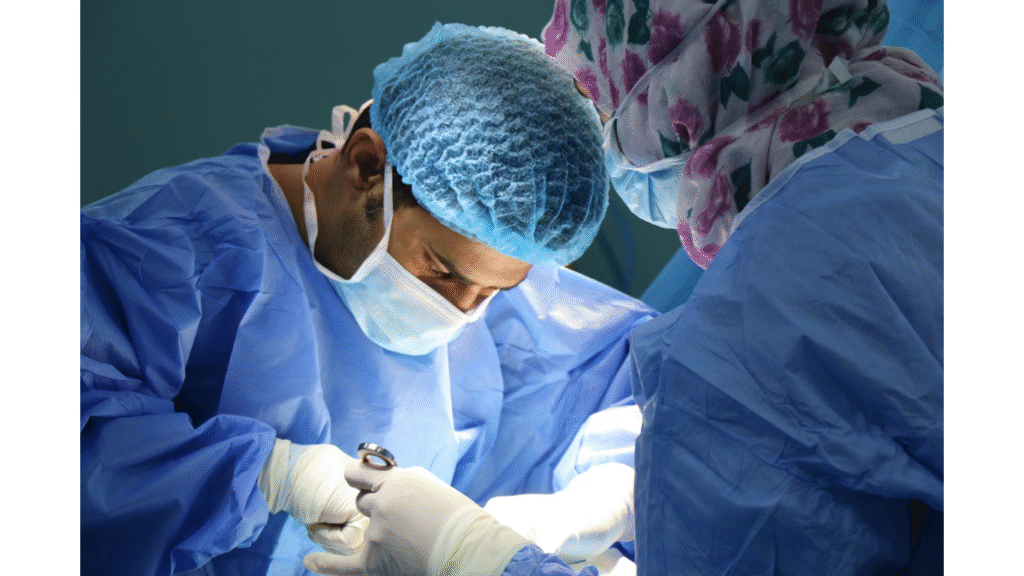
Specialized centers lead the way in using new ways to perform surgery with tiny incisions. One recent study found that the use of laparoscopic methods grew from 45.1 to 75.5 percent and led to a 3.51-day reduction in the average time spent in a hospital bed.
Patients experience less pain and faster recovery compared to traditional open procedures.
These benefits allow individuals to return to their normal daily routines much sooner. Hospitals can improve efficiency by freeing up beds more quickly for other kinds of patients. Minimally invasive techniques improve both patient outcomes and healthcare system performance.
Advancing Precision With Robotic Systems
Technology plays a massive role in how specialized surgery drives growth in the medical field. A recent article mentioned that AI-assisted robotic tools led to a 25 percent reduction in operative time and a 30 percent decrease in complications.
These tools are becoming more common in top-tier clinics that invest over $2,000,000 in new hardware.
These systems allow surgeons to perform complex procedures with greater accuracy and control. Improved visualization and steady instrument movement reduce the margin for human error. Patients often benefit from shorter hospital stays and quicker recovery times.
As adoption grows, training programs are evolving to help medical professionals use this technology effectively.
Managing Risks And Costs
Even with the best tech, specialized centers must keep a close eye on patient safety, recovery, and expenses.
One report on hip fracture surgery noted that surgical site infections happened in only 0.4 percent of patients, but created high costs for the system. Preventing issues after a procedure is a major focus for high-performing surgical teams.
The Future Of Specialized Care
The trend toward specialized surgery shows no signs of slowing down in the coming years. Facilities will likely keep investing in niche markets to stay competitive and provide top-tier help. This focus helps the industry expand and keeps the patient at the center of every choice.
Several factors contribute to the ongoing growth of this medical sector:
- Increased investment in specialized training for surgeons
- Faster adoption of new surgical tools and AI software
- Higher patient satisfaction rates from better recovery times
- Lower general costs for insurance companies and hospital networks
Specialized care is not just about the surgery but the whole experience for the patient. As more centers adopt these models, the quality of care will rise for everyone, a true win for the healthcare industry.
This shift leads to shorter hospital stays and fewer complications for patients. As the medical world continues to evolve, the move toward specialization will remain a key part of how we deliver health services. The future looks bright for patients who need targeted care.
Article received via email