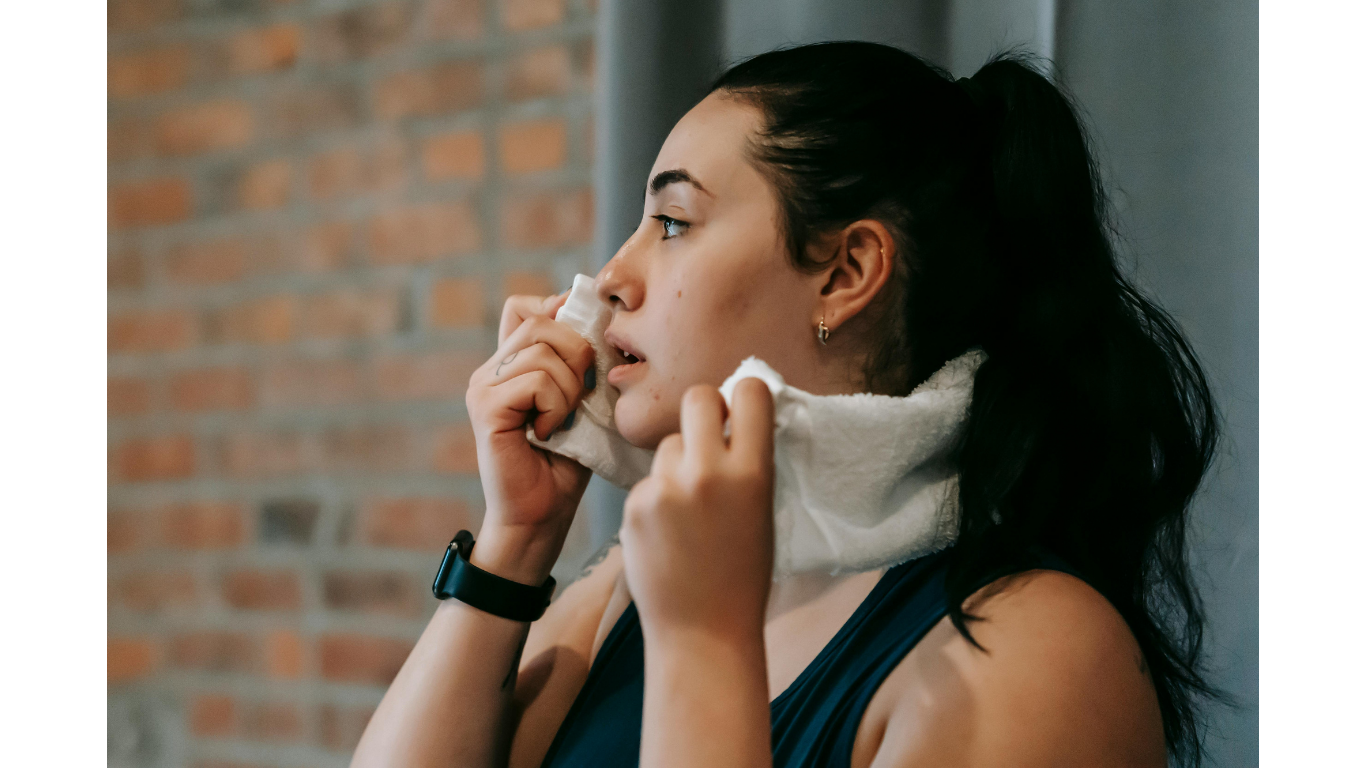
Excessive sweating at work is more than a comfort issue. It can affect how we dress, how confident we feel in meetings, and how comfortable we are during a long day of commuting, presenting, typing, or speaking with clients. Even when the work itself is manageable, the distraction of feeling sweaty can make the day feel harder than it needs to be.
The good news is that this is often manageable with the right habits and a few practical adjustments. The goal is to make work feel more comfortable, more professional, and less stressful.
Why Sweating Feels Worse at Work
At home, sweating may just feel annoying. At work, it can feel more visible and more disruptive. It can show up as damp underarms before a meeting, sweaty hands during introductions, discomfort during a commute, or the need to check clothing throughout the day.
That is why the impact often goes beyond physical discomfort. It can affect focus, confidence, and how prepared we feel in professional situations. Research shows excessive sweating can affect emotional well-being, daily activities, and work life.
Start With the Parts of the Day You Can Control
One of the best ways to manage sweating at work is to look at the full workday, not just the moment sweat becomes noticeable. Often, the problem starts earlier with a hot commute, rushed morning, heavy clothing, or stress before the day even begins.
A few small changes can help:
- Give yourself time to cool down after commuting
- Choose clothes that feel lighter and easier to wear all day
- Keep water nearby at your desk
- Avoid too many layers if your office runs warm
- Plan ahead for presentation days or client meetings
These steps may seem basic, but they can reduce the buildup that makes sweating feel worse by mid-morning.
Choose Work Clothes That Make the Day Easier
Clothing can make a bigger difference than many people expect. Tight fits, thick fabrics, and materials that trap heat can make us feel warmer and less comfortable throughout the day. Breathable clothes can help us feel more in control and less distracted.
Helpful choices include:
- Wear breathable fabrics when possible
- Choose looser fits on high-pressure days
- Keep an extra shirt or undershirt nearby
- Bring extra socks if foot sweating is part of the issue
- Use colors or patterns that make sweat marks less obvious
This is not about hiding. It is about making the workday smoother and reducing one more thing to worry about.
Keep a Small Backup Kit at Work
A simple backup kit can take a lot of pressure off. When we know we have what we need, sweating tends to feel more manageable.
A useful work kit may include:
- Antiperspirant
- Facial tissues or soft wipes
- A clean shirt, blouse, or undershirt
- Extra socks
- Blotting sheets
This is especially helpful for people who move between meetings or work in client-facing roles.
Use the Right Product for Sweat, Not Just Odor
Many people reach for deodorant first, but deodorant mainly helps with odor. If wetness is the main issue, antiperspirant is usually the more useful option because it is designed to reduce sweat itself. The American Academy of Dermatology recommends antiperspirants as a basic self-care step for people dealing with excessive sweating.
It also helps to use it properly. Antiperspirant often works best when applied to dry skin at night rather than only in the morning. That gives it more time to work before the next day starts. A stronger routine can make a noticeable difference during work hours, especially for underarm sweating.
Pay Attention to Work Triggers
Sweating at work is not always just about room temperature. It can also be tied to timing, pressure, and routine. For some people, the biggest trigger is a crowded commute. For others, it is coffee before a presentation, stress before a call, or wearing the wrong outfit on a busy day.
It can help to notice patterns such as:
- Sweating more before meetings
- Feeling worse after caffeine
- Overheating during travel
- Increased sweating on high-stress days
Know When Basic Steps Are Not Enough
For many people, work-focused habits and product changes can help a lot. But if sweating keeps affecting comfort, confidence, clothing choices, or day-to-day performance, it may be worth speaking with a doctor or dermatologist.
The main point is simple: sweating at work can be managed. With a better routine, smarter clothing choices, a few backup supplies, and more awareness of triggers, we can make the workday feel easier and less distracting overall every single day.
Article received via email